Introduction
Laser Engraving is gaining immense popularity in the artistic and product market. Because of its faster customization ability, the demand for laser engraver has increased over the years.
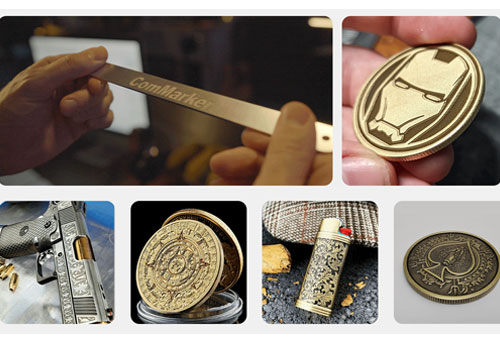
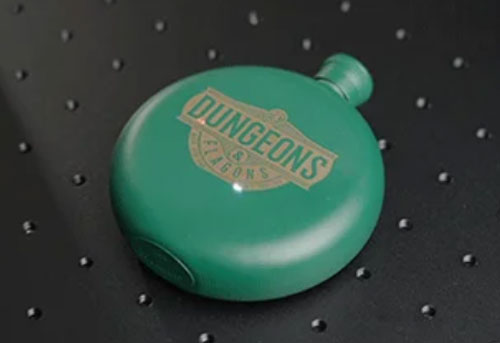
Various laser engraving machines help in carving a precise, delicate, custom pattern into a range of materials such as metal, glass, fabric, wood, and plastic.
However, laser marking machines, like any other machine, come with their advantages and disadvantages. This article by ComMarker gives you a detailed insight into the working principle, its benefits, and its disadvantages, and it helps you understand better.
What Is Laser Engraving?
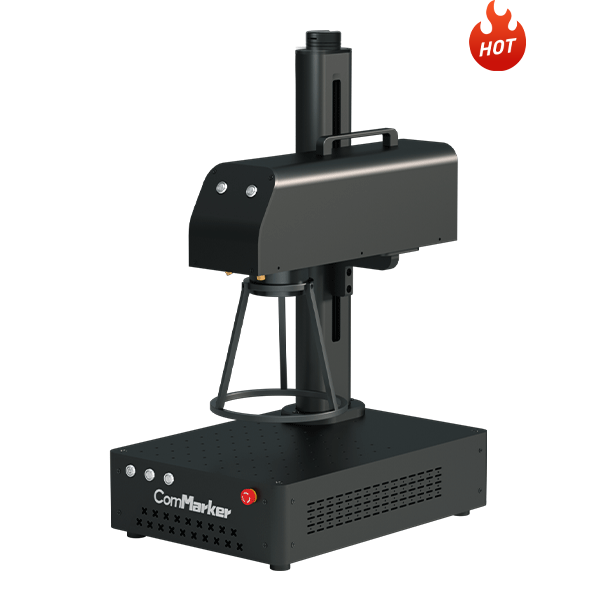
Laser engraving technology uses a strong, focused laser beam to precisely engrave designs and patterns into various materials. However, this process engraves really complex types of designs, patterns, images, and text into the surface of the material. This ability makes it quite popular among retailers and sellers.
Best laser engraver for small business not only benefits retailers in making products, but it also has become one of the most crucial parts of the manufacturing industry to carve details in electronic products.
Brief History Of Laser Engraving
Every new story’s beginning comes from the ending of something. Same as before laser engraving, people used manual engraving techniques. In manual engraving, people use a sharp tool to carve markings and details in the material.
For instance, in the beginning, years of life, cavemen used stones as an engraving tool. According to statistics, the most ancient manually engraved stones were almost 500 centuries ago.
However, the process of manual engraving started evolving with the rise of technology. Albert Einstein was the first person who gave the idea of inventing LASER in 1916. This idea got optimized in the year of the 1950s.
Theodore Maiman became the first person to invent the very first optical laser in the world. Golden Gould was then known to be the first person who successfully invented the laser light.
After that, in 1965, Western Electrics invented the first laser drilling machine. Until 1967, the laser machine was, in real terms, used for engraving purposes after the invention of the CO₂ laser.
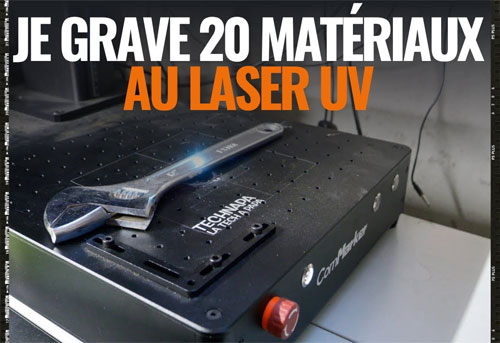
The ultimate revolution in technology advanced the laser machines and invented specific machines for engraving, which included MOPA and UV laser markers.
Disadvantages Of A Laser Engraving Machine
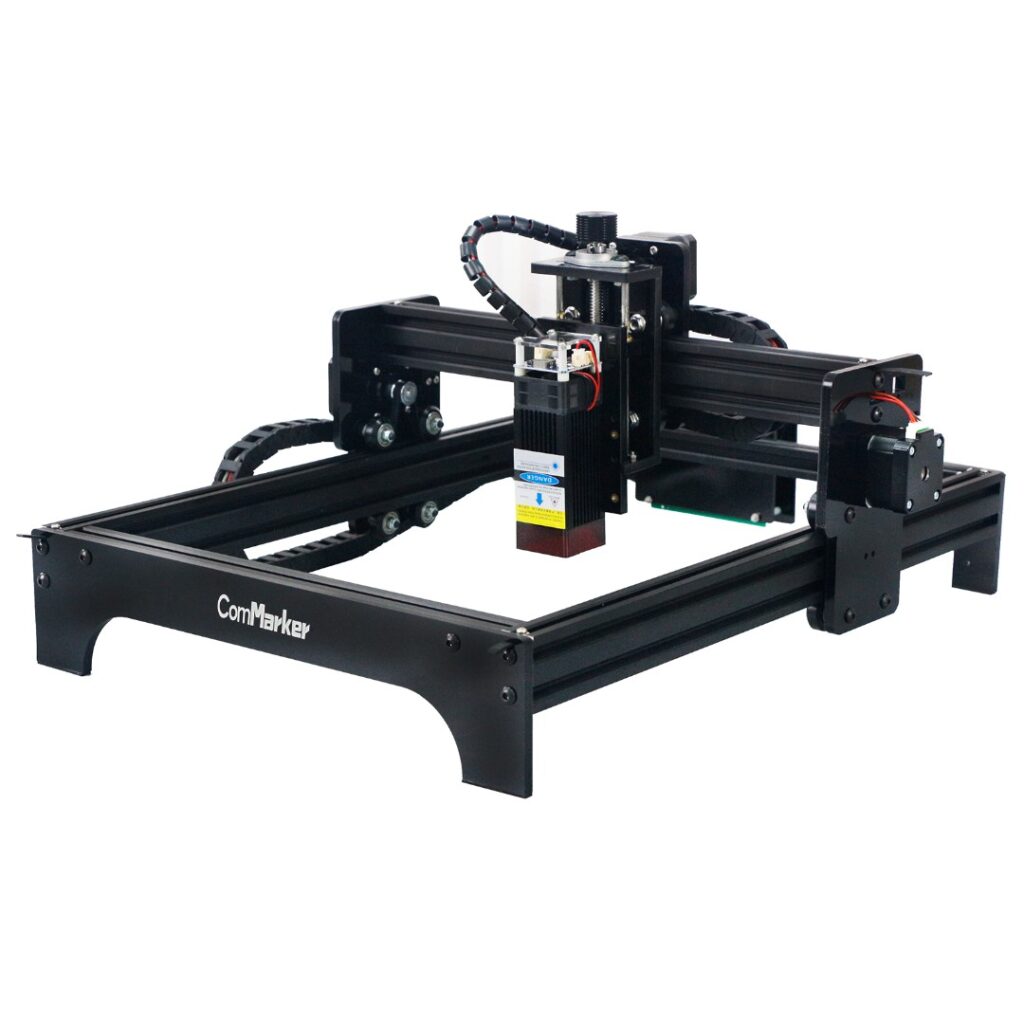
● Cost
The primary drawback of professional-grade laser engraving machines is their high cost, making them inaccessible for many users and businesses. However, consumer-grade machines have become much more affordable, with some priced at just over $100.
● Maintenance
Generally speaking, CO2 laser engraving machines require maintenance, such as cleaning the laser optics and replacing old parts. In contrast, fiber laser machines require minimal upkeep, which is why they’ve become the mainstream choice for industrial applications.
● Safety
Another crucial disadvantage of these laser engraving devices is the maintenance of safety. It needs a high level of safety guidelines to make it work safely. Because of its highly focused and powerful laser, it can harm anyone badly.
● Material Limitation
Laser engraving machines are considered versatile. However, some material does not work well with it. For instance, some types of plastics and some reflective surface materials may cause challenges to etch precisely.
How to Avoid the Disadvantages of Laser Engraving
While laser engraving is powerful, it comes with challenges like high upfront costs, maintenance needs, and safety risks. Here is how to navigate those hurdles effectively:
● Choose the Right Machine for Your Budget
While high-end laser engraving machines can be expensive, you can avoid overspending by selecting a machine that matches your actual needs. For beginners or small businesses, entry-level or consumer-grade machines offer excellent value. Consider starting small and upgrading as your production demands grow.
● Follow a Regular Maintenance Routine
To minimize maintenance issues, establish a consistent cleaning and inspection schedule. For CO₂ machines, regularly clean the lenses and mirrors, and replace worn components when needed.
Choosing a more durable system such as a fiber laser can also reduce long-term maintenance requirements.
● Invest in a Safety Setup
Safety should never be an afterthought. To protect yourself and your workspace:
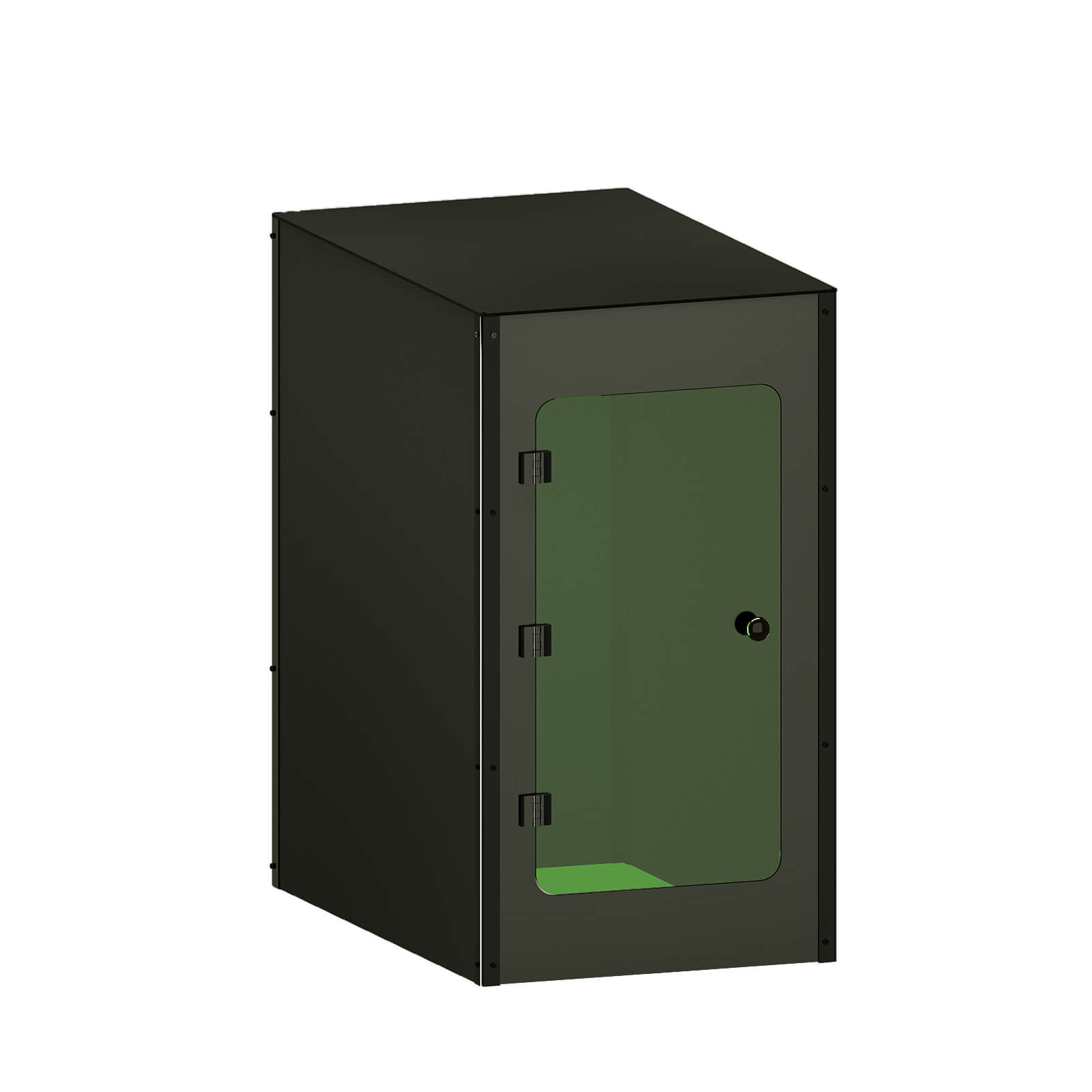
1. Use an Enclosure: House your laser in a dedicated enclosure to contain stray reflections.
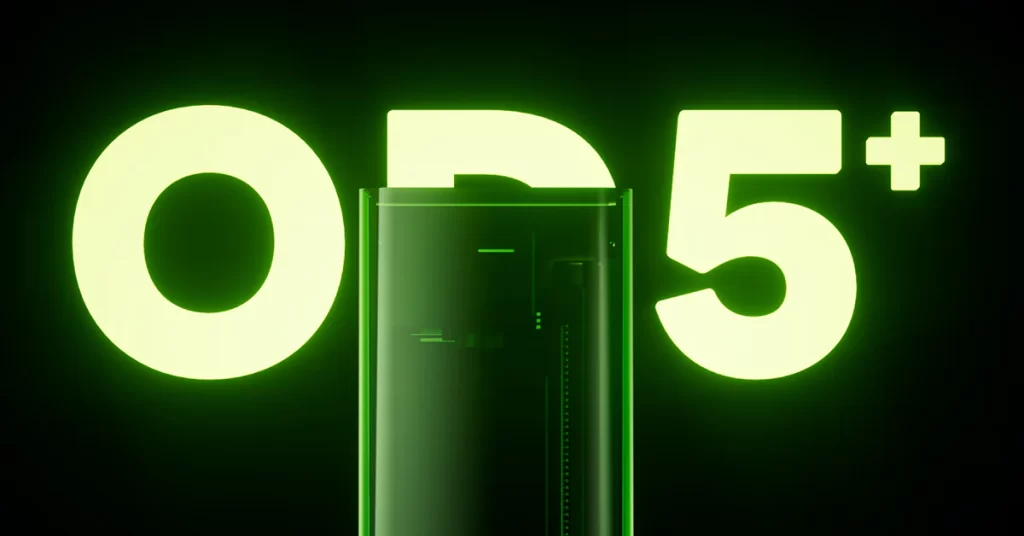
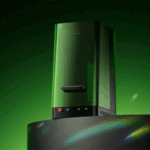
2. Opt for Built-in Protection: Consider specialized hardware like the ComMarker Omni X UV. It features a specialized OD5 plastic cover designed to block 99.999% of harmful laser light.
3. Wear Eye Protection: Even with an enclosure, always wear laser-safe protective glasses matched to your machine’s wavelength.
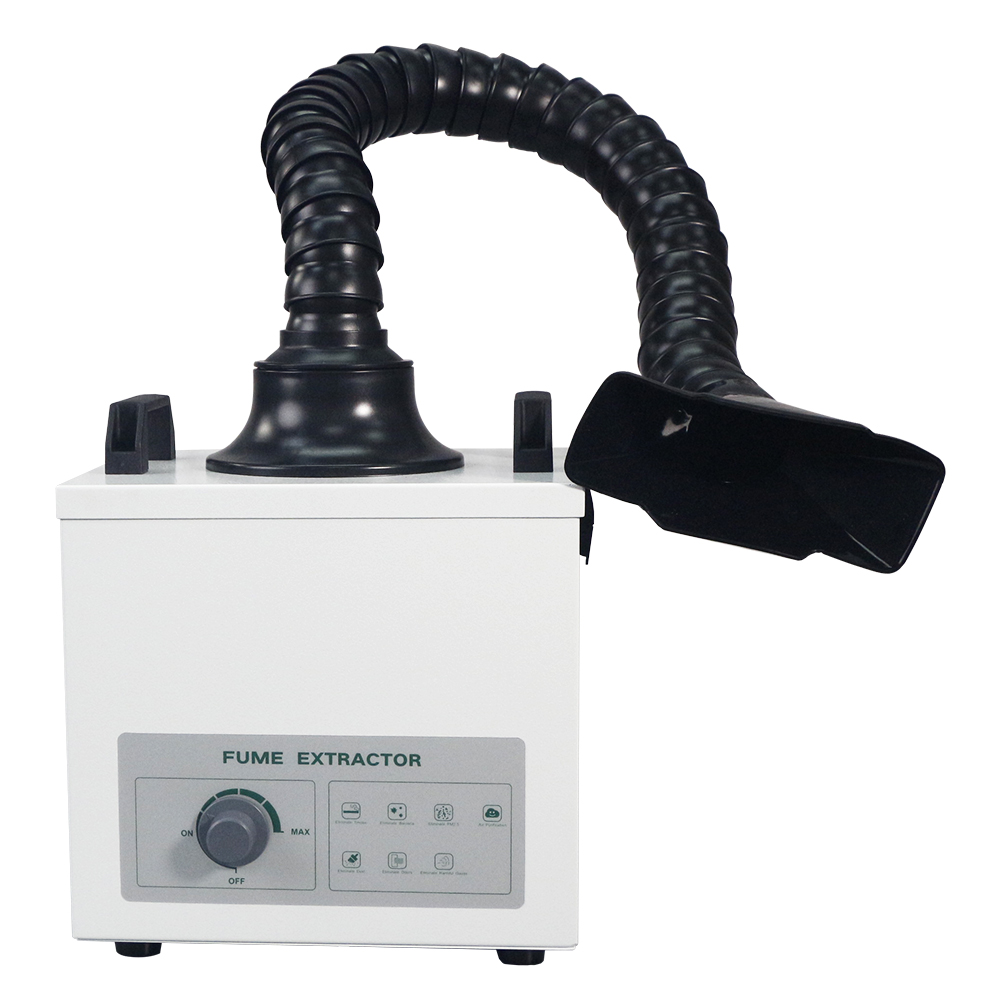
4. Install a Fume Extractor: Use a high-quality extractor to remove dust and toxic fumes, protecting your lungs and keeping your workspace clean.
● Run Material Tests Before Production
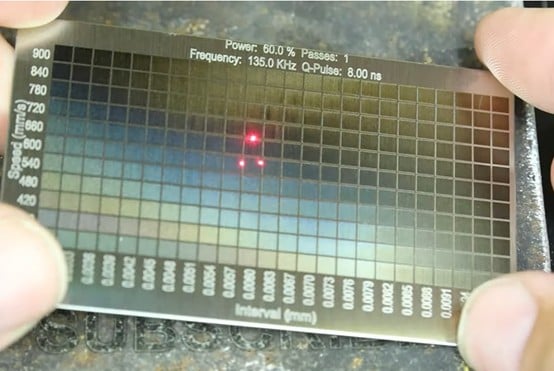
Not every material reacts the same way to a laser. To avoid wasting expensive stock, always run a test honeycomb or a small sample script first. Fine-tune your power, speed, and frequency settings to find the best setting.
This is especially critical when working with tricky materials like reflective metals or heat-sensitive plastics.
Working Principle Of Laser Engraving
Laser engraving works with a highly focused laser light precisely pointed on the surface of the material and removes the part of the material, and leaves deep marks. However, the process does involve quite a few steps. Some of them include:
● Laser Source
The laser engraving machine has a laser source that acts as a heart for it. This source emits a constant light beam. Laser engravers use the two most common kinds of laser, which include fiber lasers,UV lasers and CO₂ lasers.
Fiber laser engravers are considered best for engraving on materials like plastics and metals (metal laser engraver), while CO₂ lasers work best for acrylics, leather, and wood.
● Focusing Optics
It contains a highly focused optic that focuses and directs the beam of light set on the surface. This optic ensures a strong and precise energy emission.
● Material Interaction
The highly focused beam falls on the material. On its interaction, it heats the surface to such a point that it starts melting or vaporizing depending on the material’s nature. The material is removed in a controlled way which creates a design or pattern.
● Computer Control(lightburn software)
Best fiber laser engraver has a computer-controlled system. The system requires a digital design file as input. The software then translates the digital design and sends instructions to the laser. However, this controlled laser system gives a highly complex and precise design.
Conclusion
Laser engraves allow almost all types of users, industries, and manufacturers to use them for their purposes. They offer various advantages as compared to traditional engraving machines. These laser engraves provide efficiency, precision, flexibility, and versatility in their work.
These machines allow a wide range of materials to work on and consider relatively cheaper options than others. However, these laser engraves also come with drawbacks.
They require high maintenance, high price, and need more safety guidelines. Apart from these, laser engravers are still the best option for customizing engraving products that no other engraver can fulfill.
Are you looking for budget-friendly laser marking machines or fiber laser engravers? Look no further than ComMarker! We provide comprehensive engraving and marking solutions for start-ups or small factories. Contact us for more details.
Related Articles:
 Innovating Industry Standards with the ComMarker Q8 Handheld Laser Marking Machine
 What is the Difference Between Laser Engraving and Machine Engraving?
 Why the ComMarker Titan 1 Is the Best MOPA Fiber Laser Engraver for Professionals in 2025
 ComMarker Omni X UV Laser Features & Price: Is it Right for You?