PET is a very common plastic in modern life.
While PET can be laser marked, getting clean results requires understanding both the material and the laser system.
This guide explains what actually works in real-world PET marking, which laser types are suitable, and what you should expect from each option.
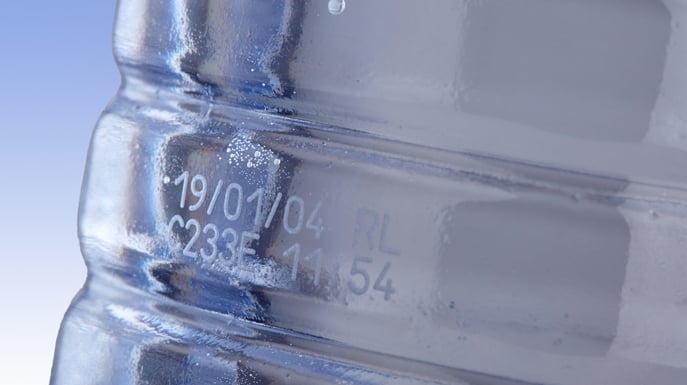
What is PET? Is PET laser engravable?
PET (Polyethylene Terephthalate) is a thermoplastic polyester widely used in packaging, films, and industrial components [1].
While PET can be laser marked. It does not usually give a clean vaporized engraving result. PET is more sensitive to heat, so the final result depends heavily on the laser wavelength and how well the process is controlled [1][2].
Best laser engraver for PET plastic
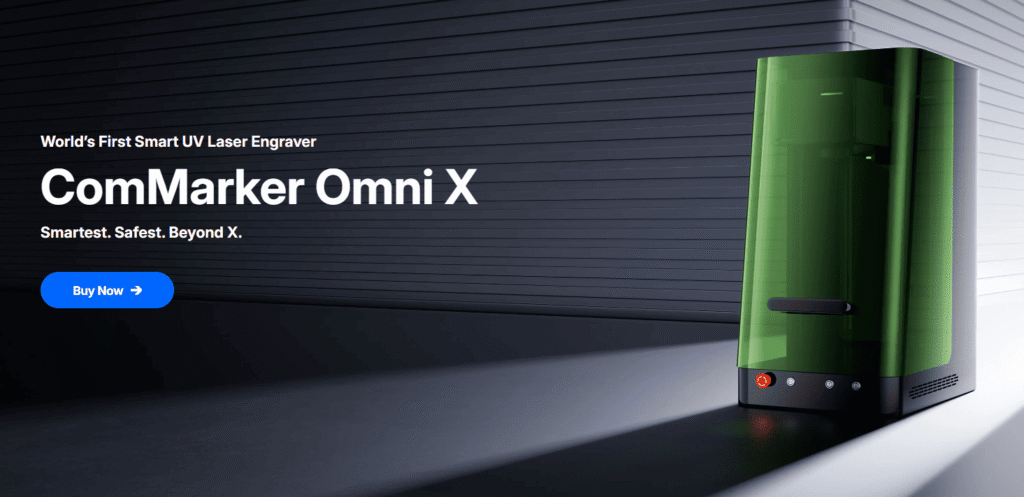
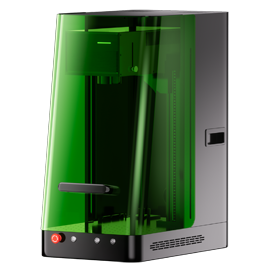
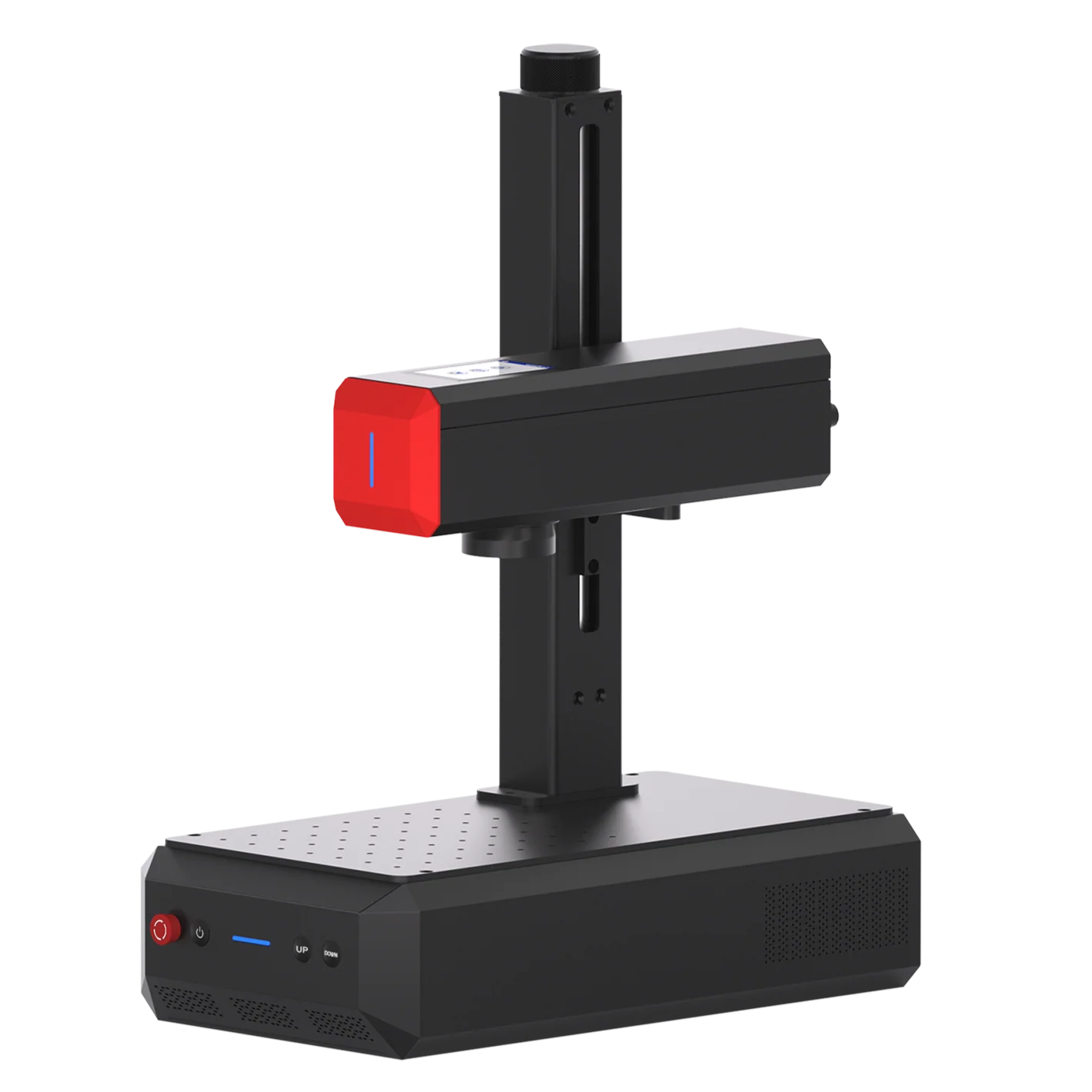
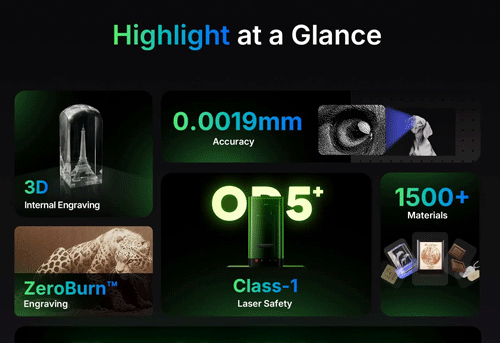
ComMarker Omni X UV Laser
Best for precision and clean results
UV lasers offer more precise energy delivery and reduced thermal spread, making them one of the most effective solutions for high-quality PET marking.[1]
Why choose ComMarker Omni X UV Laser Engraver for Plastic PET engraving:
• Cold marking process reduces heat damage
• 16K HD Fine detail is easier to control
• Produces cleaner marks with less melting
Best for: logos, QR codes, small text, product identification , heat-sensitive plastic parts
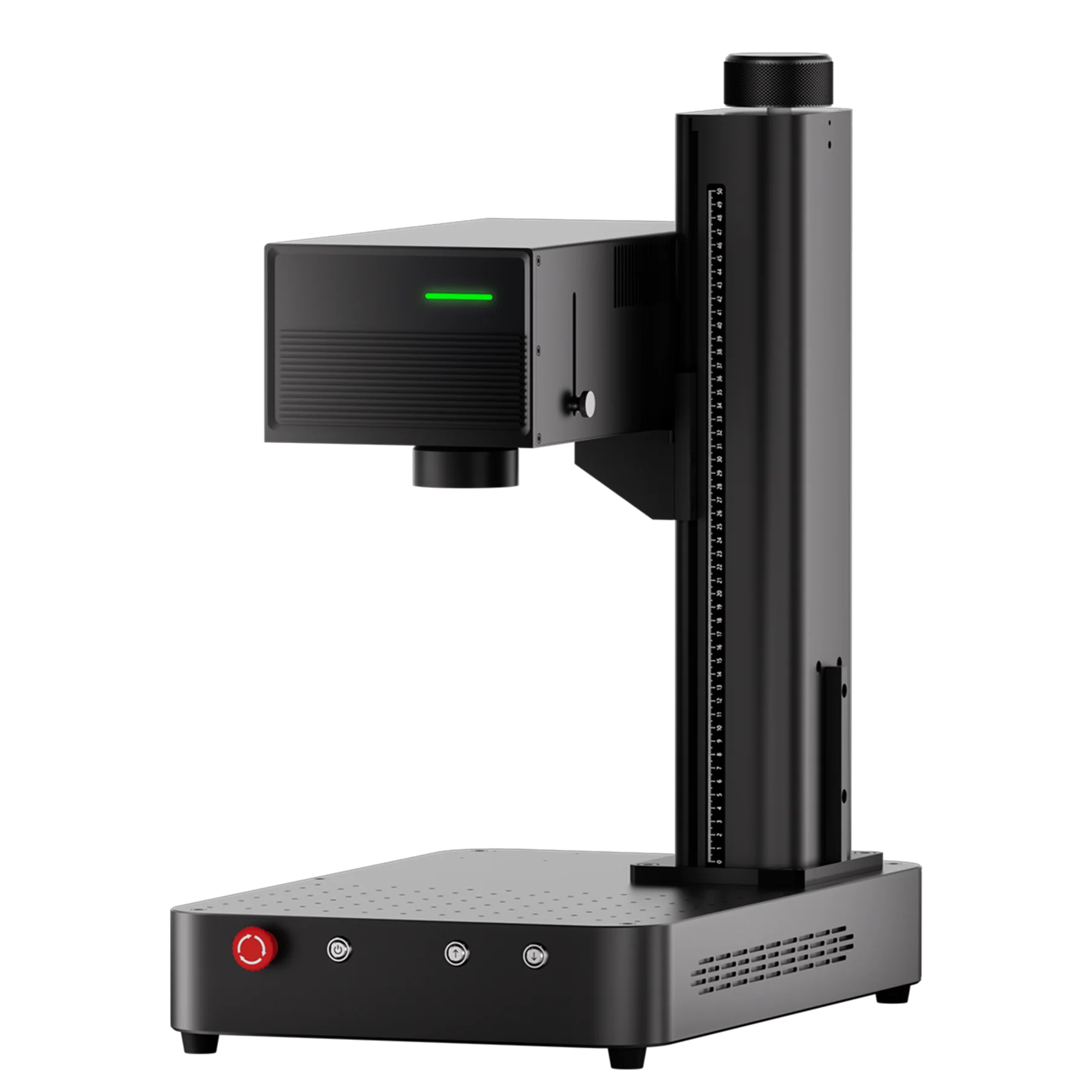
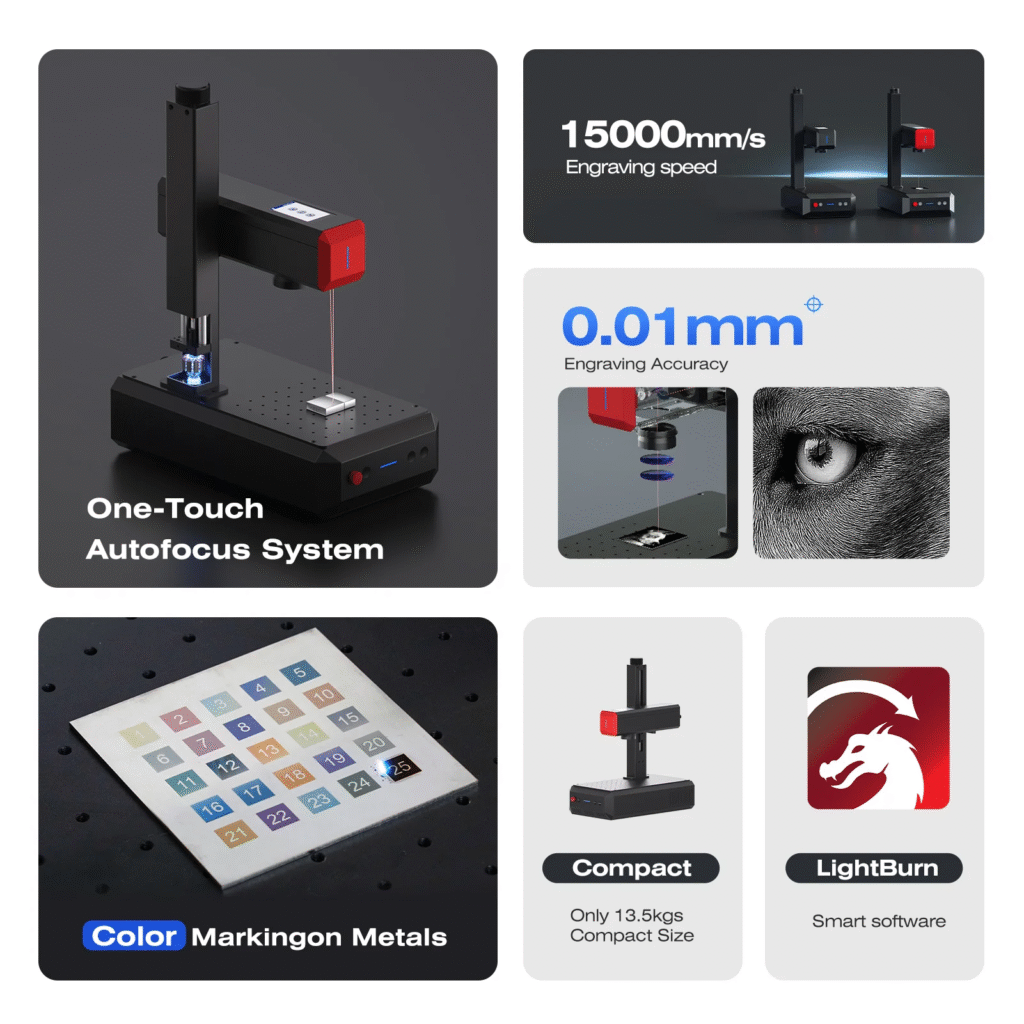
ComMarker B6 MOPA Fiber Laser Engraver
Best for industrial marking on darker PET materials
Fiber laser systems (1064 nm wavelength) can effectively process PET for surface modification and marking.[2]
Why choose ComMarker B6 MOPA fiber laser for PET:
• 15000 mm/s fast engraving speed
• Great for industrial marking workflows
Limitations:
• Requires careful settings adjustment
• Not ideal for transparent PET. You can also use laser-additive PET materials for better result.
Can CO₂ Laser Engrave PET Plastic?
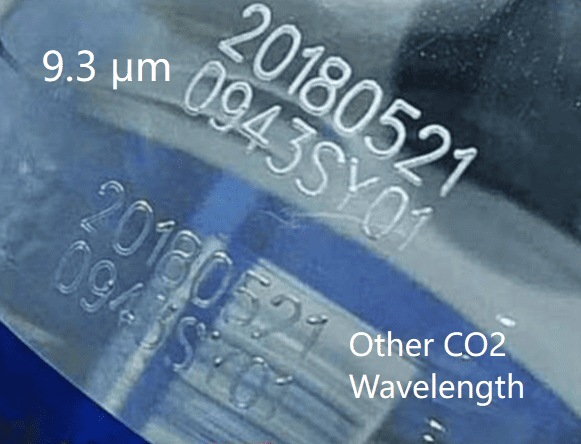
CO₂ lasers can process PET, but the result is typically thermal melting or surface modification rather than clean engraving [3]. However, different CO₂ wavelengths can produce noticeably different surface quality and consistency.[4]
In many common search results and general information, CO₂ lasers are often recommended for PET without highlighting these differences, which can affect real-world results.
What happens at 10.6 μm (common engraving setup):
• material absorbs heat quickly
• surface softens and melts
• re-solidified layers form
• grooves instead of clear contrast marks
What happens at 9.3 μm wavelength (e.g., in coding):
• better absorption efficiency
• controlled surface foaming or color change
• suitable for date codes, batch numbers, and high-speed marking
Real-world tips for PET laser marking
PET engraving behavior is not always intuitive. Based on testing, these are the most important things to keep in mind:
1. Color affects contrast
Darker PET often gives stronger visual contrast, while transparent or light-colored PET may need more careful settings tuning.
2. Formulation matters
Different PET brands can react differently even under the same settings. PET materials that shows colored laser marking are often specially modified or selected by grade to ensure compatibility with laser additives
3. Heat control is critical
PET can soften quickly under excessive heat. That is why UV marking is usually the most stable route when you want cleaner results.
4. Test before production
Even if the material is PET, always test first. Start with low power output and fast speed can help you get the best settings faster.
Final thoughts
PET is widely used in packaging and industrial marking, and it can absolutely be laser marked. But the result depends heavily on laser wavelength and process control
If you want the cleanest and most reliable results, UV laser engraving is usually the best choice for PET. Fiber laser can work for certain darker PET applications, especially in industrial marking. CO₂ lasers can process PET, but they often create melting instead of clean engraving.
Choose the best laser engraver, get the right setting, and you will get the best laser marking result everytime.