Metal engraving has changed dramatically with the arrival of MOPA fiber laser engravers, especially those powered by JPT laser sources. Unlike standard fiber lasers, a MOPA system gives you full control over pulse width and frequency, unlocking color engraving, cleaner marks, and more consistent results across different metal types.
If you’ve been wondering what a MOPA fiber laser can actually do—or whether it’s worth upgrading—this guide walks you through real metal engraving examples, common settings, and practical applications inspired by hands-on testing.
What Makes a MOPA Fiber Laser Different?
Most fiber lasers operate with a fixed pulse width. However, a JPT MOPA laser allows you to adjust:
-
Pulse width: from ultra-short (for crisp, bright marks) to long (for deeper engraving)
-
Frequency: up to thousands of kHz for smooth shading
-
Heat input: to create color effects on stainless steel
Because of this flexibility, a MOPA laser can:
-
Produce high-contrast black marks
-
Create full-color heat-oxidation effects
-
Engrave fine details without excessive heat
-
Work on metals that are difficult for CO₂ or diode lasers
In short, the level of control is far beyond what a standard fiber laser can achieve. Check detailed explanation of what is a MOPA fiber laser
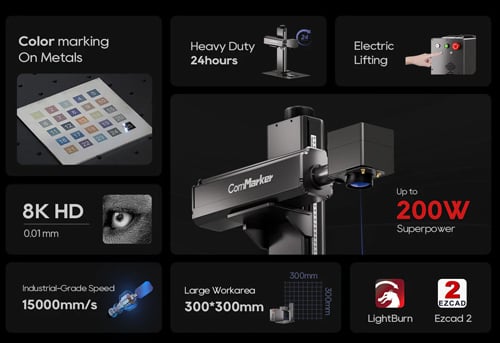
What is JPT laser engraver?
JPT is the leading laser source brand, known for their stable laser out put.
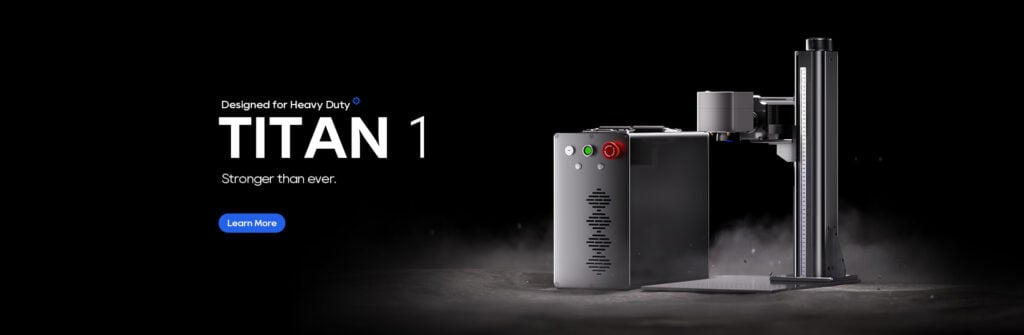
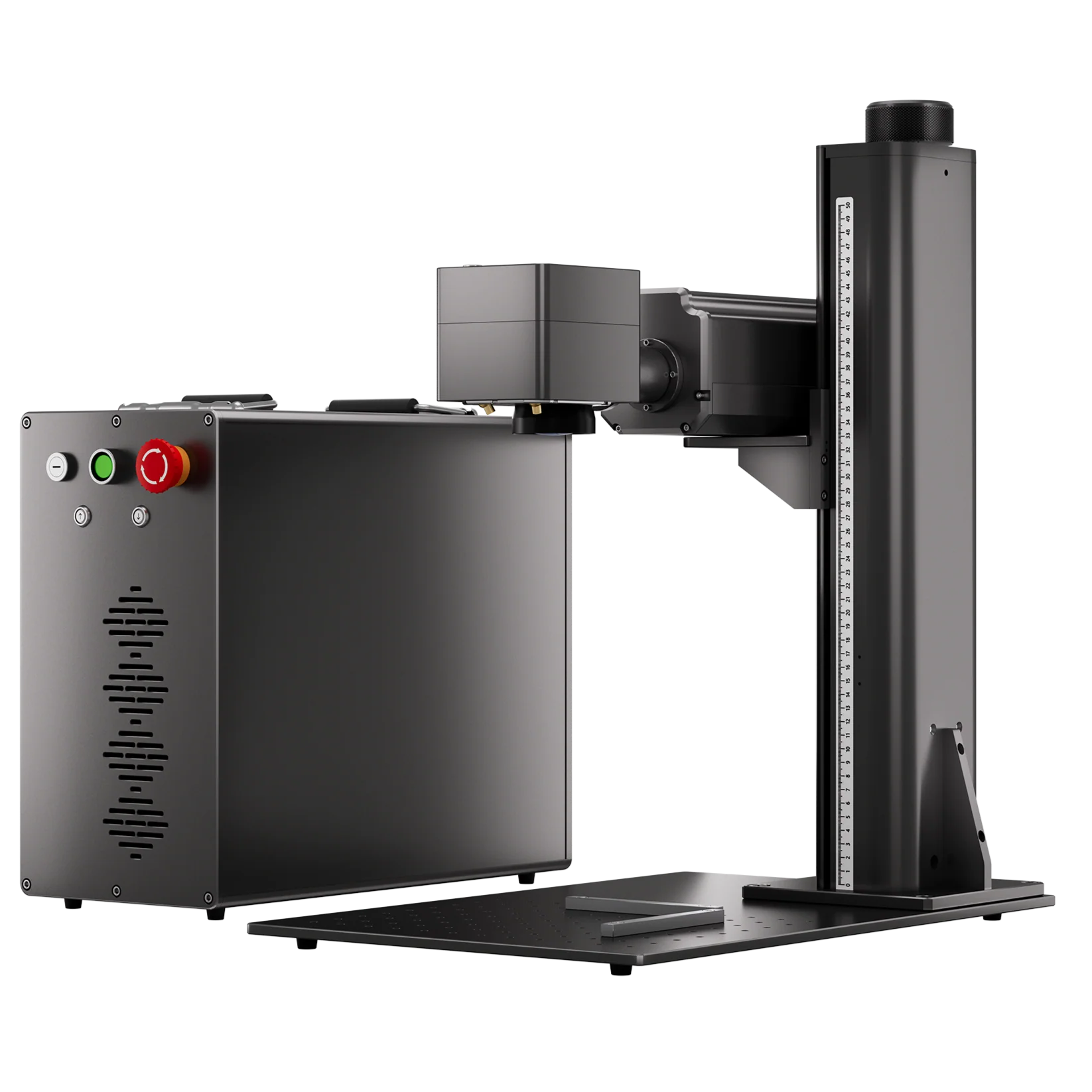
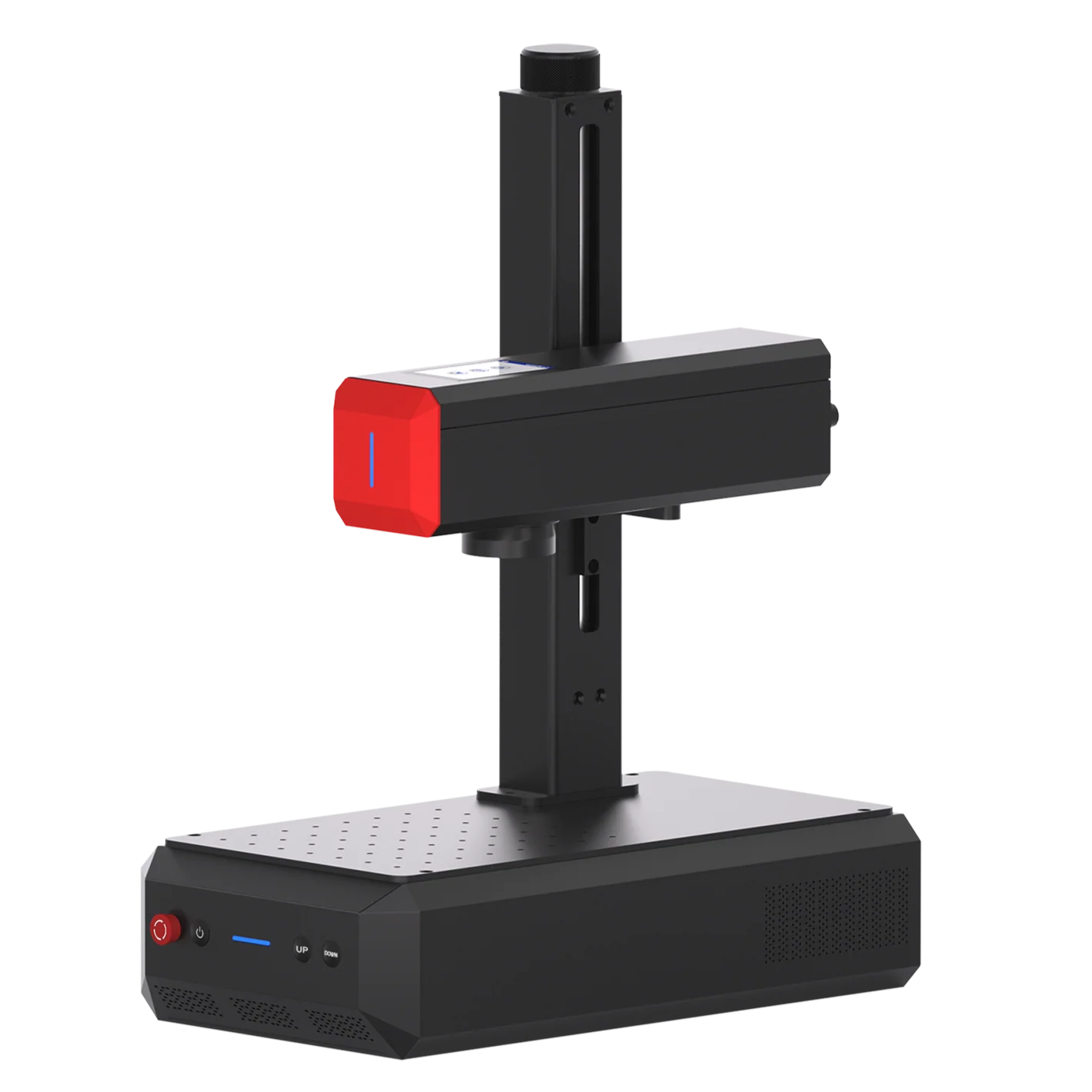
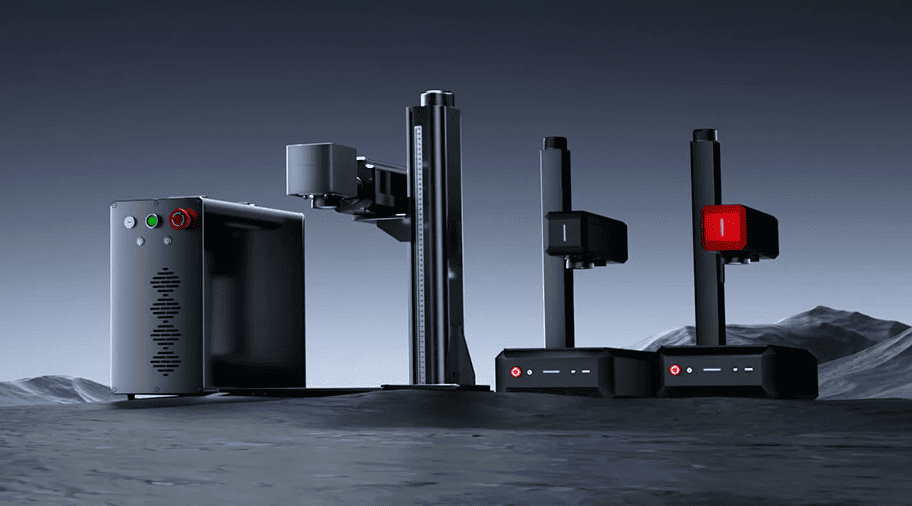
ComMarker B6 MOPA fiber laser engraver and ComMarker Titan both equiped with JPT laser source, allow you to enjoy the leading engraving experience in the market.
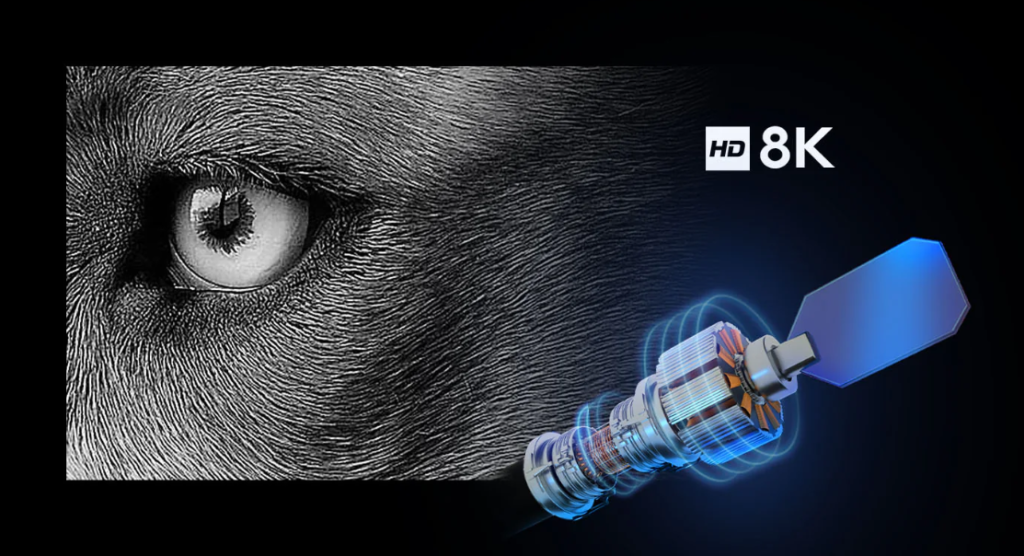
High-Resolution Image Engraving
Modern MOPA lasers can engrave photographs with extremely fine detail due to:
-
Small beam spot size
-
High-speed scanning
-
Adjustable pulse shaping
This makes it possible to engrave:
-
Portraits
-
Pets
-
Landscapes
-
Logos with shading
With ComMarker Titan fiber laser engraver, on brushed aluminum or stainless steel business cards, the results are remarkably sharp with 8K HD detail. Check guide on how to get best photo laser engraving on metal→
Can a MOPA Fiber Laser Cut Metal?
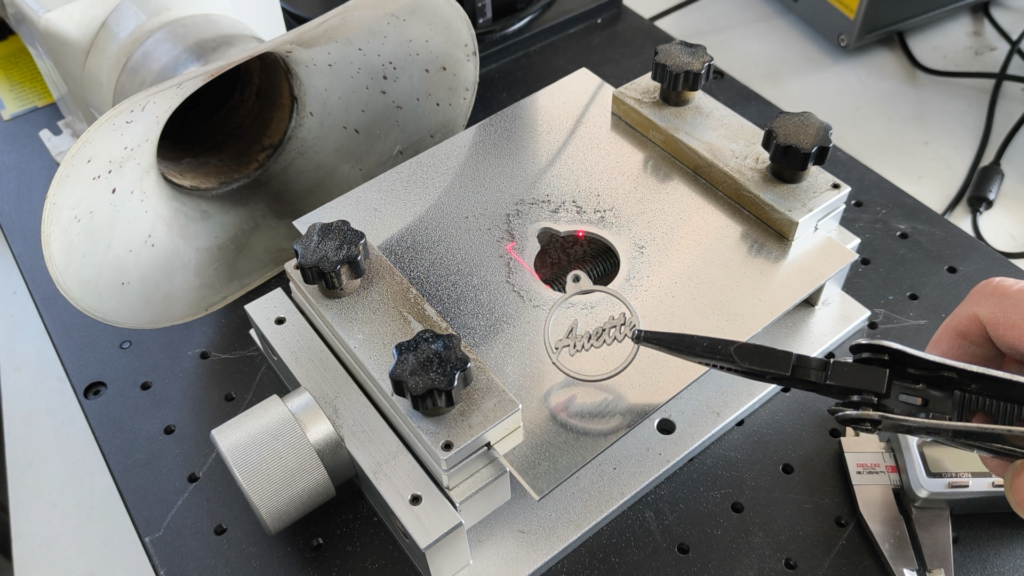
Yes. Since MOPA fiber laser engraver allow user to adjust pulse and all parameters, you can achieve the highest possible speed while maintaining detail, contrast, and surface quality.
Although desktop fibe laser engravers can’t cut huge metal sheets like industrial laser machines, ComMarker Titan with 300*300mm maximum working area, can handle:
-
Knife blanks
-
Small tools
-
Thin stainless sheet
-
Jewelry patterns
The key is using:
-
Offset-filled lines
-
Multiple passes
-
Adequate cooling and fume extraction
Check detailed guide on how to cut metal with fiber laser engraver →
Testing Metal Materials With a MOPA Fiber Laser
With the adjustable pulse width and frequency, a MOPA fiber laser can mark or engrave a wide range of metals. Below are real examples commonly tested with JPT systems.
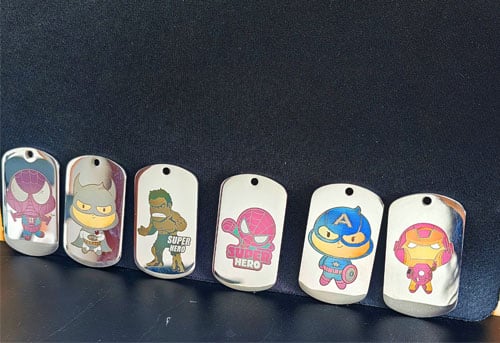
1. Stainless Steel – Best for Color Engraving Metal
Stainless steel responds beautifully to MOPA settings.
By tuning frequency and pulse width, you can achieve:
-
Blues
-
Browns
-
Golds
-
Purples
-
Deep matte black
-
Photorealistic shading
This makes stainless steel ideal for:
-
Custom logos
-
Jewelry
-
Tumblers
-
Color artwork
-
Knife blades
Even small grayscale images come out clean due to the laser’s fine beam spot.
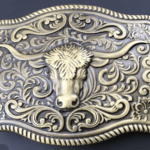
2. Brass – High Contrast & Clean Marks
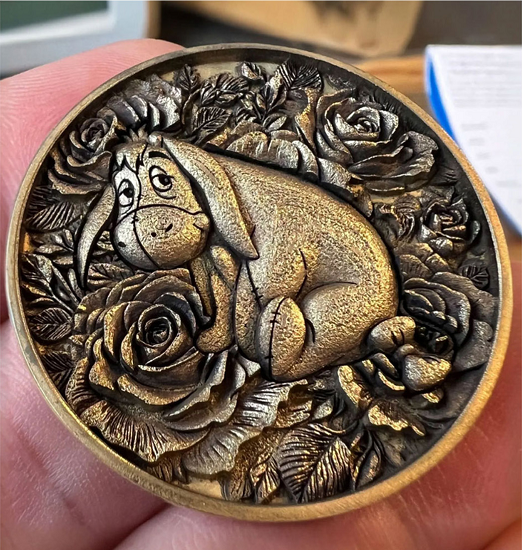
Brass marks easily and produces:
-
Sharp black text
-
High-contrast icons
-
Decorative patterns
Because brass doesn’t oxidize the same way as stainless steel, most results will be dark instead of colorful. However, the clarity is excellent.
3. Aluminum – Requires Polished or Coated Surface
Raw aluminum can be challenging because of its oxidation layer.
A quick polish solves the issue and produces:
-
Clean white marks
-
Darker shades with higher power
-
High-resolution detail
Coated aluminum business cards engrave especially well and are perfect for:
-
QR codes
-
Barcodes
-
Business branding
4. Copper and Zinc – Strong Marking Response
Copper plates and zinc coins respond well to MOPA settings.
The laser can create:
-
Deep engravings
-
Strong contrast
-
Smooth gradients
These materials are often used for:
-
Commemorative coins
-
Keychains
-
Badges
-
Industrial tags
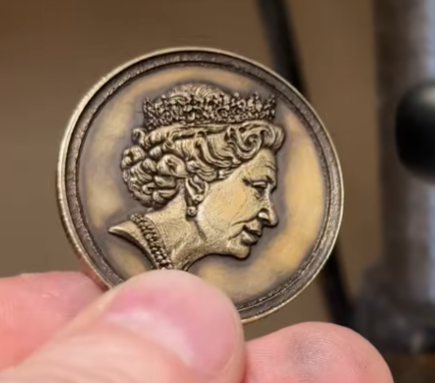
2.5D and 3D Engraving Metal With Depth Maps
One major advantage of a powerful MOPA engraver is depth engraving, often referred to as:
-
2.5D engraving (layered carving into metal)
-
3D engraving (sculpting using grayscale depth maps)
This allows you to engrave:
-
Relief artwork
-
3D coins
-
Tooling stamps
-
Embossing dies
-
Decorative medallions
With the right file (SVG + depth map), the laser gradually carves material layer by layer to create depth and texture.
Engraving on Non-Metal Materials
Although fiber lasers primarily target metals, a JPT MOPA model can also mark:
-
Black acrylic
-
Certain plastics
-
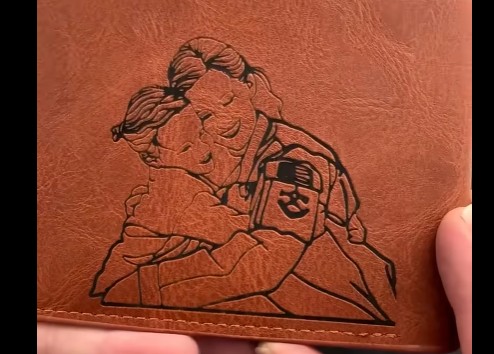
Leather
-
Stone (such as slate)
-
Coated surfaces
For example:
-
Leather wallets engrave with smooth, dark contrast
-
Slate produces crisp 3D textures
-
Acrylic reveals white, high-visibility marks
These surfaces make fiber lasers useful for makers and custom gift businesses.
Final Thoughts:Is a MOPA Fiber Laser Worth It?
Whether you are marking stainless steel tumblers, engraving coins, making custom tools, or producing color artwork, a JPT MOPA fiber laser engraver offers capabilities that CO₂ and diode lasers simply cannot match.
If your work involves metal—or you want the highest accuracy and detail—a MOPA fiber laser is one of the most powerful tools you can invest in.
A MOPA fiber laser is ideal for anyone who wants:
-
Full-color metal engraving
-
Ultra-fine detail
-
Better consistency on stainless steel and aluminum
-
2.5D/3D engraving capability
-
High-speed production
-
Professional-level results
Compared with regular fiber lasers, a MOPA system offers dramatically more control and versatility, especially for creators who work with logos, metal products, and commercial applications.