UV laser engraving has quickly become one of the most talked-about technologies in the engraving industry. Unlike diode, CO₂, or fiber lasers, a UV laser engraver offers unmatched precision, cleaner edges, and the ability to mark materials that other lasers struggle with—such as glass, silicon, certain plastics, and coated metals.
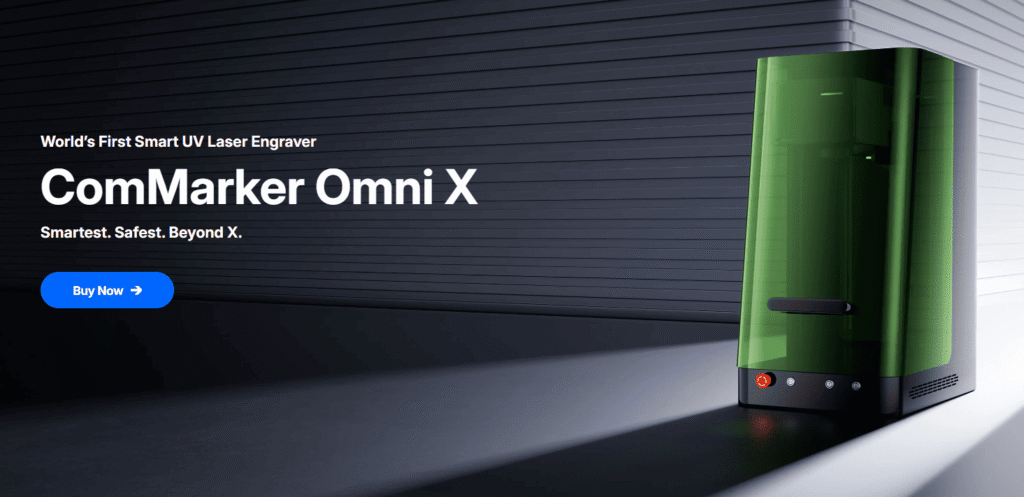
To better understand these advantages, this article takes a closer look at how a modern UV laser—such as the Omni X—handles real material tests, 2.5D engravings, and 3D crystal marking. Instead of focusing on a strict product review, we explore what UV laser technology can accomplish and why many creators and businesses are adopting it.
Understanding How UV Lasers Work (and Why They’re Different)
Most laser engravers rely on thermal energy—essentially burning, melting, or vaporizing material.
UV lasers, however, operate at 355 nm, a short-wave ultraviolet wavelength that enables photochemical ablation. Rather than heating the material, the beam breaks molecular bonds directly.
Because of this, UV laser engraving offers several unique benefits:
-
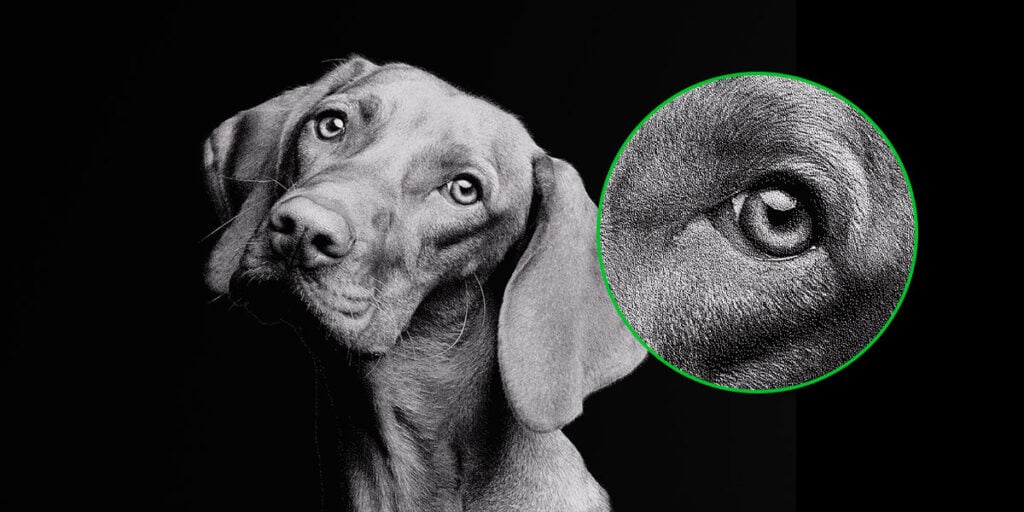
Extremely fine detail with sharp edges
-
Low-heat processing with almost no charring
-
Safe marking on delicate or heat-sensitive surfaces
-
High contrast engraving on coated metals
-
Ability to engrave inside transparent materials like glass or crystal
This makes UV lasers incredibly versatile for both industrial marking and creative applications.
What Real Users Actually Use UV Lasers For and Why They Chose UV
Based on a survey of 51 UV laser owners, most users rely on UV lasers for practical, everyday applications rather than showcase effects.
Glass surface engraving ranks as the most common use, followed by leather, plastics, and fine-detail wood work.
Users consistently highlight the ability to engrave delicate materials cleanly, without burning, melting, or requiring additional processing like coatings or sanding.
Among the surveyed users, key UV advantages include: Better performance on glass; Cleaner leather engraving; Fine detail & high precision; Low heat / cold processing.
These insights reinforce what makes UV laser technology stand out: but its reliability and efficiency in real production environments.
For a detailed breakdown of user data and real applications, see: Why UV Laser Engravers Are So Popular in 2026: A Real User Survey
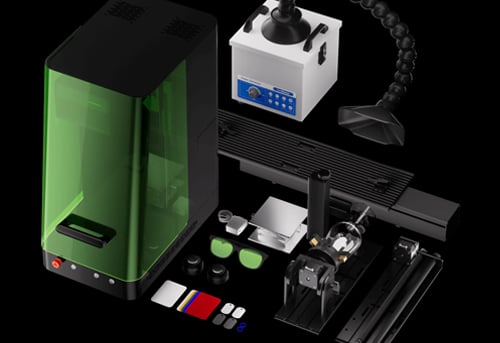
What’s Typically Included With ComMarker Omni X UV Laser Engraver
ComMarker Omni X often come packaged with a wide range of laser engraving materials for users to explore and laser engraving accessories that expand engraving possibilities.
While the exact combination depends on the bundle users chose, typical ones would be:
-
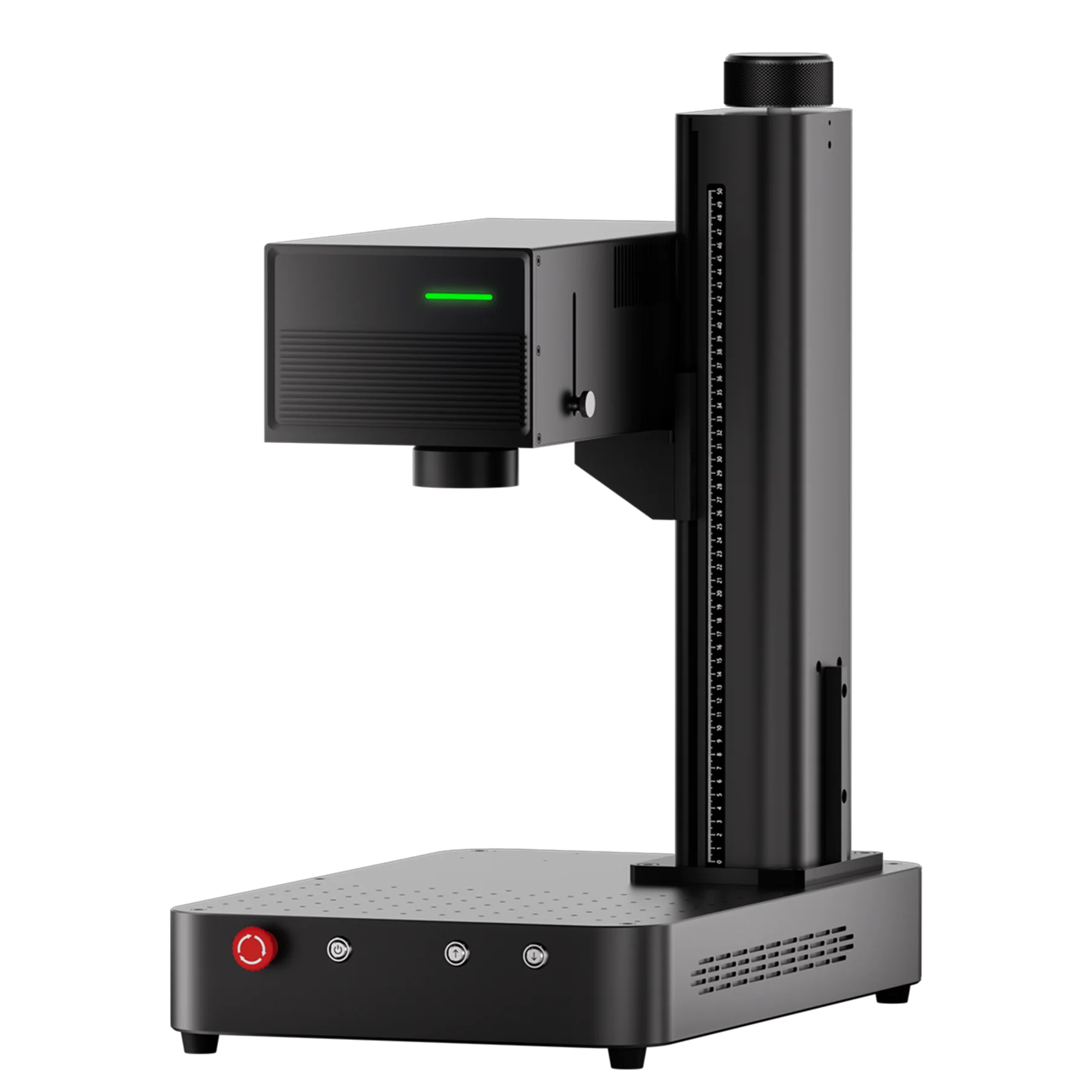
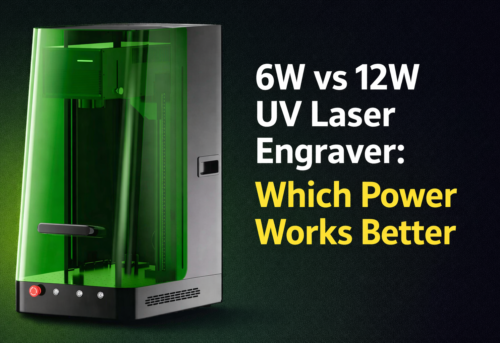
UV laser engraver base unit
-
70×70 mm and 150×150mm or 250×250 mm field lenses
-
Rotary or chuck modules (To be purchased)
-
Roller attachment for cylindrical objects (To be purchased)
-
Extension table for taller items (To be purchased)
-
Sample materials
-
Safety components and setup tools
These accessories allow a UV laser engraver to handle flat objects, curved surfaces, metal rings, glassware, and even 3D crystal blocks.
Real Material Tests: What and How well UV Laser Engraver Can Handle Different Materials
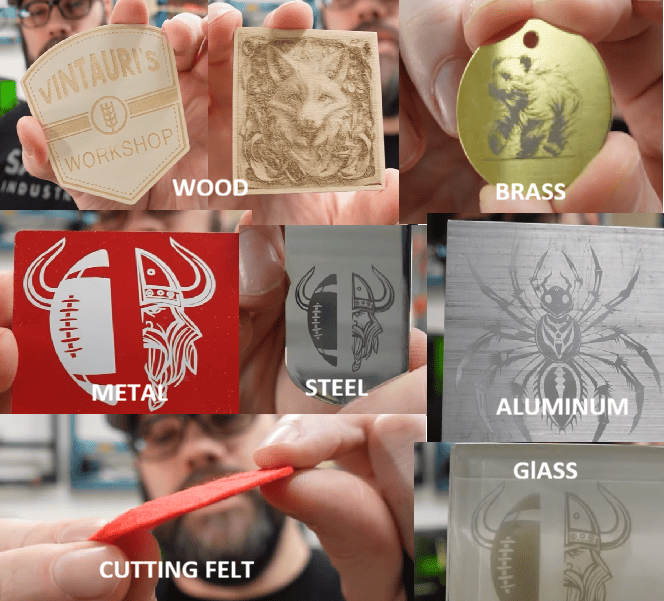
One of the best ways to understand UV engraving is to look at how it interacts with different materials.
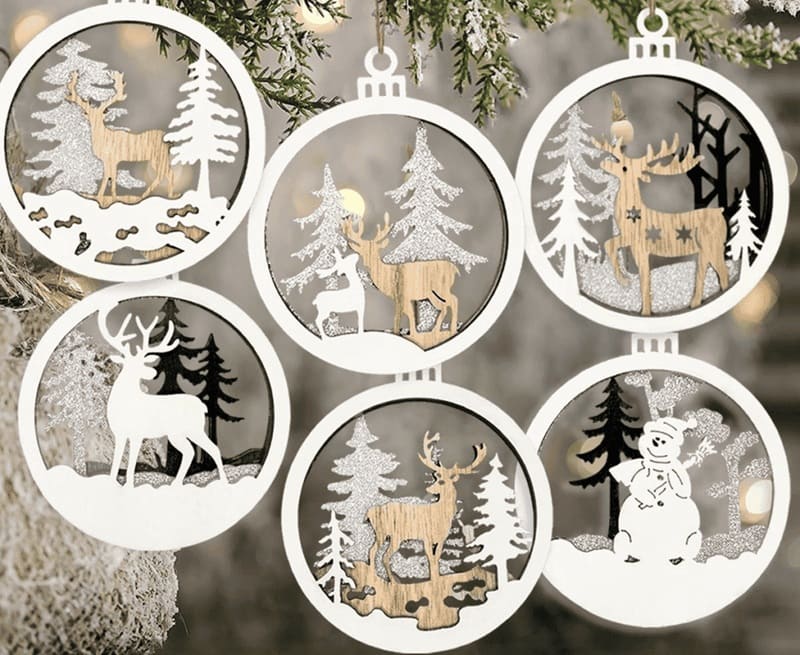
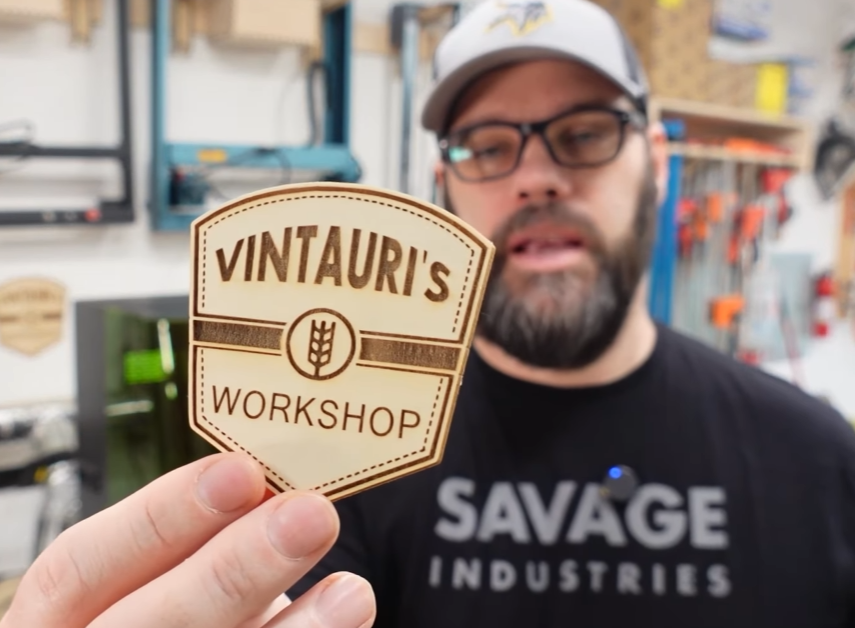
1. Wood
UV lasers produce clean engravings with strong contrast—especially on images with bold highlights and shadows.
Because the beam produces minimal heat, edges remain crisp without burnt residue.
2. Paper and Leaf Engraving
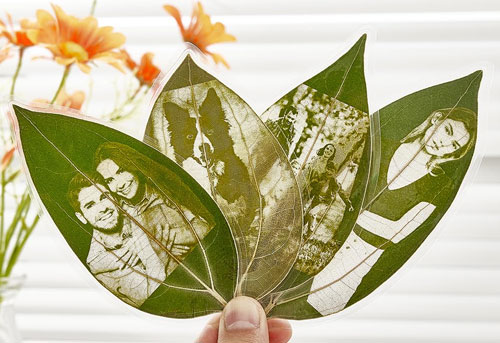
This is where UV lasers truly stand out.
Unlike diode or CO₂ lasers, a UV laser can cut and engrave thin paper or dried leaves without burning holes, thanks to its low-heat characteristics.
This opens the door to ultra-delicate artistic engraving.
3. Metals (Aluminum, Copper, Stainless Steel)
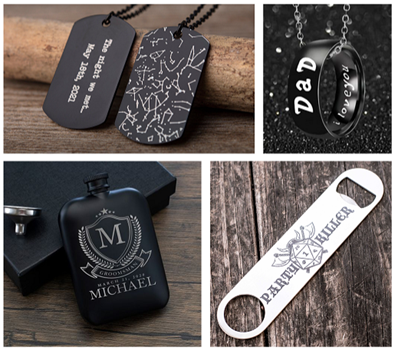
UV lasers can mark various metals with excellent clarity:
-
Raw aluminum may require polishing, as oxidation layers reduce contrast.
-
Copper responds well with sharp, high-contrast results.
-
Stainless steel can achieve clean logos and text with minimal passes.
Coated materials—such as anodized or painted aluminum business cards—often produce the highest contrast and most professional finish.
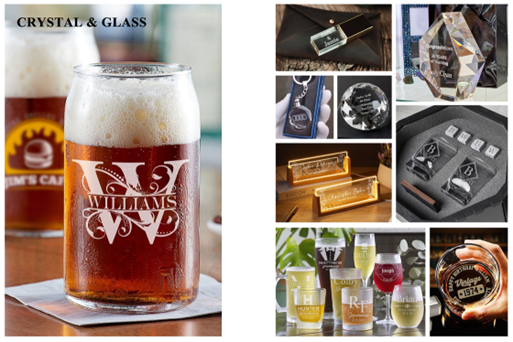
4. Glass and Crystal Engraving
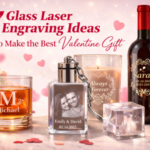
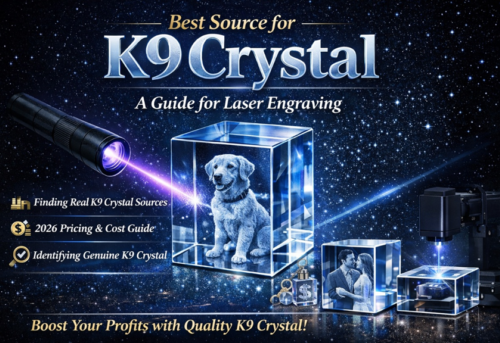
One of the signature strengths of UV laser engravers is the ability to engrave inside transparent materials.
UV beams pass through clear surfaces and create micro-fractures at precise depths, enabling:
-
Internal 3D subsurface engravings
-
Detailed logos
-
Star signs and decorative patterns
-
High-contrast surface marking on drinkware
This capability is unique to short-wavelength lasers and is commonly used in custom gifts and luxury displays.
Advanced Engraving Modes: 2.5D and 3D Relief
Modern UV laser engravers often include features like 2.5D engraving, which creates textured, layered depth on wood or other compatible materials. This allows for:
-
Raised surfaces
-
Shadowed dimensional effects
-
More sculpted designs than a standard 2D engraving
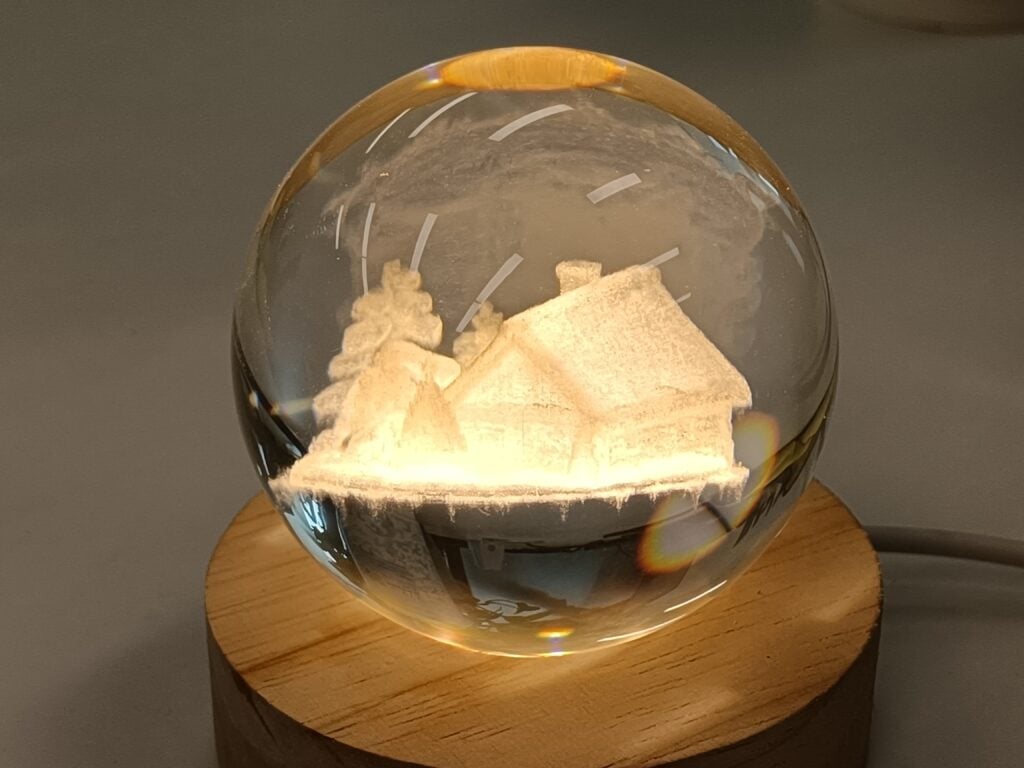
For clear crystal blocks, 3D internal engraving takes things even further.
By focusing the laser at varying depths, users can create:
-
Characters
-
Logos
-
Miniature sculptures
-
Decorative patterns suspended inside the glass
These internal engravings appear floating and can be extremely detailed due to the fine spot size of UV lasers.
Roller, and Chuck Modules: Engraving Cylindrical Items
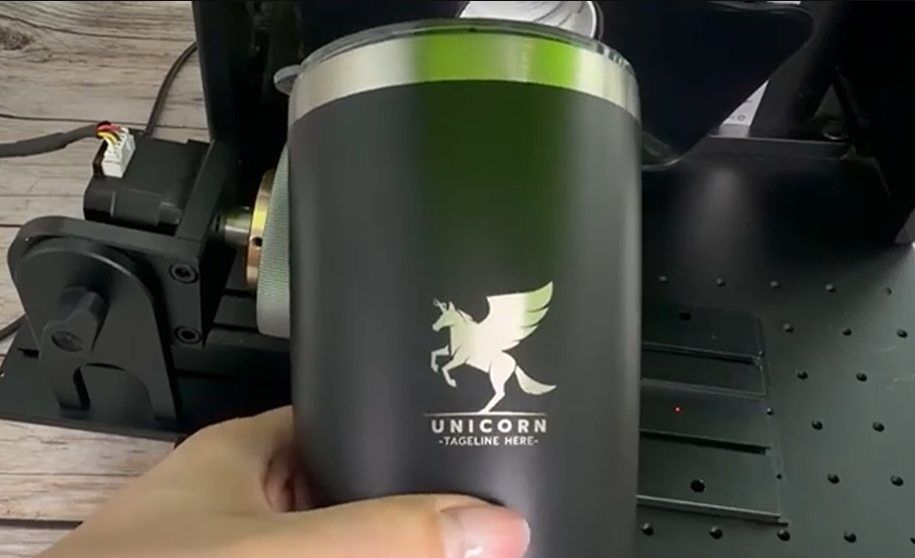
UV lasers often support rotating accessories, enabling engraving on:
-
Metal rings and jewelry
-
Tumblers and drinking glasses
-
Curved wooden objects
-
Non-cylindrical items held by a chuck
Accurate alignment is important, especially when working with smaller curved surfaces. However, once set up correctly, rotary engraving produces clean and consistent results.
Strengths and Limitations of UV Laser Engraving
Strengths
-
Exceptional precision
-
Minimal heat impact
-
Ability to mark materials other lasers cannot
-
Excellent performance on metals and coated surfaces
-
Internal crystal engraving capability
-
Clean edges with almost zero residue
Considerations
-
Preview alignment on curved surfaces may require adjustment
-
Fan noise varies but can be improved with temperature-controlled systems
-
Larger field lenses reduce detail slightly due to spot size differences
Why Makers and Businesses Consider Omni X UV Laser Engraver
UV laser engravers appeal to a wide range of users:
-
Creators who want extremely fine detail
-
Small businesses producing custom glassware, jewelry, or metal goods
-
Industrial users needing durable part marking
-
Gift shops offering engraved crystal products
-
Hobbyists exploring materials impossible for diode or CO₂ lasers
As UV laser technology becomes more accessible, its precision and versatility make it a compelling upgrade.