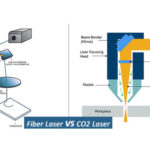
Choosing between a CO2 laser and a fiber laser is about choosing the right tool for the materials your business actually sells.
If you buy the wrong system, you may find that your core materials cannot be processed efficiently at all.
This guide compares CO2 and fiber laser engravers side by side, including material compatibility, engraving performance, maintenance, operating costs, and real business use cases, so you can choose the right laser engraving machine for your workshop with confidence.
Quick Decision Guide
| You should choose | If your main work is… |
| ComMarker COX CO2 laser engraver | Wood signs, acrylic products, leather goods, powder-coated tumblers, decorative products |
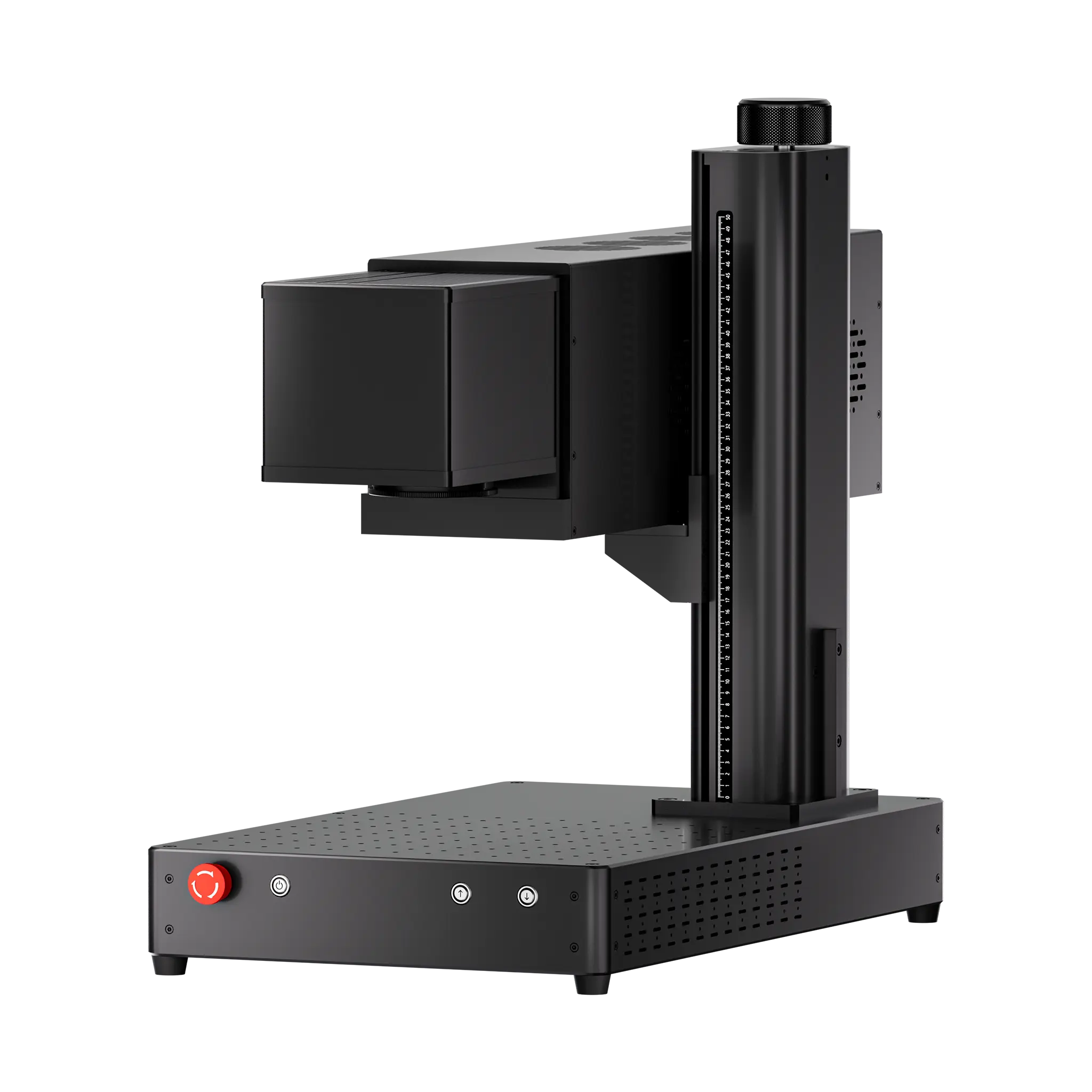
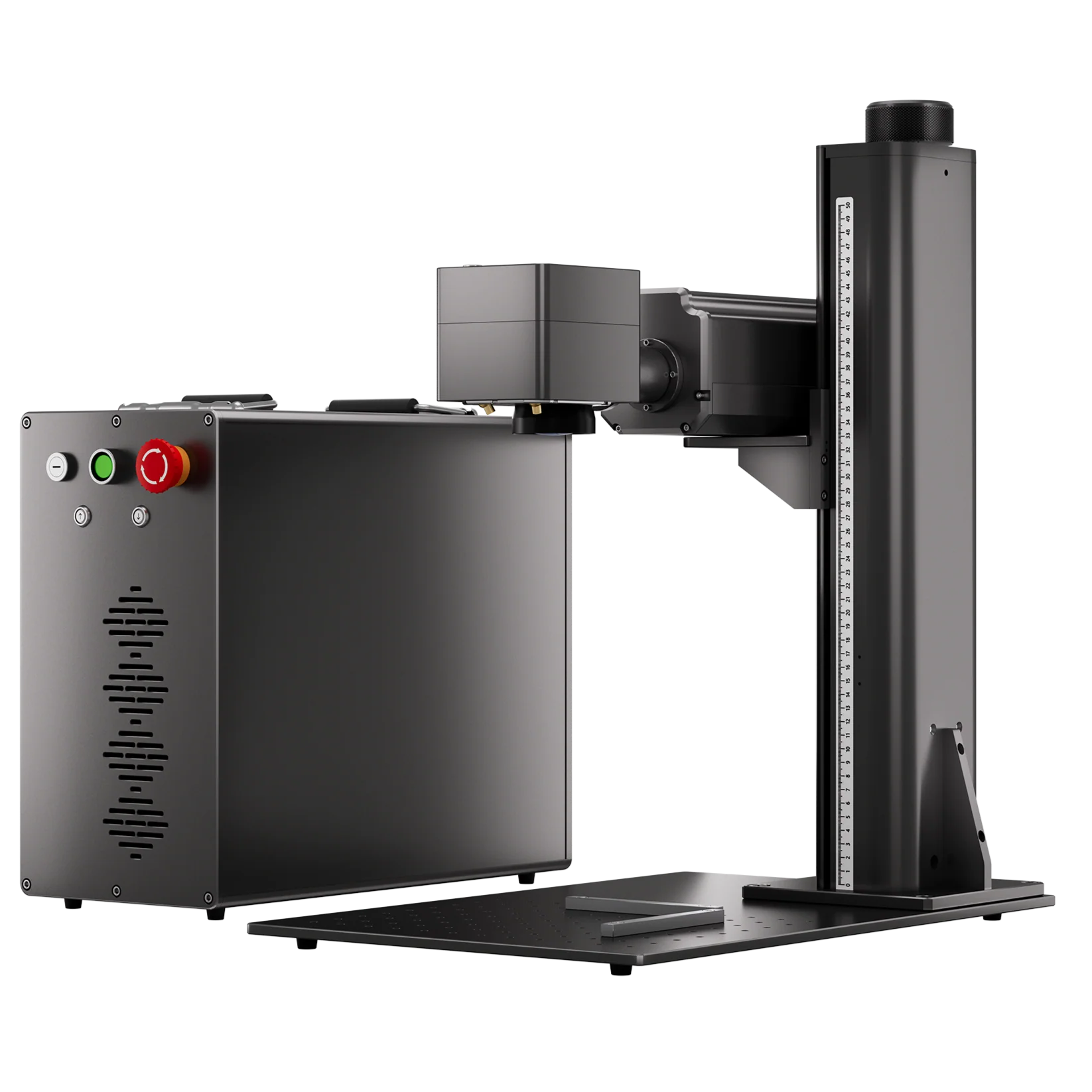
| ComMarker Titan MOPA fiber laser engraver | Stainless steel engraving, metal tags, tools, industrial marking, serial numbers, bare metal tumblers |
ComMarker COX vs Titan: Quick Comparison
| Feature | ComMarker COX | ComMarker Titan |
| Laser Type | RF CO2 Galvo Laser Engraver | Galvo MOPA Fiber Laser Engraver |
| Price | $2999 (40W) | $4599 (60W) |
| Maximum Speed | Up to 15,000 mm/s | Up to 15,000 mm/s |
| Precision | 0.005 mm | 0.01 mm |
| Lifespan | 30,000 hours | 100,000 hours |
| Standard Work Area | 200 × 200 mm | 300 × 300 mm |
| Machine |  |
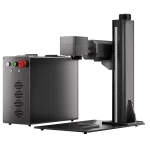 |
Bottom line: COX is built for non-metal materials and production-friendly creative work. Titan is built for metal engraving, deep marking, and industrial applications.
Which One Performs Better on Shared Materials?
Some materials can be processed by both machines, but the results are not identical in workflow, contrast, or ease of setup.
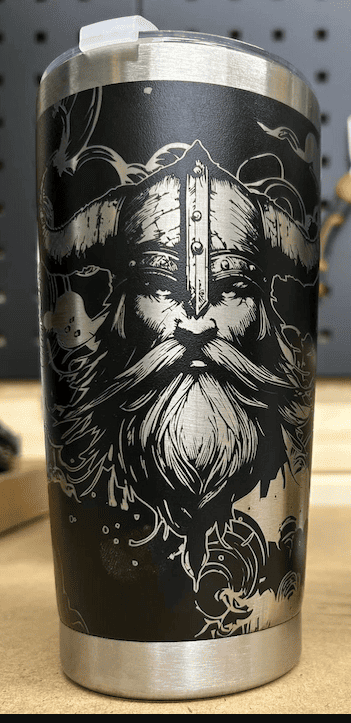
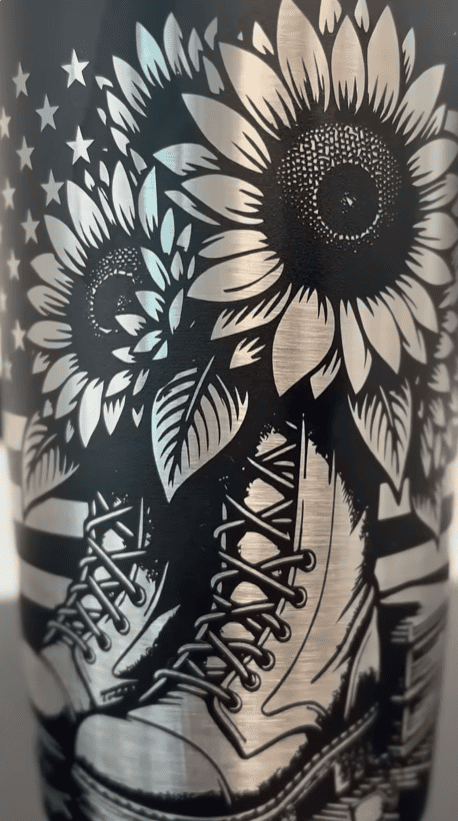
1.Powder-Coated Tumblers
Powder-coated tumblers are one of the most common entry products in laser customization.
| COX Performance: | Titan Performance: |
 |
 |
COX performance: Clean and consistent results, especially for gift businesses and beginners.
Titan performance: Also produces strong results, and can expose and engrave the bare metal beneath the coating.
COX (CO2) stainless steel exhibits extremely high reflectivity at a wavelength of 10,600 nm. This means that even if the power turns up too high on COX or the speed too low, it can only burn off the surface paint layer without damaging the underlying metal substrate.
On the contrary, if the parameters of Titan (fiber optic) are set incorrectly, it will directly etch or discolor the inner metal layer.
Business takeaway:
If tumblers are your main product, both machines can work.
If you want an easier setup and a more beginner-friendly workflow, COX is usually the simpler choice.
If your business plans to expand into bare metal marking, Titan gives you more flexibility.
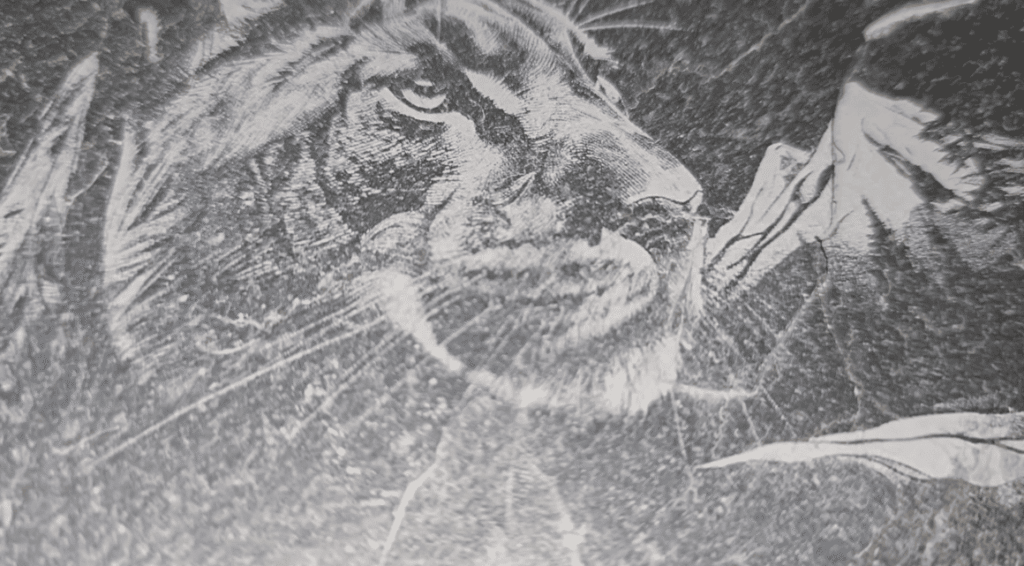
2.Stone Engraving
Both CO2 and fiber lasers can mark stone materials clearly.
| COX Performance: | Titan Performance: |
 |
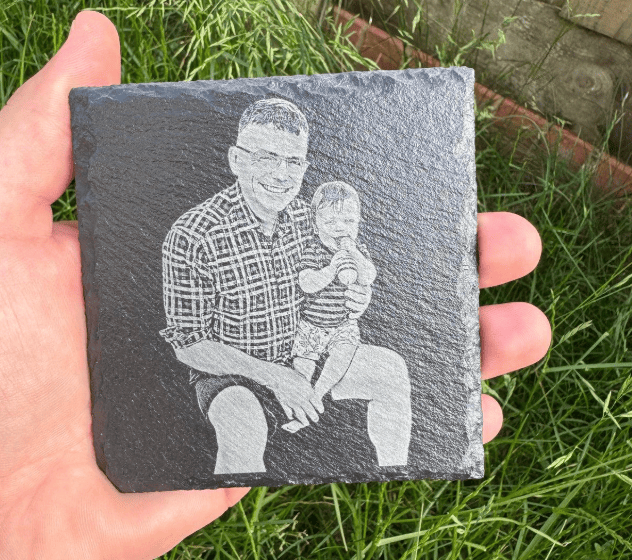 |
COX performance: Good for photo engraving and general decorative marking.
Titan performance: Faster deeper engraving tasks and tougher industrial-style marking. Fiber can reach 1–3mm per single pass, while CO2 is shallower, typically 1–2mm per single pass.
Business takeaway:
For decorative photo engraving, both machines can be suitable.
For deeper engraving or heavier-duty production work, Titan has the stronger advantage.
3.Leather Products
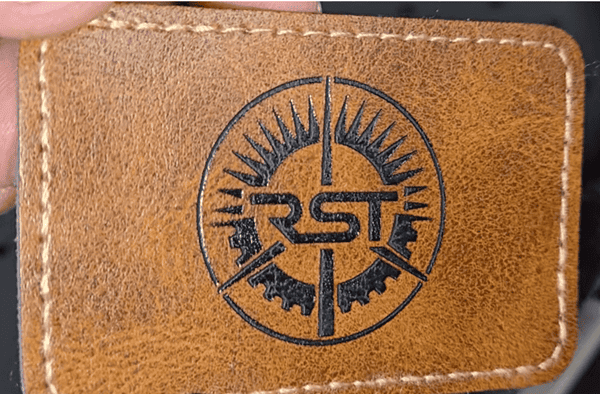
Leather is a strong category for personalized products such as wallets, patches, labels, and fashion accessories.
| COX Performance: | Titan Performance: |
 |
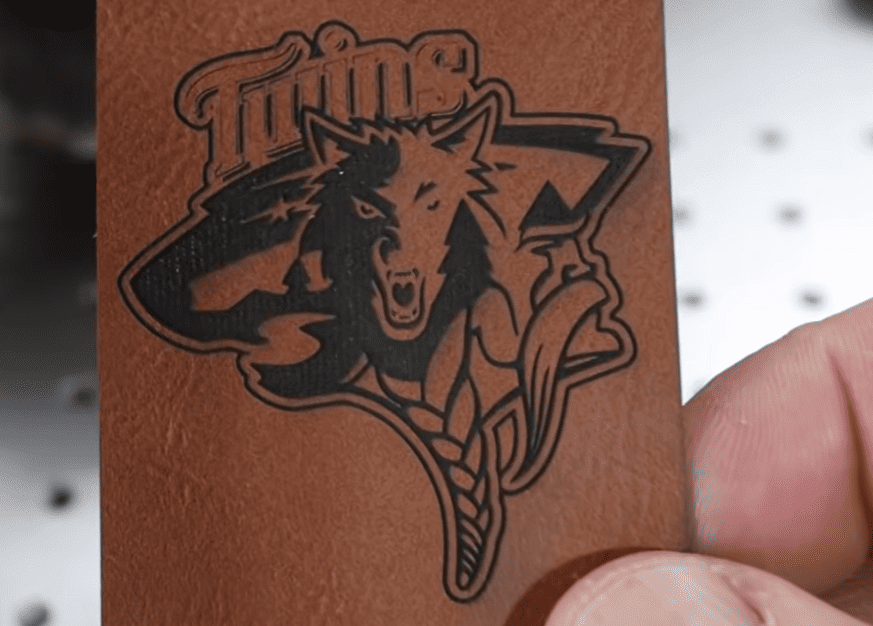 |
COX performance: Delivers cleaner burn control and stronger contrast.
Titan performance: Can engrave leather, but usually creates more visible burn marks.
Business takeaway:
If your business focuses on leather goods, COX is the better choice.
4.Acrylic
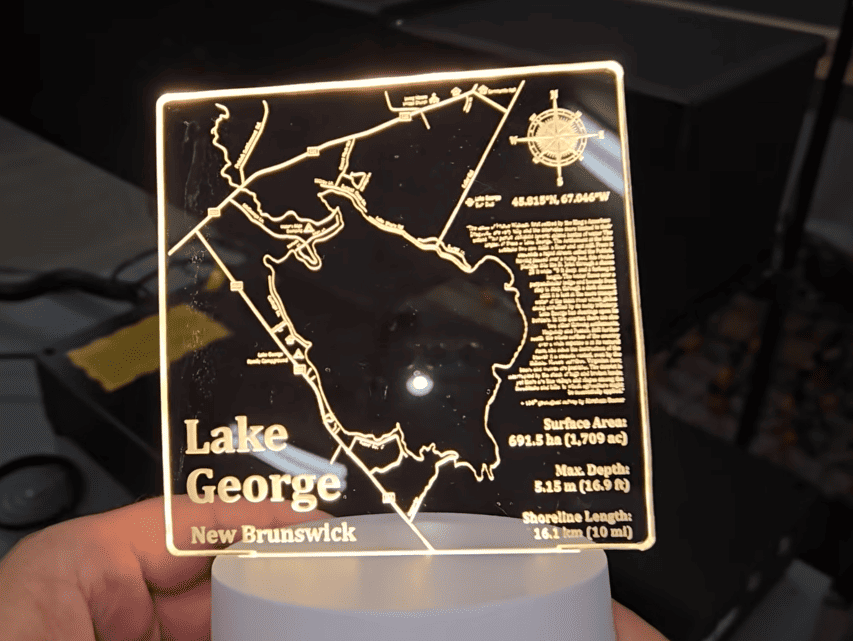
Acrylic is one of the most important materials for signage, displays, awards, and custom decor.
| COX Performance: | Titan Performance: |
 |
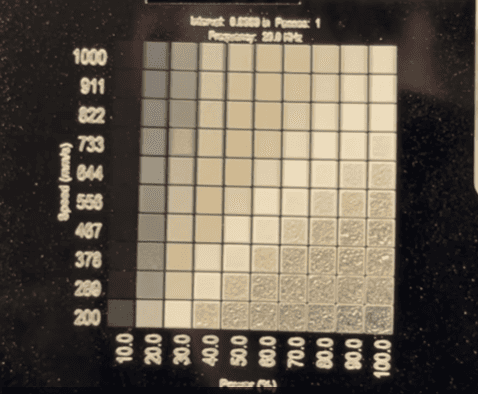 |
COX performance: Cuts and engraves acrylic cleanly and consistently.
Titan performance: Not capable for transparent or colored acrylic processing.
Business takeaway:
If acrylic signage or display products are part of your business, COX is the right machine type.
Materials Each Laser Handles Best
The real difference between CO2 and fiber lasers comes from wavelength and material absorption. That is why each machine excels in a different part of the market.
Materials CO2 Lasers Can Engrave Well, But Fiber Lasers Cannot or Do Poorly
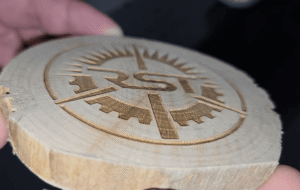
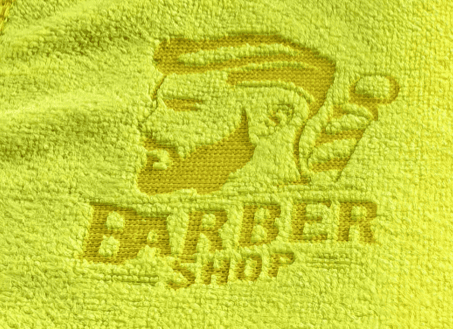
CO2 laser engravers use a 10.6 μm wavelength, which is readily absorbed by many non-metal materials. That makes them especially effective for:
• Wood and bamboo — solid wood, MDF, plywood, cork, bamboo products
• Fabric — cotton, linen, felt, and similar materials
• Glass — direct engraving is possible with CO2 systems
• Plastics — many types, including acrylic and certain polymers
• Rubber and silicone — commonly used for stamp making and soft-material processing
Special notes:
1.CO2 lasers are not ideal for bare metal, but they can mark metal surfaces with marking spray or similar pretreatment.
2.Some plastics, such as ABS, may melt or deform easily under CO2 processing.
 |
 |
Materials Fiber Lasers Can Engrave Well, But CO2 Lasers Cannot or Do Poorly
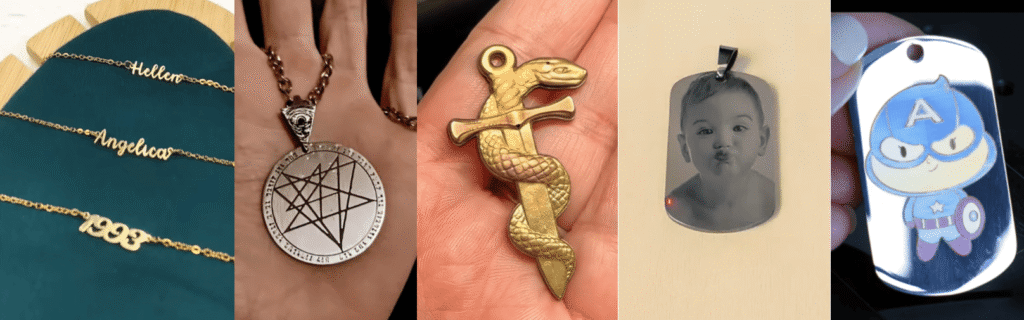
Fiber lasers use a 1064 nm wavelength, which is much better absorbed by metals. That gives them a major advantage in metalworking:
• Metals — stainless steel, carbon steel, aluminum alloy, brass, copper, titanium, gold, silver, and more
• Deep metal engraving — suitable for molds, hardware, signs, tags, and industrial parts
• Color marking on metals — MOPA fiber lasers can produce colored effects on certain metals under the right settings
• Thin metal processing — in specific high-power industrial configurations
Special notes:
1.Most bare metals reflect CO2 laser energy, so CO2 systems are not suitable for direct metal engraving.
2.For businesses centered on metal products, fiber laser systems are usually the more practical long-term investment.
Final Takeaway: Which One Should You Choose?
Here is the simplest way to decide:
• Choose COX (CO2 laser) if you focus on wood, acrylic, leather, signage, decor, and custom gift products.
• Choose Titan (fiber laser) if you focus on stainless steel, metal tags, industrial parts, serial numbers, or precision metal marking.
In short:
COX is the better all-rounder for creative non-metal businesses, while Titan is the better specialist for metal engraving and industrial production.
If you want the safest first purchase for a gift, signage, or personalization business, COX is usually the easier start.
If your business sells metal products or needs permanent marking, Titan is the stronger fit.