Cooling plays an important role in UV laser engravers. During operation, part of the energy inside the laser source turns into heat which may affect engraving stability and the lifespan of the laser engraving machine.
UV laser engravers typically apply air cooling (wind/fan cooling) or water cooling systems for this issue. Each approach affects machine design, workflow, and the working environment.
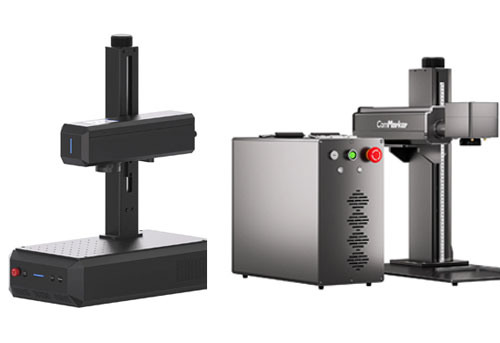
This guide explains both systems by comparing Water-Cooled ComMarker Omni 1 and Air-Cooled ComMarker Omni X, so you can choose the right design for your business.
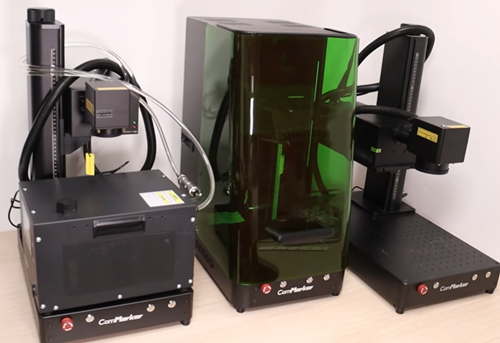
How UV Laser Systems Generate Heat
Inside the UV laser source, the pump diode (a semiconductor laser that drives the system) converts electrical power into light, and part of the energy is released as heat into the diode and nearby components.
What Happens When a UV Laser Engraver Overheats
- Reduced engraving precision
- Shortened laser source lifespan
A stable cooling system helps maintain consistent engraving performance, even during long sessions.
Air Cooling in UV Laser Engravers
Air-cooled UV laser engravers use fans and heat sinks to remove heat from the laser module.
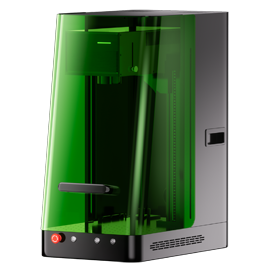
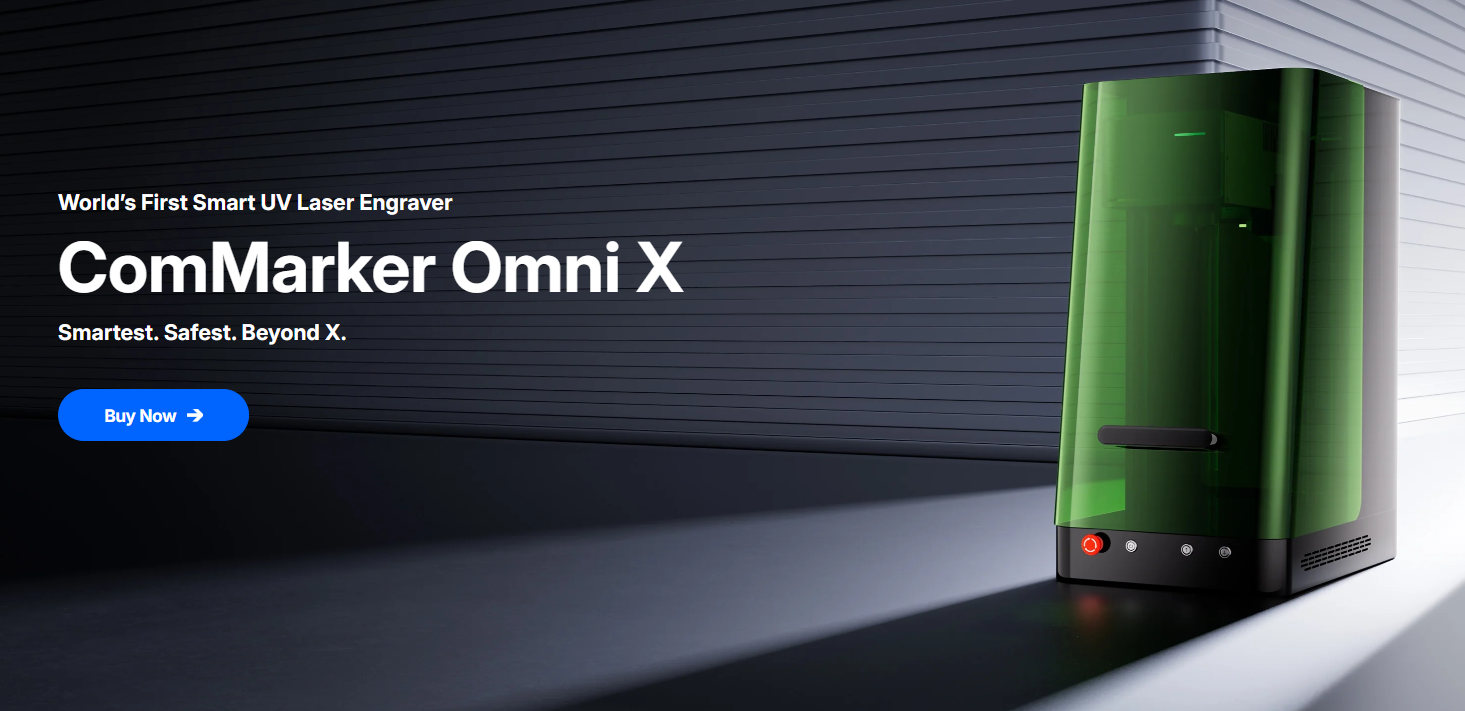
The air cooled ComMarker Omni X 12w UV laser engraver sized 500 × 310 × 670 mm and has a built in air cooling system. No extra equipment or space is needed.
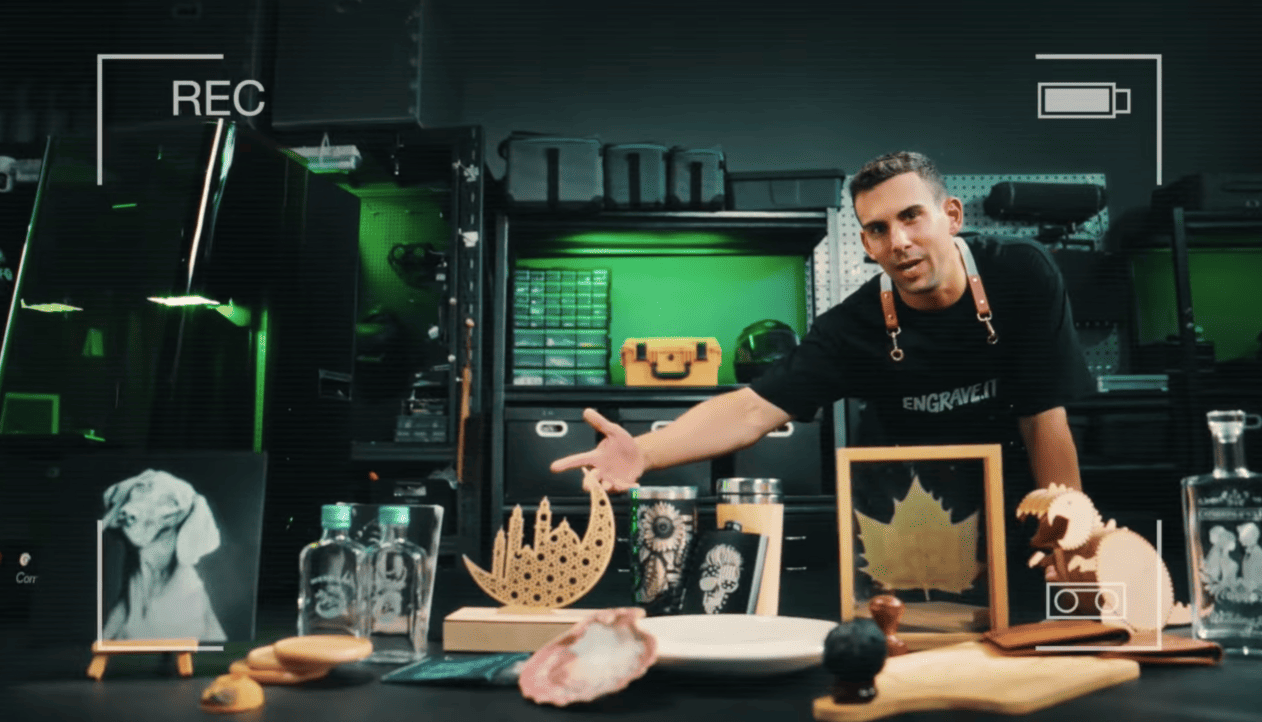
Its ColdFront™ 2.0 Thermal System monitors heat during operation and controls the fan to keep the temperature stable while minimizing noise.
Despite its compact size, it supports autofocus, slide extension, and 3D inner engraving.
Its portable setup and software compatibility make it ideal for small businesses operating in studio or shops.
Advantages of Air-Cooled UV Laser Engravers
- Compact Machine Design: No external equipment required.
- Easy Installation: Simple plug-and-play.
- Low Maintenance: Simply clean off the dust.
- Better Portability: Easier to move without add-on system.
Limitations of Air-Cooled UV Laser Engravers
- Fan noise and dust accumulation.
Maintenance Tips
- Clean fans and vents regularly.
- Monitor airflow for blocked pathways.
Water Cooling in UV Laser Engravers
Water-cooled UV lasers circulate liquid through water chiller around the laser module, taking heat away efficiently and keeping the environment quiet.
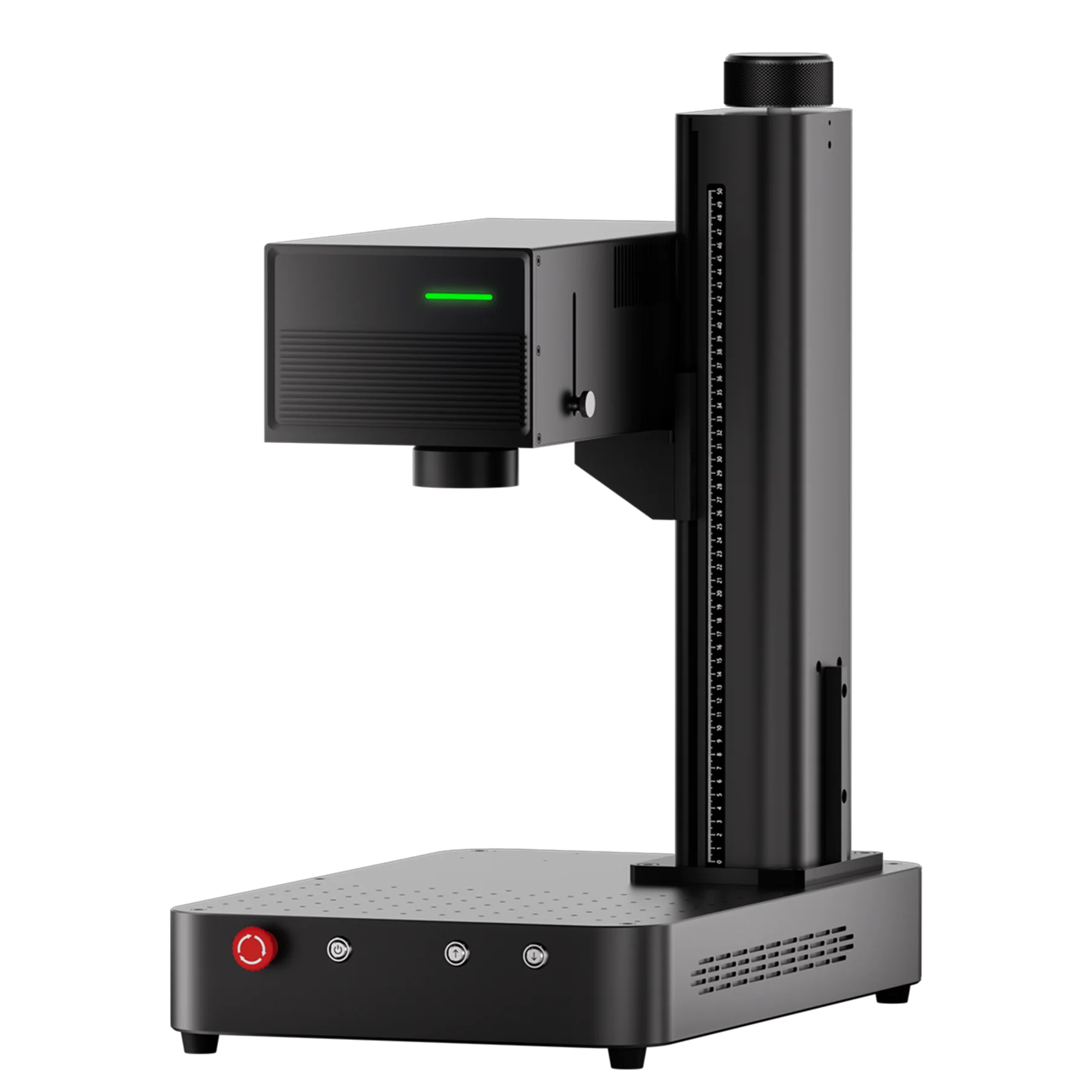
The water-cooled ComMarker Omni 1 10W UV laser engraver is a basic, reliable workhorse. Handles engraving and cutting on over 1,500 materials, delivers stable and dependable performance day after day.
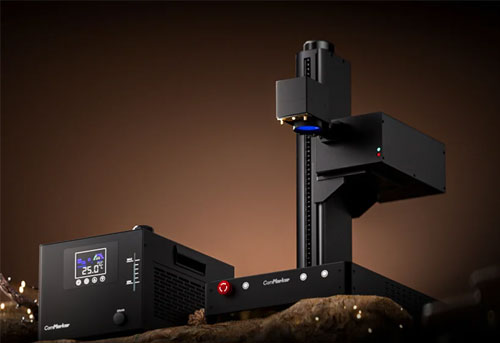
The machine itself measures 320 × 520 × 720 mm, and comes with a water chiller sized 345 × 248 × 215 mm.
Its dependable cooling makes it a solid choice for users who have strict noise limitations in their workspaces, and care less about machine size.
Advantages of Water-Cooled UV Laser Engravers
- Quieter Operation: Water removes heat, keeping operation quiet.
Limitations
- Takes up more space for tanks or chillers.
- Needs regular maintenance
- Possible risk of leaks or blockages.
Maintenance Tips
- Use pure water or other clean antifreeze to prevent mineral buildup.
- Regularly replace the circulating water, once every 45 days is recommended
- Check hoses and connectors regularly.
* The ComMarker Omni 1 is currently out of production. For inquiries, please reach out to [email protected].
Air Cooling vs Water Cooling: Comparison
| Feature | ComMarker Omni X Air-Cooled | ComMarker Omni 1 Water-Cooled |
| Continuous Operation | Stable | Stable |
| Machine Size & Portability | Compact & portable | Requires more space |
| Noise | Fan operating sound | Quiet |
| Maintenance | Minimal | Regularly |
Final Thoughts
Both air-cooled and water-cooled UV laser engravers are effective solutions, but each has its strengths.
Air-cooled systems offer compact design, portability, and low maintenance, making them ideal for home studios or small shops.
Water-cooled systems suit users who prefer quiet environment and have larger working space.
Ready to find the right UV laser engraver for your needs? Explore more about UV laser engravers that match your workspace, workflow, and production goals today.
Related Articles:
 How One Small Business Boosted Productivity 40% with the Omni 1: A Glass Engraving Success Story
 Laser Guide for Nail Art: Easy Way to Mark Press-Ons & Make Stamping Plates
 Benefits of UV Laser Marking Machines: What Real User Survey Reveal 2026
 7 Glass Engraving Ideas to Make the Best Valentine Gift