Most 40W CO2 lasers online refer to K40 style machines. But a $300 K40 and a professional RF CO2 galvo laser are not the same machine class — even though both are labeled “40W.”
Professional RF metal tube CO2 galvo systems represent another category, offering different advantages in speed, precision, and production efficiency.
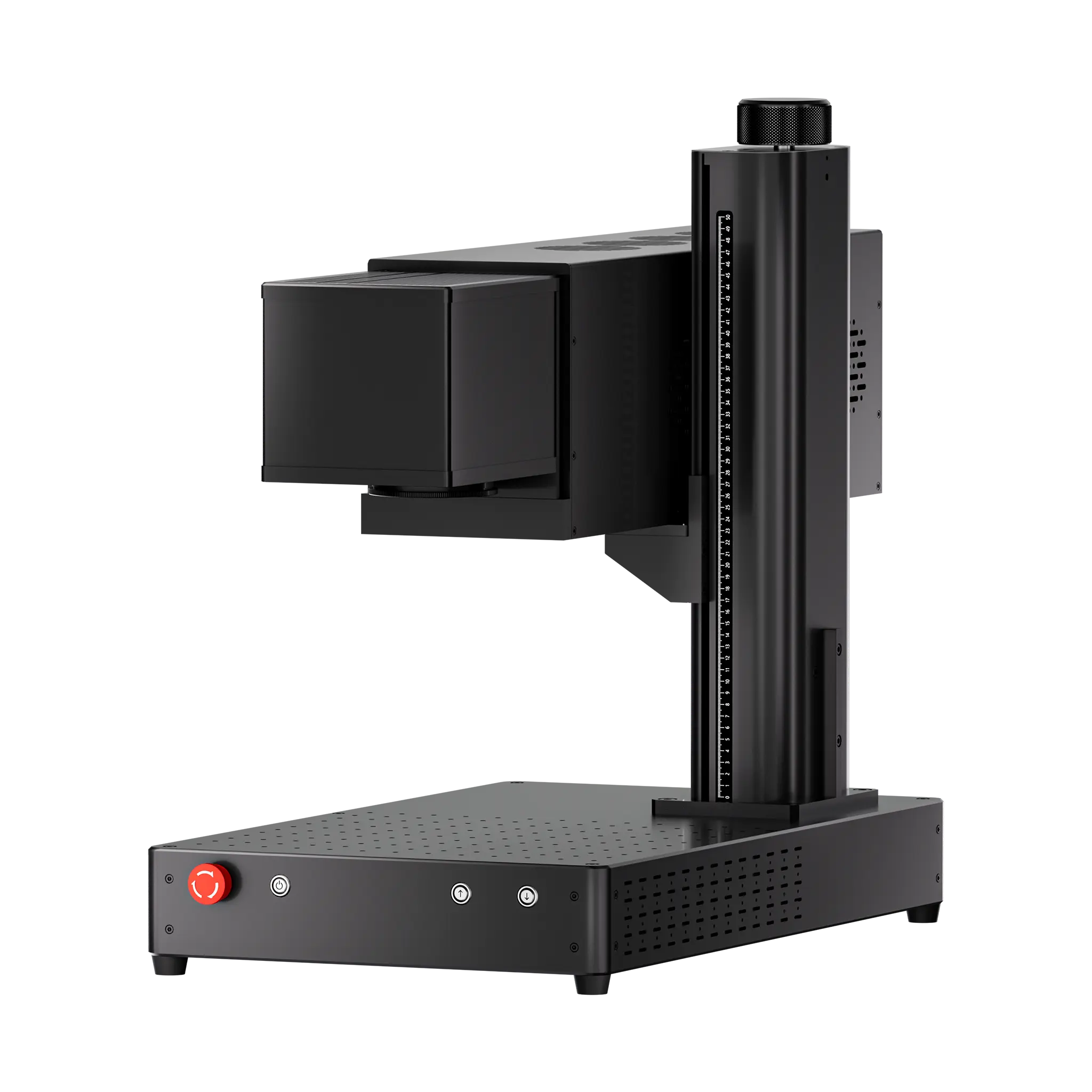
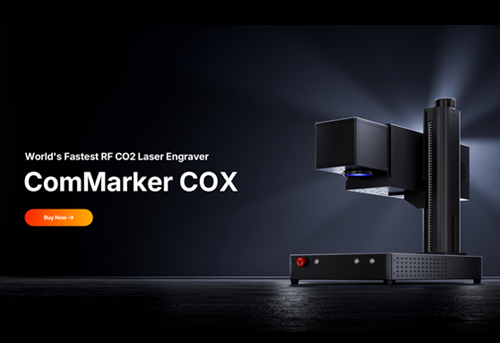
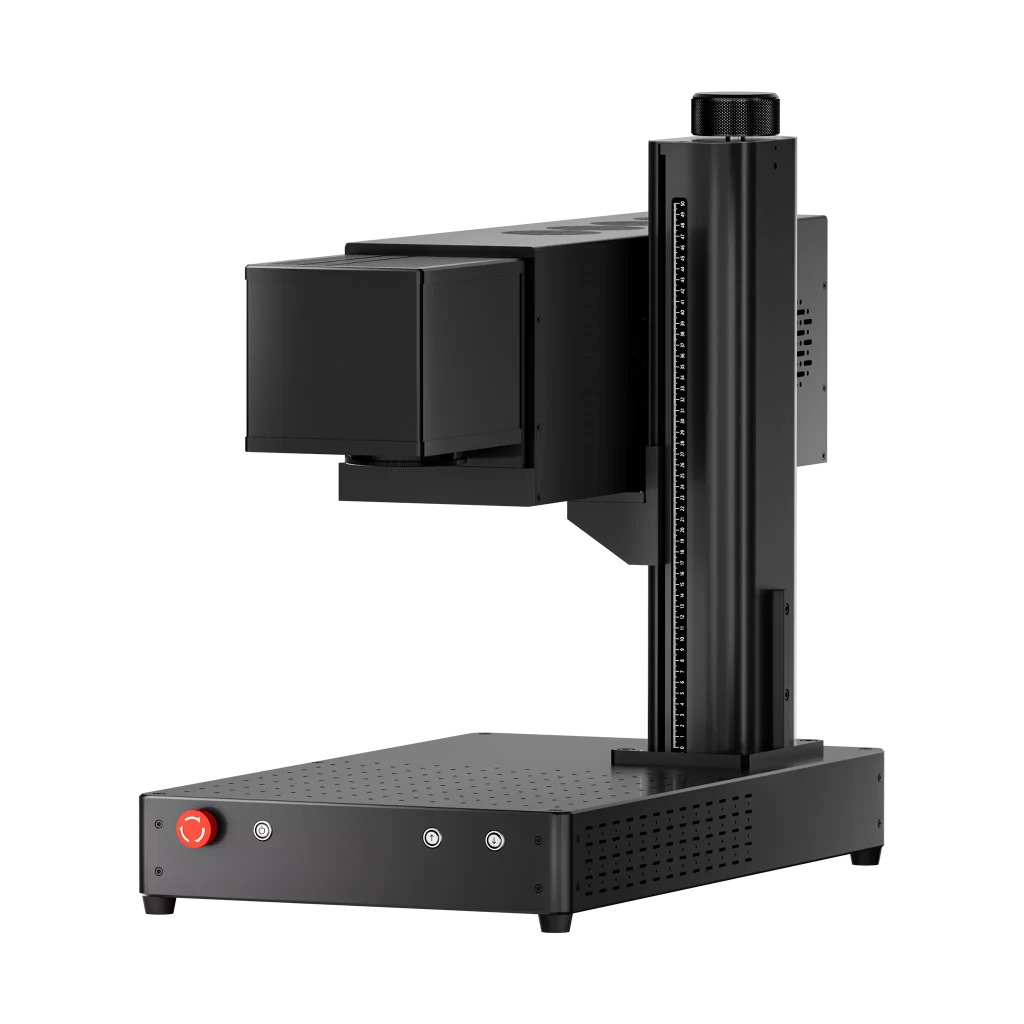
This guide explains the differences between these systems, what a ComMarker COX 40W CO2 laser can actually do, and how to choose the right machine for your needs.
What Does a 40W CO2 Laser Usually Mean?
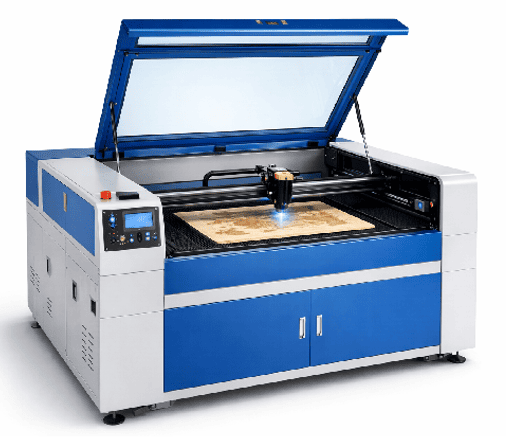
In many search results, 40W CO2 laser is closely associated with the K40 laser. Cheap, gantry, glass tube.
However, the K40 is only one category of 40W CO2 laser.
Today, 40W CO2 systems can generally be divided into two types:
1.Glass tube CO2 lasers
2.RF metal tube CO2 lasers
The difference between them has a major impact on engraving quality, speed, maintenance, and production efficiency.
How to Choose a 40W CO2 Laser: 5 Things That Matter More Than Wattage
Wattage does not define performance.
| Feature | K40 CO2 Laser | ComMarker COX 40W RF CO2 Galvo |
| Laser Source | Glass Tube | RF Metal Tube |
| Lifespan | 3,000-5,000h | Up to 30,000h |
| Motion System | Gantry | Galvo |
| Speed | 800 mm/s | 15,000mm/s |
| Cooling | Water cooling | Air cooling |
Glass Tube vs RF Metal Tube CO2 Laser: What’s the Difference?
|
Glass Tube CO2 Laser Glass tube lasers are widely used in entry-level K40 machines because they provide high laser power at a lower cost. Advantages:
However, glass tubes also have limitations:
A typical glass tube CO2 laser may last around 3,000–5,000 hours, depending on usage and operating conditions. |
RF Metal Tube CO2 Laser RF (radio frequency) metal tube CO2 lasers use a different method to excite the CO2 gas and generate the laser beam. Compared with traditional glass tubes, RF tubes provide:
High-quality RF metal tubes can achieve lifespans of up to 30,000 hours, significantly reducing replacement need. The improved beam quality is especially valuable when combined with a galvo scanning system, where the laser needs to maintain precision while operating at high speeds. |
Gantry vs Galvo CO2 Laser: Which System Is Better?
The motion system also determines how a laser machine performs.
|
Gantry CO2 Laser Traditional K40-style machines use a gantry system, where the laser head physically moves along the X and Y axes. Best for:
Limitations:
|
ComMarker COX Galvo CO2 Laser A galvo system uses high-speed mirrors to direct the laser beam instead of moving the entire laser head. Advantages:
Limitations:
This makes galvo CO2 lasers especially suitable for businesses that value engraving quality over thick material cutting
|
What Can a ComMarker COX 40W CO2 Laser Engrave?
Wood
Wood is one of the strongest applications for CO2 lasers.
The ComMarker COX CO2 laser can create:
 |
 |
 |
| Photo engraving | Keychain marking | Deep wood engraving |
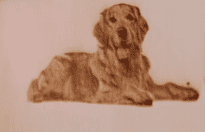
During real-world testing of the ComMarker COX 40W RF CO2 galvo laser, photo engraving on plywood produced detailed results with strong contrast and a deep tactile finish.
Compared with entry-level K40 machines, an RF CO2 galvo system provides more consistent beam quality and faster processing for detailed engraving applications.
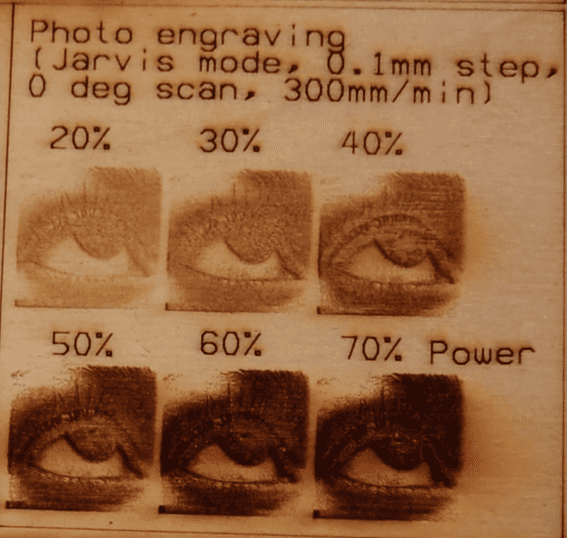
(Gantry CO2 laser photo engraving)
Leather
Leather is another ideal material for CO2 lasers.
Compared with many other laser types, CO2 lasers provide:
• Fast engraving speed
• Clean and deep contrast

Applications include:
• Leather patches
• Wallets
• Bags
• Custom accessories
Acrylic: Cut and Mark
CO2 lasers are one of the best choices for acrylic because acrylic strongly absorbs the 10600 nm wavelength.
Applications include:
• Acrylic signs
• Display products
• Decorative panels
• LED light boxes
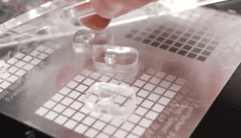
The ComMarker COX successfully cut 5 mm acrylic during testing, producing smooth edges and usable finished parts.
 |
 |
| Laser cut | Laser mark |
While a traditional CO2 laser is powerful for cutting thick acrylic, the ComMarker COX balances the capability between precise engraving and common cutting thickness.
Fabric and Paper: Cut and Mark
CO2 lasers can quickly process:
 |
 |
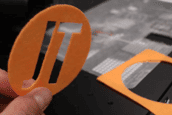 |
| Towel engraving | Paper cutting | Fabric cutting |
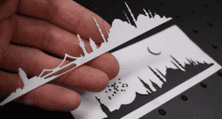
The details are sharp with minimum burning marks.
Stone, Ceramics and Glass
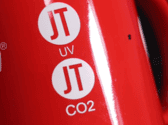
The ComMarker COX offered clean engraving on Ceramics and stone, while glass engraving is less precise as UV laser.
 |
 |
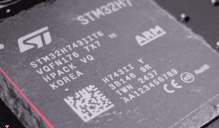 |
| Ceramics | Glass | Stone |
Can a 40W CO2 Laser Engrave Metal?
A standard CO2 laser cannot directly engrave bare metals like stainless steel or aluminum as the 10600 nm wavelength is poorly absorbed by reflective metal surfaces.
However, it works extremely well on coated metals.
For example: Coated Tumblers
One of the most popular applications for CO2 galvo lasers is tumbler engraving. The laser removes the colored coating while leaving the stainless steel underneath untouched, creating high-contrast designs without damaging the base metal.
With the high-speed galvo system, the ComMarker COX can efficiently handle both single custom orders and batch production, making tumbler engraving a profitable application for businesses.
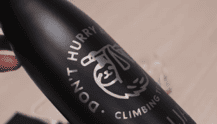
(ComMarker COX laser engraved tumbler)
What Makes an RF CO2 Galvo Different?
A professional RF CO2 galvo system offers several advantages beyond basic material compatibility.
Fine Detail Engraving
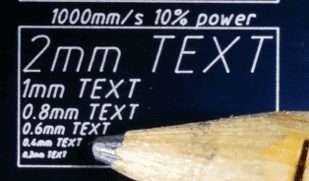
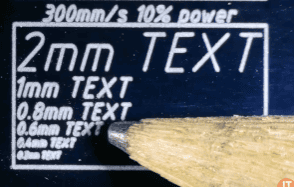
On anodized aluminum, With the 140 mm lens, the ComMarker COX achieved an approximate mark size of 0.12 mm.
With the larger 200 mm lens, the mark size increased to approximately 0.22 mm, while still maintaining excellent engraving detail.
 |
 |
| 140 mm lens | 210 mm lens |
This allows users to create:
• Small text
• Detailed logos
• Complex patterns
High-Speed Production
Combined with an 8X beam expander and galvo scanning system, the ComMarker COX achieves high-speed engraving while maintaining beam quality.
Take tumbler as an example, with rotary, the ComMarker COX can finish a tumbler engraving in 2 minutes, while a gantry CO2 user will spend 5 minutes waiting for the laser head to move around.
More Forgiving Settings and Consistent Results
 |
 |
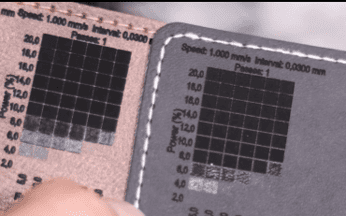 |
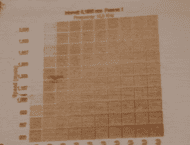
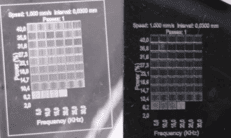
Compared with fiber and UV lasers, RF CO2 lasers are often more forgiving on organic materials. Once the energy threshold required to mark the surface is reached, users can achieve consistent results without massive parameter tuning.
Forgiving Focus Range for Curved Surface Engraving
Compared with some fiber and UV lasers, CO2 lasers generally have a more forgiving focus range.
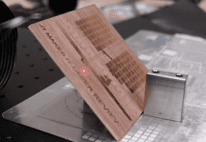
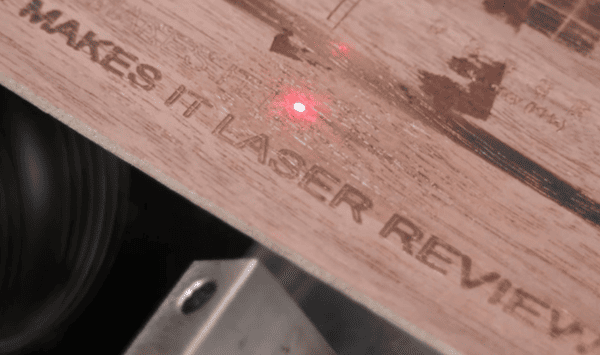
Testing showed that the 210 mm lens maintained engraving quality across several millimeters of focus variation, making it easier to process slightly uneven surfaces.
 |
 |
When Does a K40 Laser Become a Limitation?
K40 CO2 lasers are a popular entry point for beginners. However, as a business grows, limitations in speed, consistency, and maintenance can become noticeable.
Faster Production
A traditional K40 uses a gantry system, designed around affordability and simplicity.
A galvo CO2 laser uses high-speed scanning mirrors, allowing faster engraving for production efficiency.
More Consistent Results
For batch production, consistent quality matters. RF metal tube CO2 lasers provide better beam stability than traditional glass tubes, helping businesses achieve more repeatable engraving results across multiple products.
Lower Maintenance
K40 machines usually use glass CO2 tubes, which have a shorter lifespan and require water cooling tank maintenance. For businesses with regular orders, downtime can affect delivery schedules.
RF CO2 systems offer longer operating life and more stable performance, making them better suited for professional production environments.
Who Should Buy a K40 40W CO2 Laser?
A traditional K40 machine may be the right choice if you:
• Are new to laser engraving
• Have a limited budget
• Mainly create hobby projects
• Need occasional cutting
• Are learning laser workflows
For beginners, a K40 provides an affordable way to explore CO2 laser technology.
Who Should Choose the ComMarker COX RF CO2 Galvo Laser?
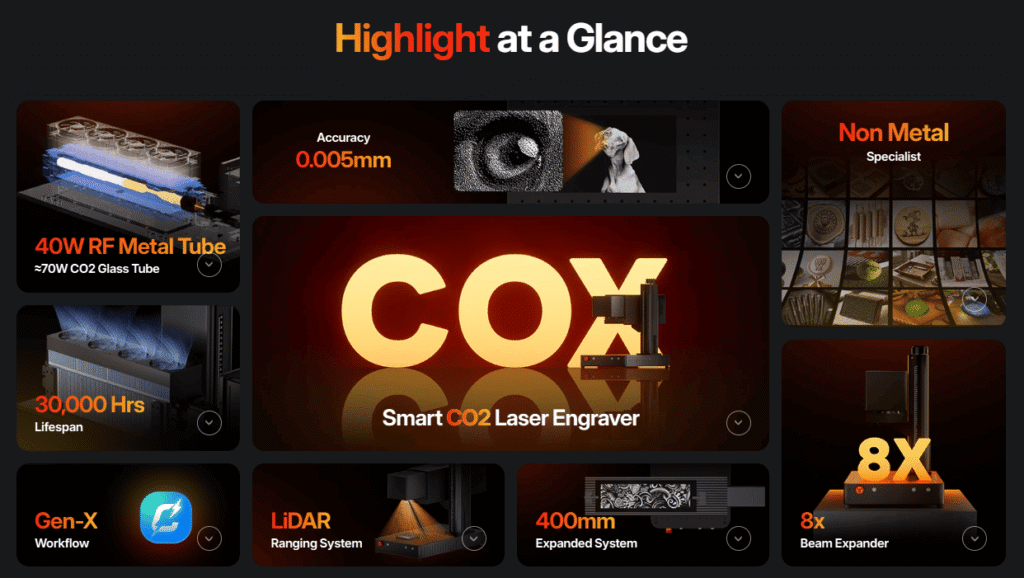
The ComMarker COX 40W RF CO2 Laser Engraver is designed for professionals and growing businesses that need faster production, consistent engraving quality, and reliable long-term performance.
It is an excellent choice for users who want:
• 15000 mm/s production without sacrificing engraving quality
• Lower maintenance with an RF metal tube rated for up to 30,000 hours
• Faster setup using the LiDAR auto-focus system
• A 200 × 400 mm working area with slide extension for processing larger products
• A machine optimized for engraving and cutting a wide range of non-metallic materials, including wood, leather, acrylic, paper, fabric, ceramics, and coated tumblers
Frequently Asked Questions
Is a 40W CO2 laser powerful enough for a small business?
Yes. A 40W CO2 laser can handle many profitable applications, including popular laser engraving products including leather patches, acrylic keychains, and tumbler engraving.
Why Choose a 40W RF CO2 Instead of a Higher-Power CO2 Laser?
RF metal tube offer more stable laser output, therefore bringing stronger laser performance. A 40W RF metal tube CO2 laser can offer similar power as a 70w glass tube CO2 laser.
Can a 40W CO2 Galvo laser cut acrylic?
Yes, a 40W CO2 laser can cut acrylic, but the achievable thickness depends on the machine design, lens, material type, and number of passes. In testing, the ComMarker COX successfully cut 5 mm acrylic with clean edges.
Does every 40W CO2 laser need water cooling?
Not necessarily. Many traditional K40 machines use water-cooled glass tubes. The ComMarker COX RF metal tube CO2 lasers use air cooling designs and generally require less maintenance.
Is an RF CO2 Laser Worth the Higher Investment?
For businesses that rely on speed, consistency, and daily production, the longer lifespan, better beam quality, and higher efficiency of RF CO2 systems can justify the investment. The ComMarker COX supports 30000 hour-lifespan, 10 times compared with a K40 glass tube CO2 laser. Saves more in the long run.
Final Thoughts
A 40W CO2 laser is not defined only by its wattage. The laser source, motion system, and intended application determine the real-world performance.
For professional users who need faster production, higher precision, and reliable long-term operation, an RF metal tube CO2 galvo laser offers a completely different level of performance.
Ready to Upgrade?
If your K40 workflow is limited by slow engraving speed, frequent maintenance, or inconsistent results, the ComMarker COX provides a professional RF CO2 upgrade path without moving into a large industrial system.