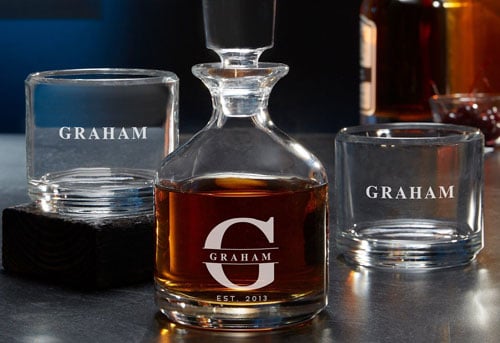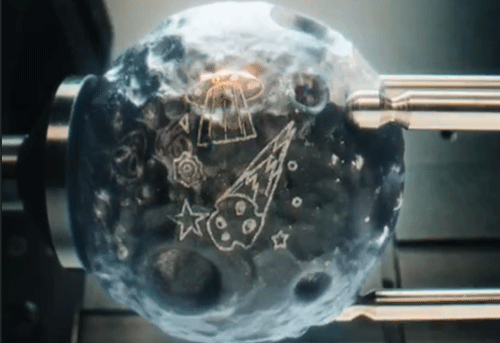
Laser cleaning technology is upgrading the restoration technique of metal, fabric, and fur. From removing rust and scratches on metal to gently renewing delicate fabric, modern fiber and UV laser engraving machines provide precise, efficient, and non-damaging solutions for professional restoration.
In this guide, we will share the key applications, advantages, and practical process of laser cleanin, helping you achieve precise and efficient results in your laser engraving business.
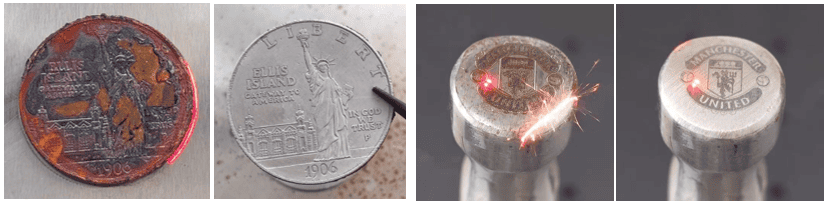
Core Applications of Laser Cleaning in Metal Restoration
1. Surface Scratch and Wear Repair
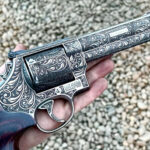
Metal parts often develop scratches or wear. Fiber laser cleaning can remelt scratched areas, allowing metal to reflow, fill micro-defects, and restore its original gloss and texture.
2. Rust and Oxide Layer Removal
Laser rust removal services can remove the corrosion or oxide layers without chemicals, preserving base material integrity while being environmentally friendly.
3. Restoration of Missing Markings and Engravings
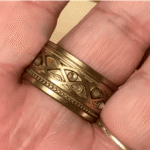
Faded serial numbers, logos, or patterns can be restored with industrial laser cleaning and engraving, enhancing readability for tools, molds, or mechanical parts.
4. Partial Repair of Molds and Tooling
Molds may develop minor dents over time. Laser restoration allows precise partial laser cleaning or repair without disassembing the entire mold, extending its life span.
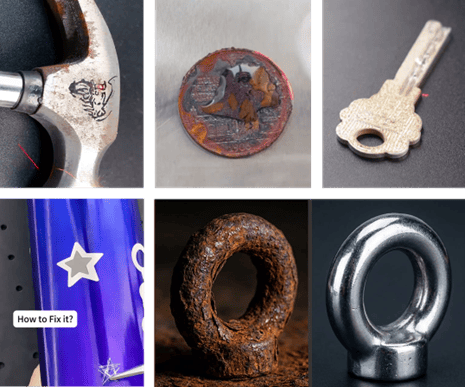
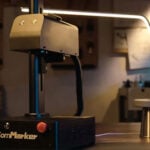
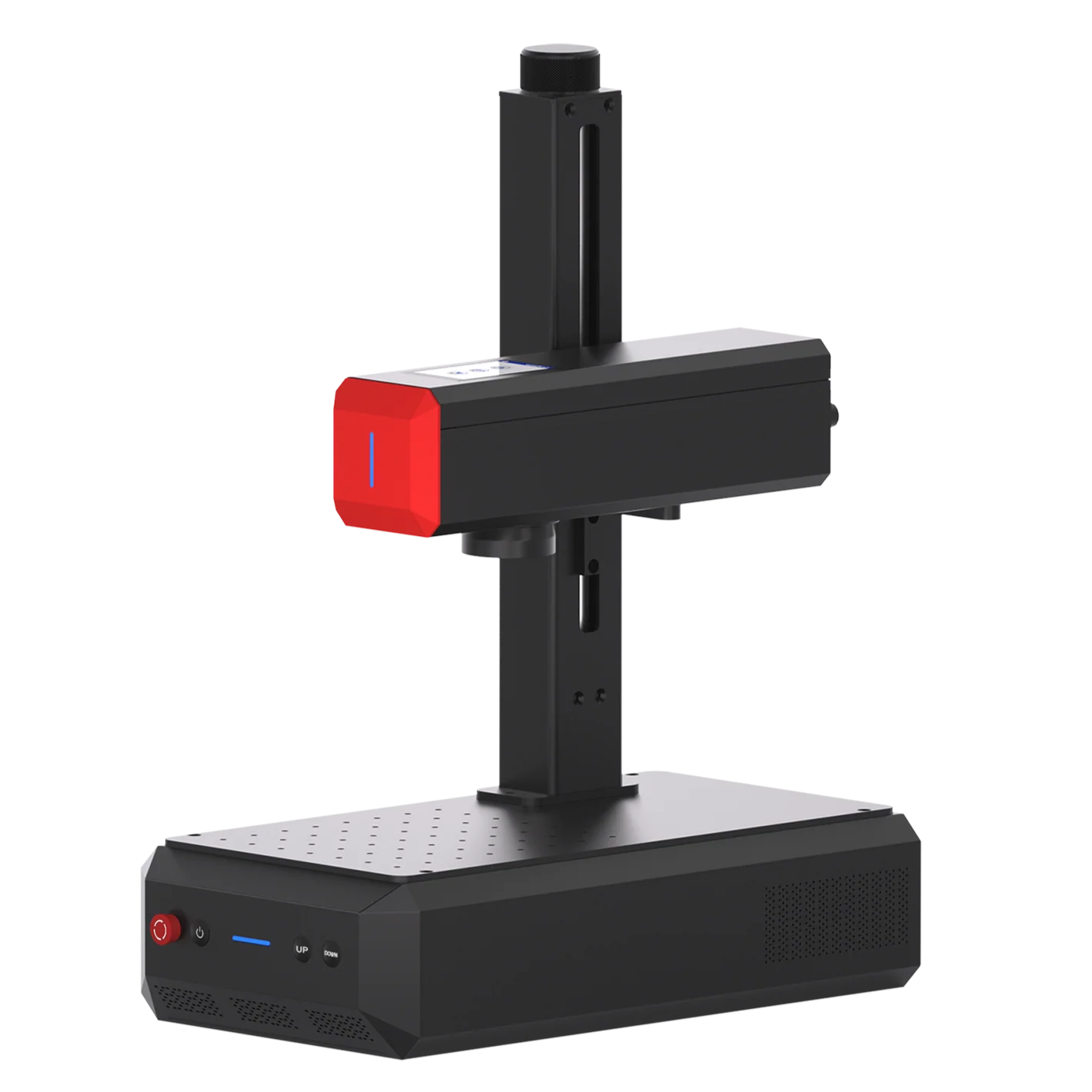
(Laser cleaning with ComMarker B6 fiber Laser)
Different Laser Types for Metal Restoration
Fiber Laser Cleaning Machines
In metal processing and restoration, maintaining accuracy and control is always a challenge.
Traditional methods such as grinding, welding, or chemical treatments often compromise between precision and efficiency.
Advanced industrial laser engraving technology now extends beyond metal laser cutting and engraving. It offers unique advantages for laser restoration services, defect masking, and marking repair.
Fiber laser engraving machines provide non-destructive cleaning with high precision. Their wavelength is highly absorbed by metals, enabling precise laser surface cleaning, remelting, and marking. Therefore ideal for removing scratches, oxidation layers, rust, and repair faded marks on metal.
Using pulsed laser cleaning or continuous wave laser cleaners, laser repair jobs can now achieve results that traditional approaches cannot match.
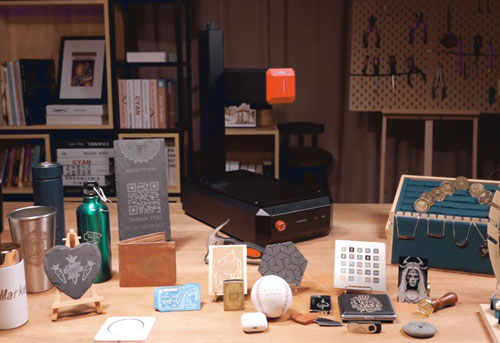
UV Laser Engraver
While fiber laser cleaning machines are the preferred solution for laser rust removal and metal restoration, UV laser engravers, with ultra-short wavelengths and “cold processing” characteristics, could minimize heat impact during laser rust removal or laser oxide removal.
This prevents deformation or performance decline, especially on delicate metal components. UV laser engravers offer lower single-pass efficiency is than high-power fiber laser engravers. They perform better for on-site laser cleaning for fabric and surface treatment of precision metal parts.
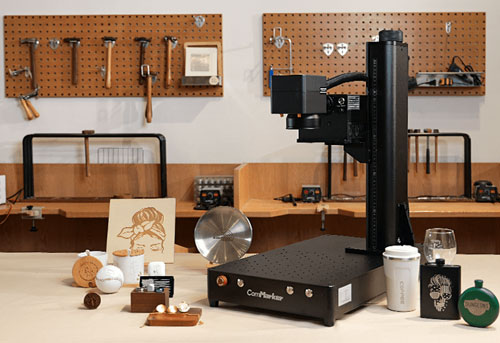
Advantages of Laser Metal Restoration
• High Precision: Spot sizes reach micrometer levels of 0.01mm, perfect for detailed repair.
• Minimal Heat Impact: Small heat-affected zone, avoiding deformation or performance change.
• Non-contact Processing: No mechanical stress, prevent secondary damage.
• Repeatable Results: Consistency repair effect, ideal for batch industrial cleaning services
• Eco-friendly: Reduces chemical use and waste
Step-by-Step Guide to Fiber Laser Metal Restoration
1. Damage Assessment: Identify scratches, rust, or faded markings. Determine the scope and depth of the repair.
2. Surface Cleaning: Remove oils and dust for effective laser cleaning.
3. Parameter Setup: Adjust power, frequency, speed, and fill. Test from low power.
Parameters for ComMarker fiber engraver rust cleaning:
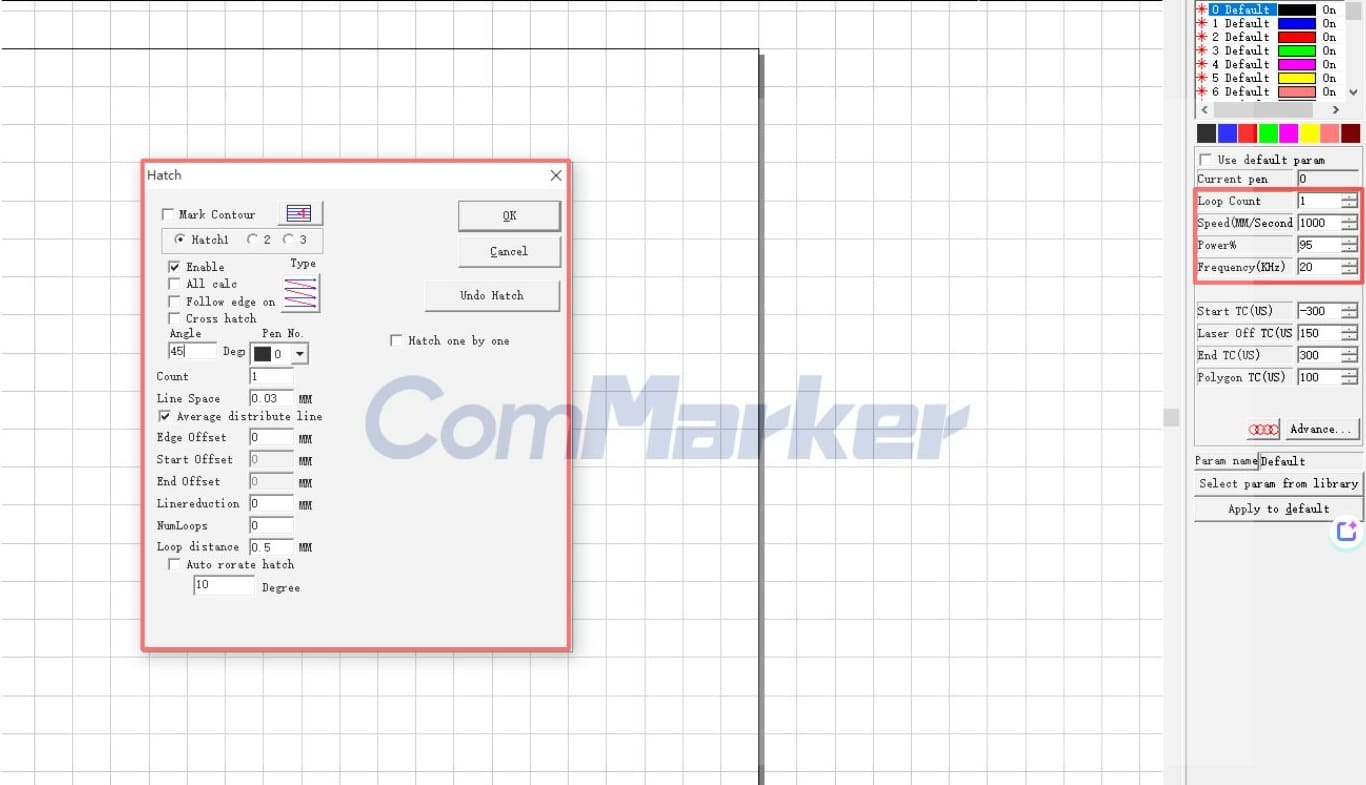
(Fiber laser engraving software settings for metal rust cleaning)
Run run continuously until the rust is cleaned. For MOPA fiber laser engravers, set the pulse width to 200.
4. Positioning & Calibration: Secure the workpiece for precise on-site laser cleaning. Set the focus onto the engraving area.
5. Laser Restoration: Arrange layered or point-by-point laser ablation process for repairs. Start the laser scanning process.
6. Inspection & Post-processing: Check surface smoothness and polish if needed.
Operational Tips: Use Layered processing for deep scratch to prevent damage. Pre-testing on scrap for best data.Choose pulsed laser cleaning for delicate heat input.
Core Applications in Fabric and Fur Restoration
1. Pilling Removal & Surface Refinemen
UV laser machines can gently remove fabric pills with non-destructive cleaning, restoring smoothness and texture. Perfect for wool, coats, and sofa.
2. Removal of Aged or Oxidized Layers
Laser oxide removal restores yellowed or aged surfaces on leather and fur without damaging the base material.
3. Worn or Faded Area Repair
Laser activation improves surface condition for areas with local wear or fading, providing a better attaching foundation for subsequent coloring and staining.
4. Mold and Stain Removal
Laser mold cleaning removes stubborn surface mold and stains, reducing chemical cleaner use on delicate fabrics or fur.

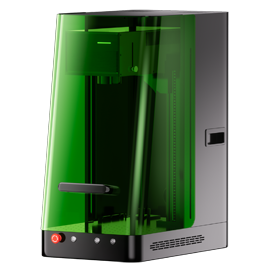
(fabric engraving and cleaning with UV laser engraver)
Advantages of Laser Fabric and Fur Restoration
• High precision on targeting specific areas with 0.0019mm spot size
• Non-contact processing to avoid fiber damage
• Controlled heat input for safe surface treatment with ComMarker Omni X Zeroburn technology
• Eco-friendly without chemical use
• Works on natural fibers, synthetics, leather, suede, and fur
Step-by-Step Guide for Fabric and Fur Restoration with ComMarker Omni X UV Laser Engraver
1. Material Assessment: Identify fiber type and damage severity.
2. Surface Cleaning: Remove dust and loose fibers; pre-clean stains.
3. Parameter Setup: Adjust pulse, speed, and frequency.
4. Test Area: Verify results on scrap material or inconspicuous areas.
5. Laser Restoration: Apply precise laser cleaner processing. For large areas, use a partal processing approach.
6. Post-treatment: Brush residue, steam finish, or recolor if necessary.
Operational Tips: Layered processing for thick aging layers, make sure precise focus for consistent treatment, keep the material flat while operating, and record the parameters for repeatable results.
Final thoughts: Choose the Right Laser Cleaning Machine for Restoration
For metal, fiber laser engraving machines offer precise energy control and compatibility with different metals, making them perfect as automotive restoration laser for aerospace laser cleaning, and marine laser cleaning.
For fabrics and fur, UV laser engravers with superior absorption in organic materials could provide precision restoration while minimizing heat impact.
From industrial laser cleaning machines to portable desktop laser cleaners, laser technology delivers an efficient, eco-friendly, and precise solution to extend the life of metal, fabric, and fur materials.