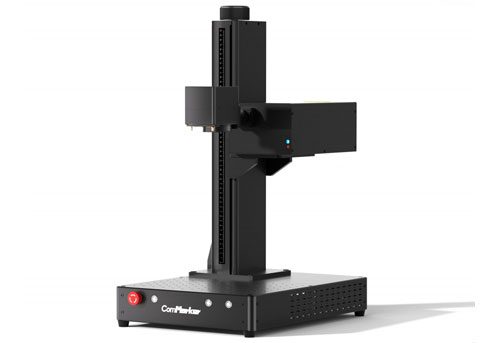
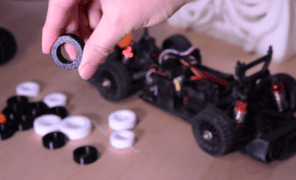
TPU is one of the most popular materials for laser engraving projects—from custom phone cases, livestock ear tags, to TPU 3D printed parts laser engraving.
Can TPU be laser engraved? Yes, But TPU is also one of the trickiest plastics to engrave well as it’s heat-sensitive and prone to melting, charring if not handled correctly.
With the right laser type, proper settings, and a few proven techniques, you can achieve crisp, durable, professional results.
This guide covers everything you need to know: the science behind TPU laser engraving, how CO₂, fiber, and UV lasers compare, and practical tips to avoid common pitfalls.
What Happens When a Laser Hits TPU?
When a laser beam hits TPU, the energy is absorbed and converted into heat. This triggers one or more reactions depending on the laser type and parameters:
|
Carbonization (charring) – The polymer thermally degrades, forming dark carbon marks. This is the most common mechanism for creating contrast on light-colored TPU. |
 |
|
Foaming – The TPU surface melts and expands into microbubbles, creating a raised, light-colored mark—especially effective on dark TPU. |
 |
|
Ablation (vaporization) – The laser removes surface material, leaving a groove. |
 |
|
Pigment bleaching or color change – The laser alters dye molecules in the material. |
 |
CO₂ Laser vs. Fiber Laser vs. UV Laser: Which Is Best Laser Engraver for TPU?
Each laser type interacts with the material differently, and choosing the wrong one can mean the difference between a crisp logo and a melted mess.
Quick Comparison Table
| Feature | ComMarker COX CO₂ Laser | ComMarker B6 MOPA Fiber Laser | ComMarker Omni X UV Laser |
| Wavelength | 10,600 nm | 1,064 nm | 355 nm |
| Works on TPU? | √(Grooving) | √(Carbonization & Foaming) | √(Foaming) |
| Cutting capability | √(Fast and clean) | × (Melts) | x (Slow) |
| Cost | $2999 | $2599 | $3599 |
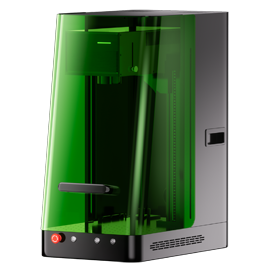
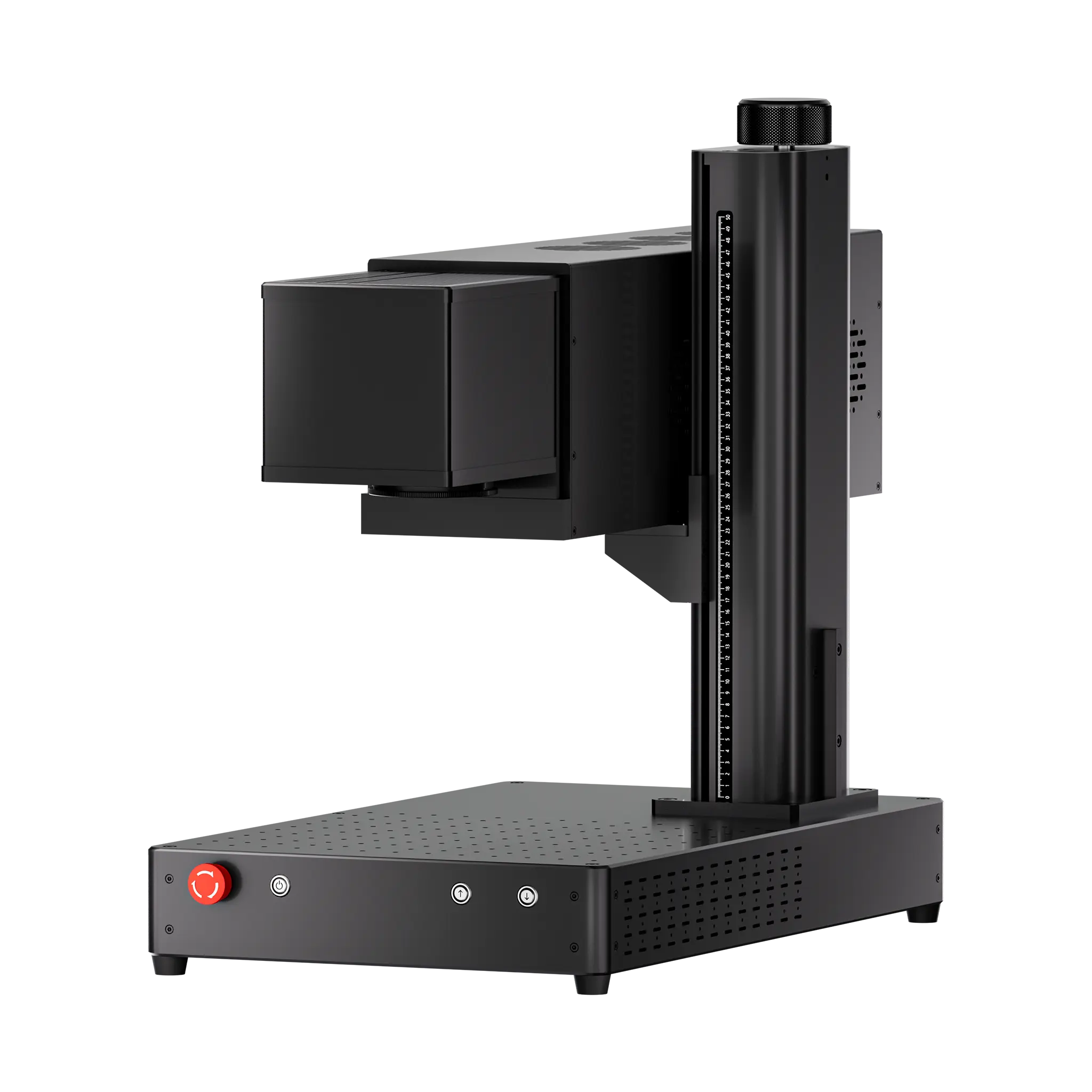
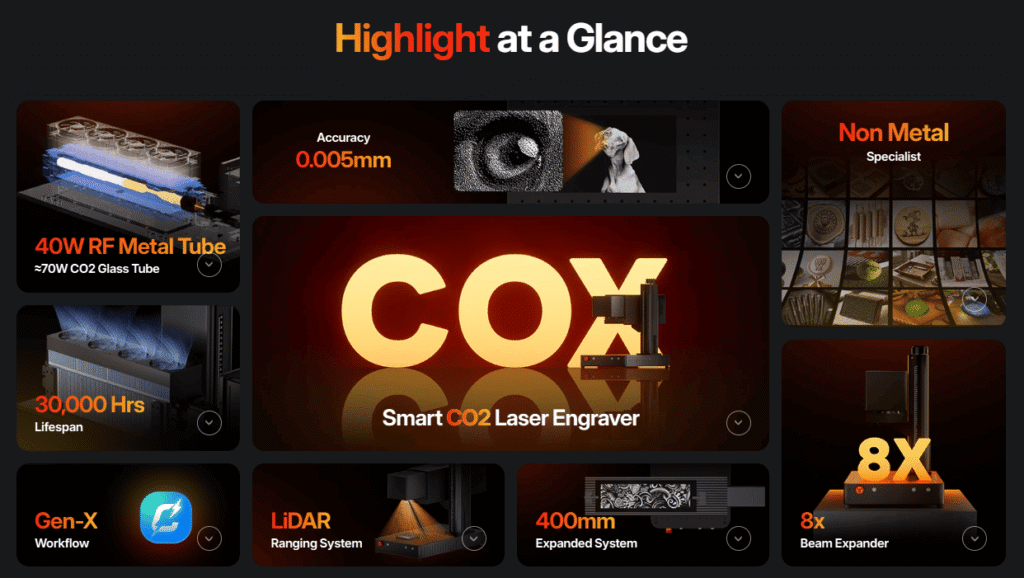
Choose ComMarker COX RF CO2 GALVO Laser: If you need touchable depth on batch engraved items
Effect on TPU: CO₂ lasers work primarily through thermal mechanisms, heating the material to create grooves and do cutting.
Strengths:
• Excellent laser wavelength absorption on TPU
• 15000 mm/s fast engraving speed for batch engraving tasks
• Versatile: Engrave, drill and cut TPU sheets
• Affordable and faster than UV systems
Weaknesses:
• Can’t create contrast marks
• Requires careful parameter tuning to prevent melting
Best for: Industrial TPU engraving, cutting TPU sheets and films, larger batch projects.
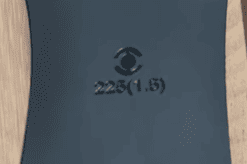
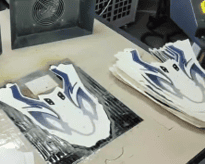
TPU laser engraving settings (for a 40W ComMarker COX CO₂ laser):
20% power, 1000 mm/s speed, 15 kHz frequency,0.03 line distance
 |
 |
Choose ComMarker Omni X UV Laser: If you need detailed marks
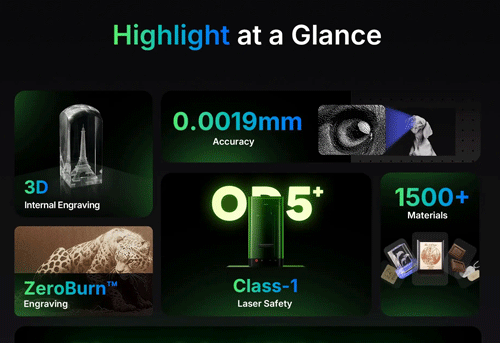
Effect on TPU: UV lasers produce exceptionally clean, high-contrast marks on TPU with minimum no heat-affected zone, melting, or charring. The short wavelength allows focusing to an extremely small spot size for fine detail.
Strengths:
• Minimal thermal damage: no melting or burning
• 0.0019 mm spot size for detailed TPU laser marking
• Capable of engraving transparent TPU sheets
Weaknesses:
• Higher cost compared to CO₂
Best for: High-precision marking requiring fine text and small 2D codes, heat-sensitive TPU applications, medical devices, electronic products.
ComMarker Omni X 6W UV laser engrave TPU-150mm lens:
Speed: 600; Freq: 40; Pulse: 2; Line Spacing: 0.025; Passes: 2

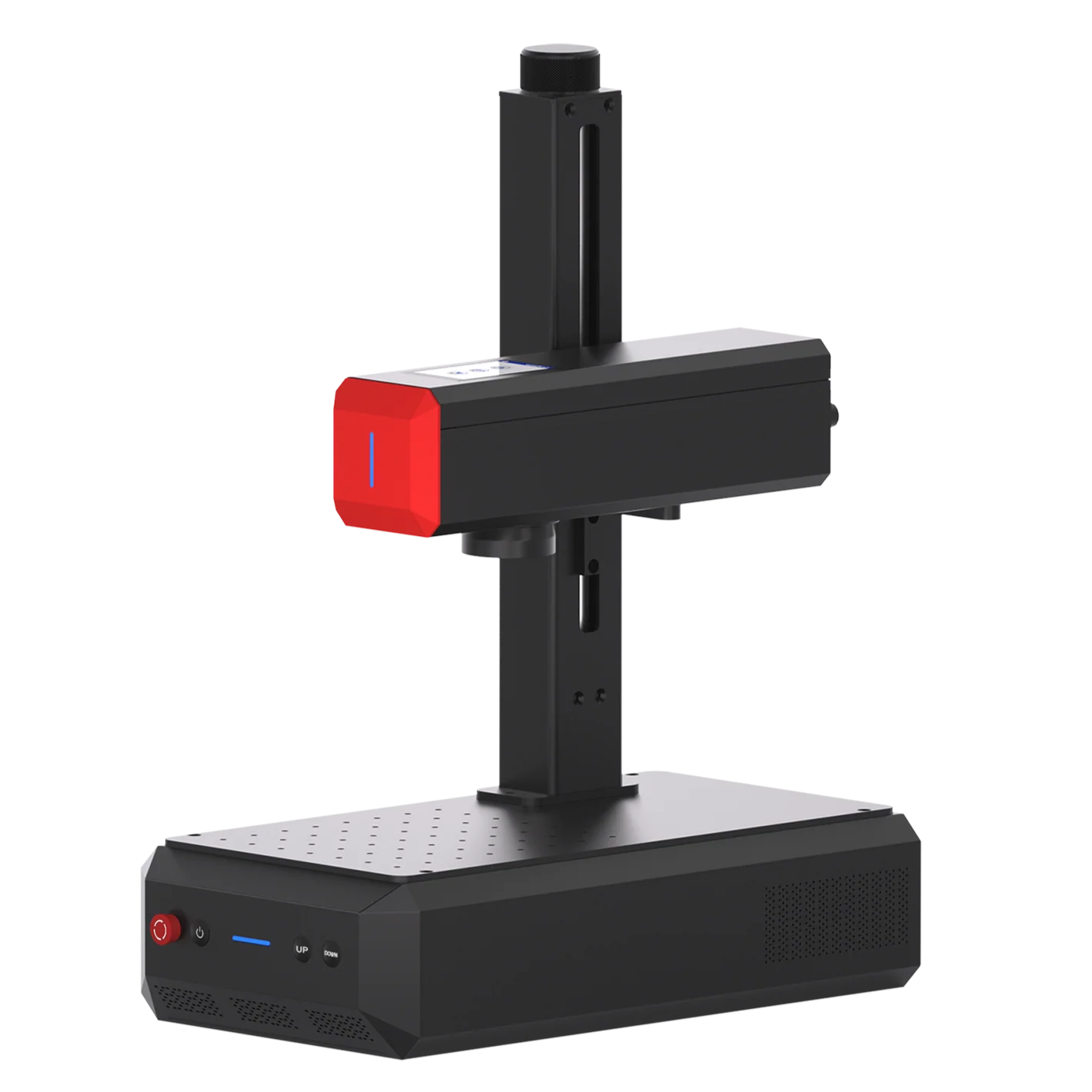
Choose ComMarker B6 MOPA Fiber Laser: If you handle TPU plastic and metal
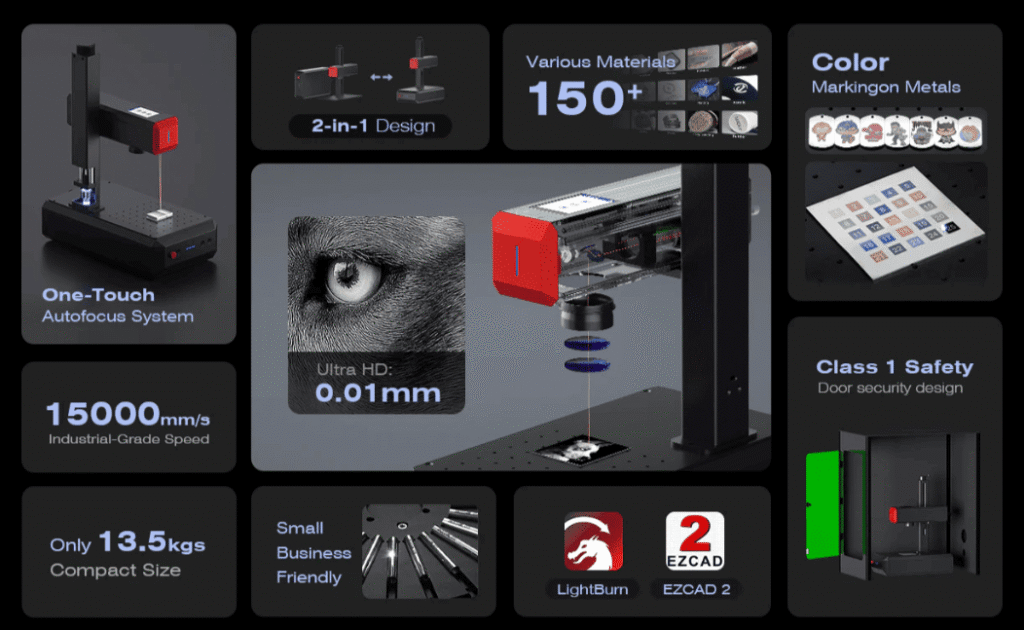
Effect on TPU: Fiber lasers can mark TPU. Creating dark marks on light TPU and white marks on dark ones. With additives, fiber lasers produce high-contrast marks through carbonization.
Strengths:
• 15000 mm/s fast marking speeds
• MOPA technology for detailed settings adjustment
• Capable of marking industrial plastic and metal
Weaknesses:
• Less precise mark than UV
• Require settings fine-tune to prevent over burn
• Can not engrave transparent TPU
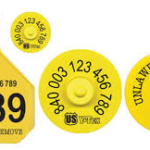
Best for: Industrial applications like livestock ear tags, high-volume serial number marking.
ComMarker B6 MOPA 20W Fiber laser TPU engraving setting:
1000 speed; 65% power; Freq 25, Pulse 10, Line distance 0.05.
Practical Engraving Tips for TPU
1.Color matters
Light/White: Higher laser intensity is required to burn out dark marks, but excessive heating can easily cause the material to scorch and turn yellow.
Dark/Black: Easy to make light-colored/white marks, and relatively easier to handle.
Intermediate colors (such as orange, blue, green, etc.): It is difficult to create high-contrast marks, they tend to turn into ugly brown tones, and it is impossible to precisely control the color direction.
2.Start Low, Go Slow
Always start with lower power and higher speed, then gradually increase power until you achieve the desired contrast. When the marking color is not dark enough, try to increase the frequency first. Reducing the speed may cause the material to overheat and melt.
3.Consider Defocusing Slightly
For CO₂ lasers, defocusing the beam by 1–2 mm can help reduce melting on heat-sensitive plastics by spreading the energy over a slightly larger area.
4.Verify TPU Grade
Some TPU contains fillers that improve laser marking; others don’t. Meanwhile when sourcing TPU for engraving make sure its laser safe.
5.Ventilation Is Essential
Like all plastic laser processing, TPU engraving releases fumes. Use a fume extraction system with HEPA and activated carbon filtration.
6.Use Laser Marking Additives When Possible
If you’re manufacturing TPU products or working with a supplier, specifying laser-marking-grade TPU with integrated additives will improve results. These masterbatches are typically dosed at 2–4% and produce permanent, abrasion-resistant marks that cannot be washed away.
Real Application Cases for TPU Laser Engraving
TPU’s flexibility, durability, and comfortable feel make it ideal for products that touch the skin or require repeated handling. Laser engraving adds customization, branding, and traceability:
• Phone cases – custom designs, logos, and names
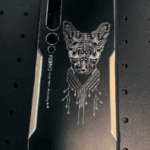
ComMarker Omni X UV Laser TPU phone case engraving
• Smartwatch bands – branding and personalization
• TPU ear tag laser marking – permanent ID and traceability marks
• Automotive interior components – soft-touch surfaces with logos
• Industrial identification parts – serial numbers and barcodes
Final Takeaways
TPU laser engraving is entirely achievable—but it requires the right combination of laser type, material formulation, and parameter tuning.
• If you need versatility and cutting capability, a ComMarker COX CO₂ laser is a solid choice, especially for general-purpose engraving and cutting.
• If you demand the cleanest, premium results with zero melting—especially on heat-sensitive or pure TPU—a ComMarker Omni X UV laser is the clear winner.
• If you’re working with both metal and industrial TPU in high volumes, a fiber laser offers speed and durability.
Start with conservative settings, document your results, and build a parameter library for each material you work with. With patience and the right approach, you’ll be producing professional-grade TPU engravings every time.