Looking to laser engrave 3D prints with precision? Or trying to get the most out of your 3D print laser engraver? 3D-printed plastics vary widely, and choosing the wrong laser engraver for 3D printer can cause burning, warping, or blurry marks. This guide walks you through which laser types work best with different 3D printing materials, and how to get sharp, permanent markings every time on your laser engraver 3D print projects.
3D-Printed Plastic Laser Marking: Performance of Different Laser Types
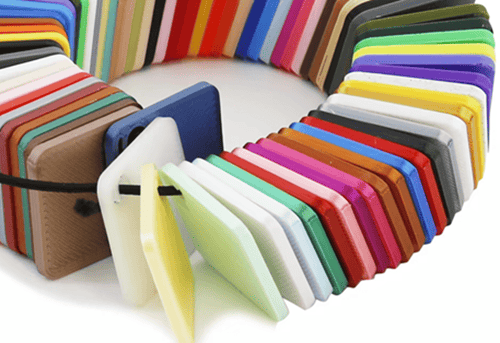
The core of laser engraving 3D prints is matching the laser wavelength with the material’s absorption. Most 3D-printed plastics are PLA, PETG, or ABS. The mainstream laser types are UV (355 nm), Fiber (1064 nm), diode (455 nm) and CO₂ (10.6 μm). Their compatibility and marking effects are as follows:
UV Laser Engraver: Best Choice for Precision and Material Compatibility
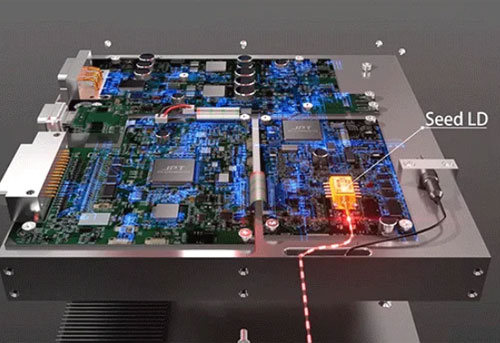
UV laser engraver operates at 355 nm wavelength and cold processing. It simply breaks molecular bonds in the plastic surface with almost no heat effect, therefore preventing melting or burning while offering the best engraving results.
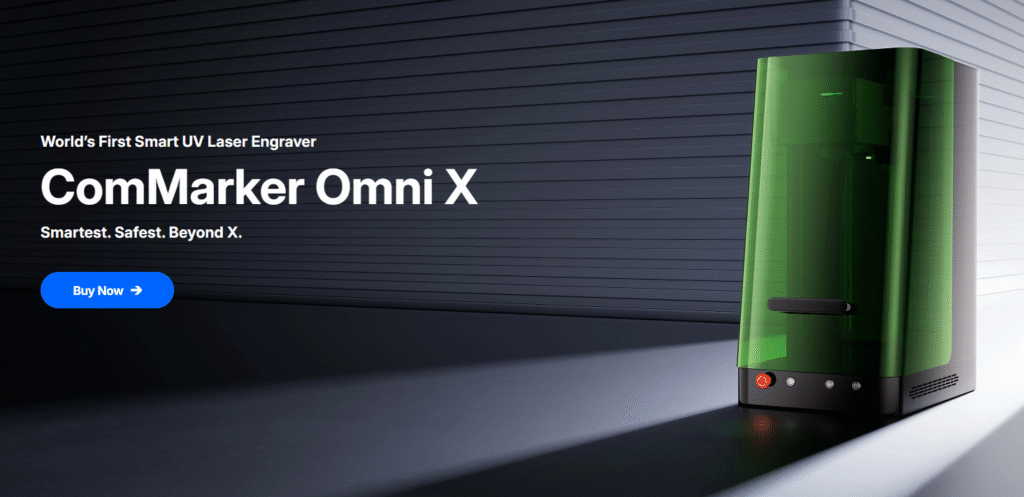
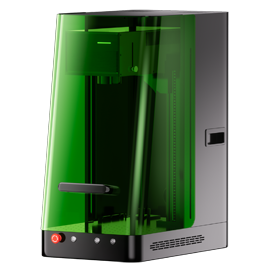
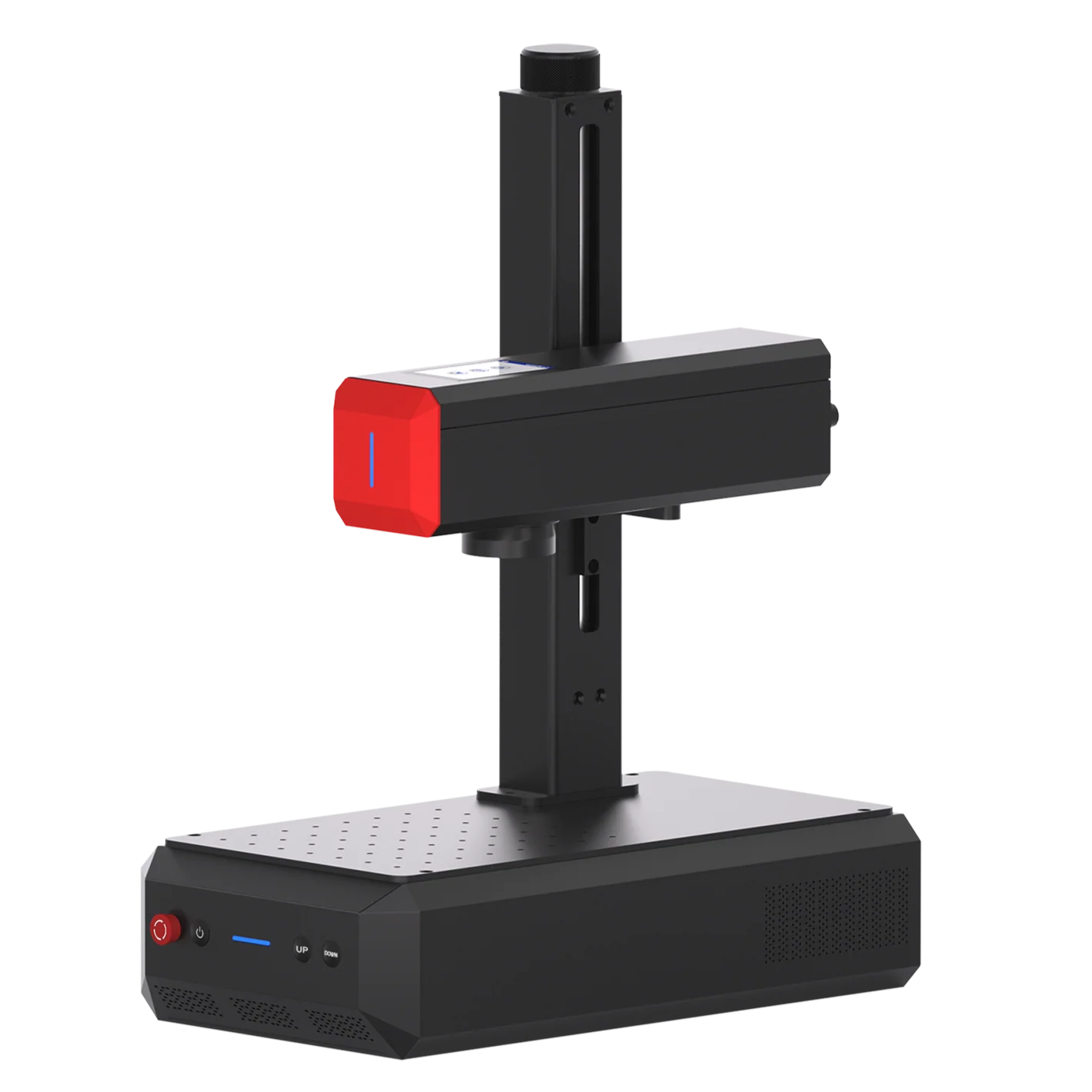
ComMarker Omni X UV Laser Engraver
• 16K HD Accuracy for 3D printed parts: You get spot size small as 0.0019mm
• ZeroBurn™ Engraving Technology for least damage
• Compatible Materials: Full range and color (PLA, PETG, ABS, PC, Nylon, etc.)
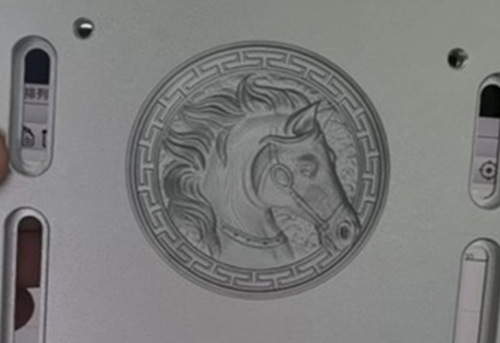
Effect: Sharp edges, high contrast, fine markings, black-on-white and white-on-black.
Limitations: Relatively high price.
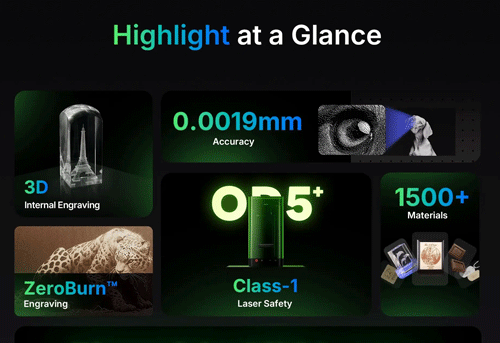
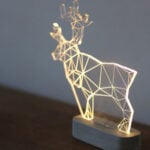
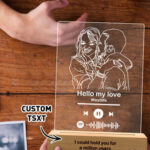
With a UV laser engraver, you also create products like 3d glass inner engravings, increasing revenue alongside your 3D print laser engraver items.
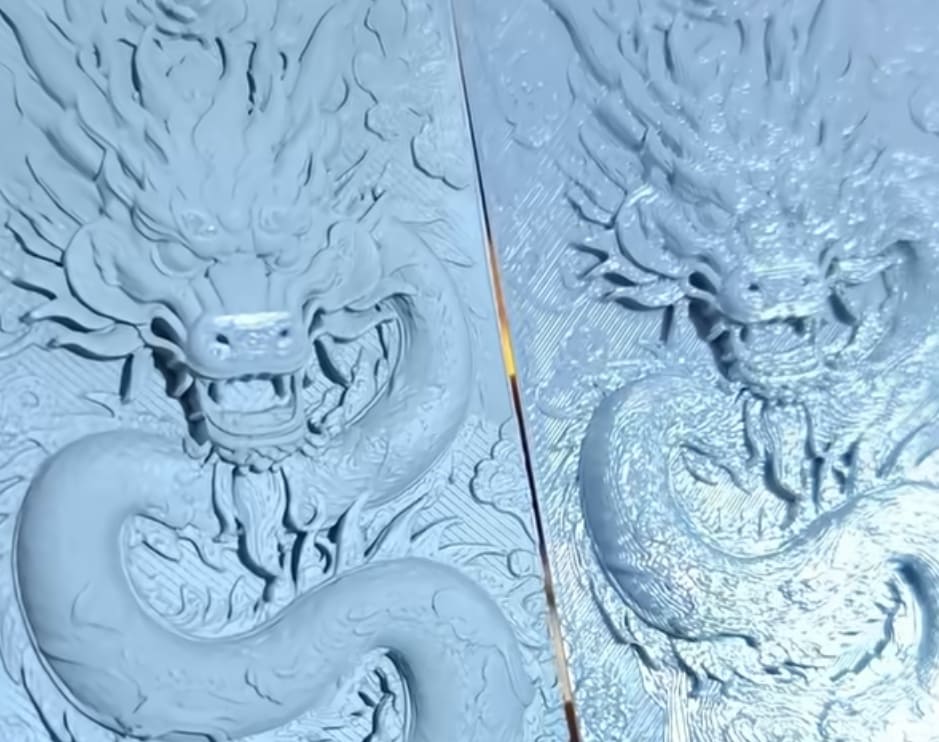
UV Laser Cleaning for 3D Print Layer Lines
Meanwhile, UV laser engraver can also help reduce visible layer lines on 3D-printed parts, reaching corners that are difficult for traditional polishing tools to access, improving both surface quality and processing efficiency.
Fiber Laser Engraver: Cost-Effective Option for Plastics and Metal
Fiber lasers are usually used for metal marking, but they also perform well on plastics. Compared with UV laser engravers, they are more affordable, but due to higher heat generation during processing, they require stricter parameter control and cannot achieve the same level of fine detail as UV lasers.
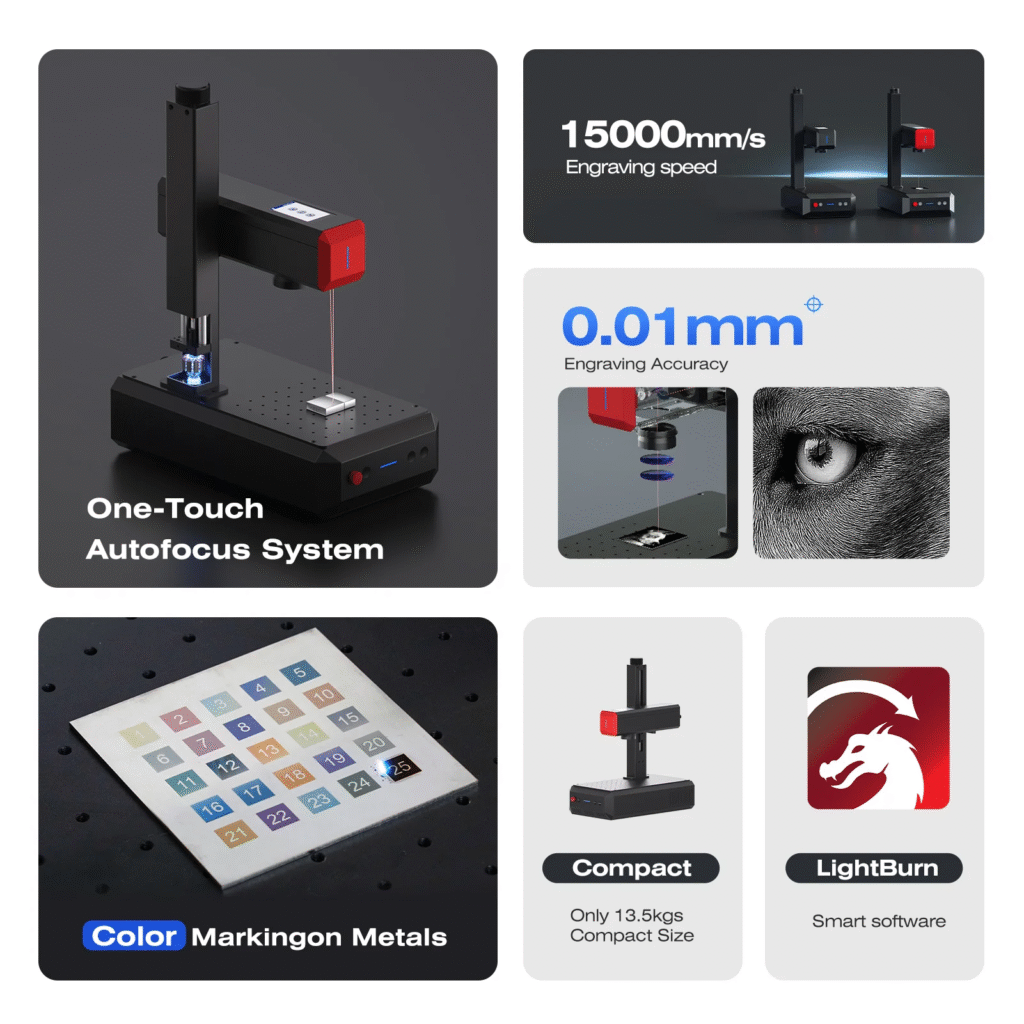
ComMarker B6 MOPA Fiber Laser Engraver
• 8K HD Accuracy with 0.01 mm spot size
• 15,000 mm/s fast engraving for batch engraving
• Compatible Materials: Colored ABS, PLA, PETG.
Effect: Clear black-on-white marking on colored plastics
Limitations: Not suitable for white/transparent plastics; risk of burning or melting
Less Suitable Option: CO₂ Laser Engraver and Diode Laser Engraver
You may heard about CO₂ lasers suitable for plastic engraving for their good plastic absorption at 10.6 μm wavelength. But in practice, the high heat easily melts 3D-printed parts.Same for diode laser engraver, they also produce heat-related melting, blurry edges, and low contrast groove instead of oxidation or foaming the surface to create marking effects.
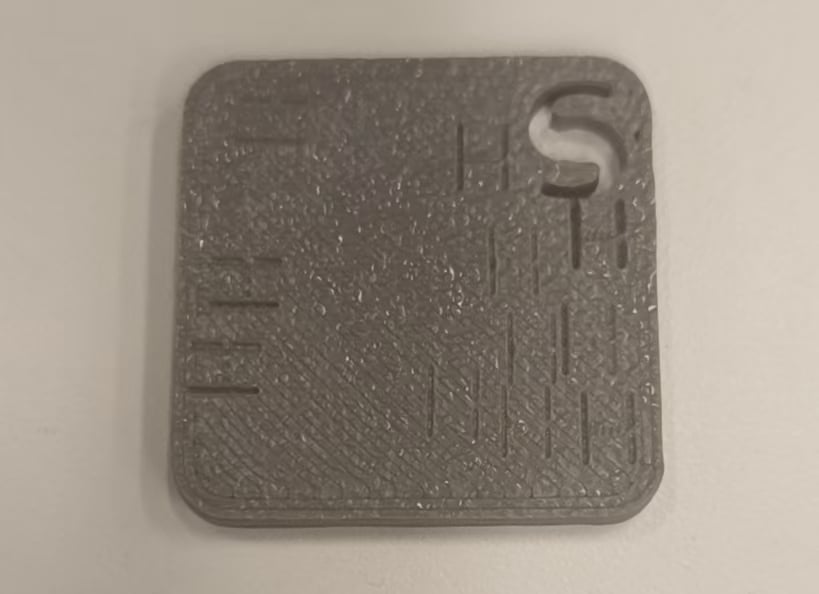
3D-Printable Plastics Suitable for Laser Marking
PLA Laser Engrave (Polylactic Acid) — Most Common 3D Printing Material
| Laser Type | Material Color | Power | Frequency | Speed | Q-Pulse | Line Interval |
| 6W UV Laser PLA engraving setting | \ | 40 | 6000mm/s | 1 | 0.03 | |
| 20w fiber | Black | 20% | 20kHz | 500mm/s | \ | 0.08 |
| 60w MOPA fiber laser | Black | 35% | 50kHz | 3400mm/s | 65 | 0.05 |
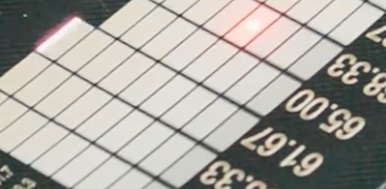
PETG Laser Engrave— Preferred for Transparent and Impact-Resistant Parts
| Laser Type | Material Color | Power | Freq | Speed | Pulse | Line Distance | Note |
| 20w fiber | Black | 25% | 15 | 1200 | \ | 0.15 | Slightly above surface |
| 30w MOPA fiber laser | Black | 25% | 200 | 3000mm/s | 25 | 0.05 | |
| 30w MOPA fiber laser | Blue | 50% | 100 | 1000mm/s | 25 | 0.05 | |
| 6W UV Laser PETG engraving setting | 25 | 1875 mm/s | 1 | 0.03 | Jarvis |
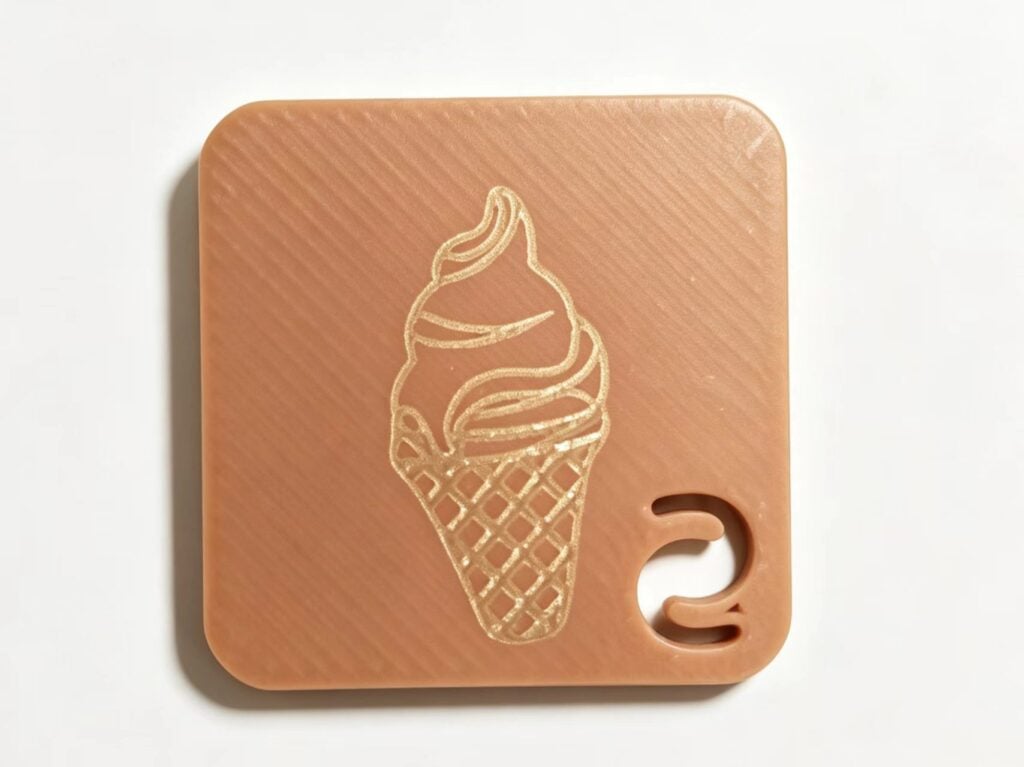
ABS Laser Engrave— Engineering-Grade 3D Printing Material
| Laser Type | Material Color | Power | Freq | Speed | Pulse | Line Distance | Note |
| 12W UV Laser Engraver-250mm Lens | White ABS | \ | 50 | 2000 | 15 | 0.03 | |
| 6W UV Laser Engraver-150mm Lens | White ABS | \ | 40 | 1000 | 15 | 0.03 | |
| 60W Fiber Laser Engraver-200 mm Lens | 15% | 30 | 500 | 0.03 |
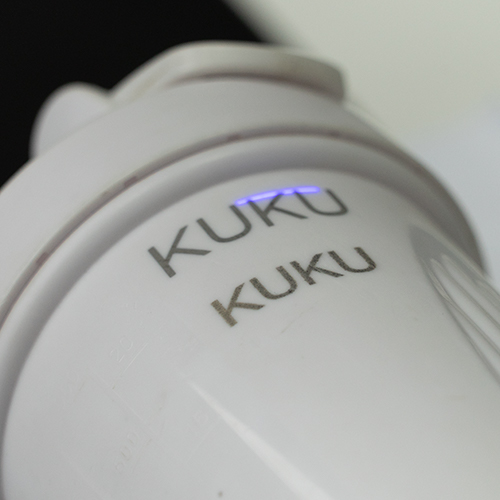
TPU Laser Engrave
5W UV laser engraver 70mm lens
Speed: 600
Freq: 40
Q-Pulse: 2
Line Spacing: 0.025
Passes: 2
Conclusion
For laser engraver 3D print marking, UV lasers (355 nm) are the all-around choice, compatible with PLA, PETG, ABS, PC, and almost all 3D printing materials. Fiber lasers are cost-effective for dark materials, while CO₂ lasers are relatively unsuitable for 3D-printed parts. Choosing the right machine and the right material ensures precise, high-contrast markings on 3D-printed parts with your laser engraver for 3D prints projects.