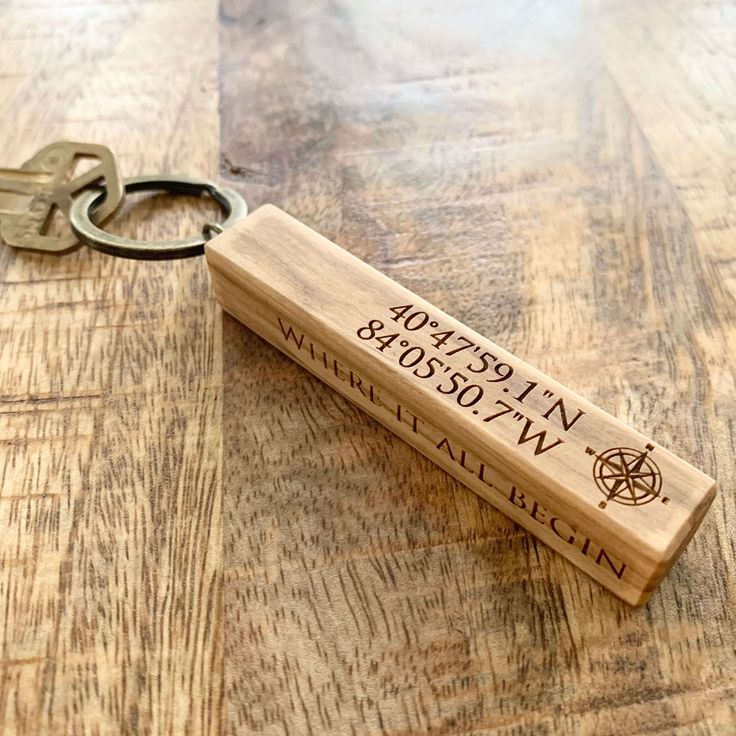
Silver is widely used for jewelry, gifts, decorative products, and other metal applications. However, its high reflectivity and thermal conductivity can make it more challenging to laser engrave than many other metals.
With the right laser and parameters, you can create text, logos, photos, patterns, and detailed designs on silver jewelry and other silver products. A MOPA fiber laser provides additional control over pulse width, making it easier to fine-tune the balance between marking speed, heat input, contrast, and detail.
This guide explains how to laser engrave silver, which laser engraver for silver to choose, what settings to test, and how to achieve more consistent results.
Can You Laser Engrave Silver?
Yes. Silver can be laser engraved with a fiber laser, but its high reflectivity and thermal conductivity require careful parameter testing. Meanwhile, for safety, must wear protective laser safety goggles during operation.
Depending on the laser and the desired finish, laser processing can create several different effects on silver.
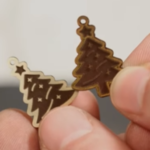
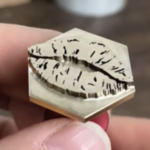
Silver marking
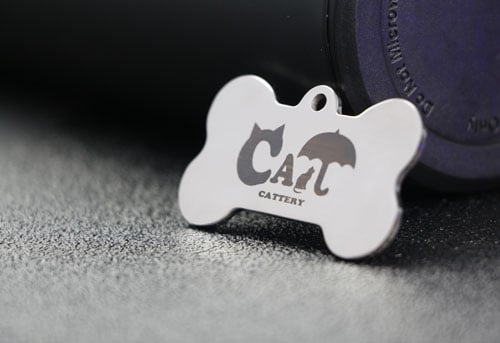
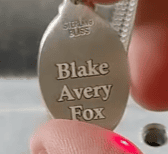
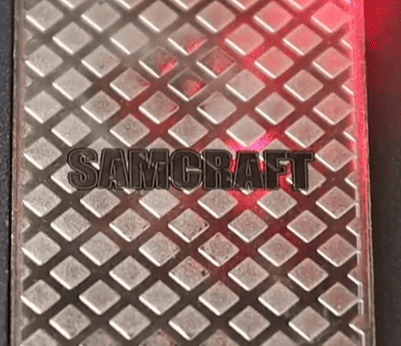
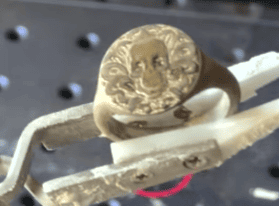
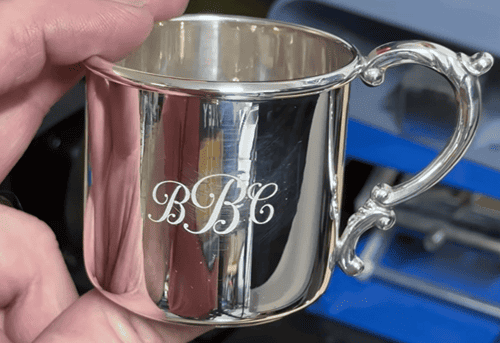
Laser marking modifies the surface of the silver to create text, logos, patterns, or images.
 |
 |
 |
|
White mark |
Black mark |
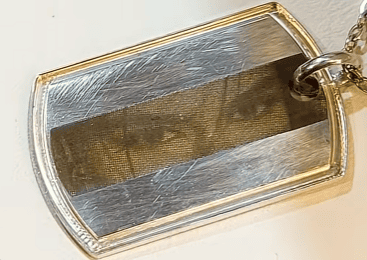
Photo Engraving |
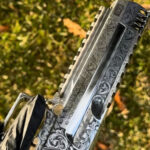
Silver Deep Engraving
Multiple passes can remove material progressively to create a deeper engraving or relief effect.
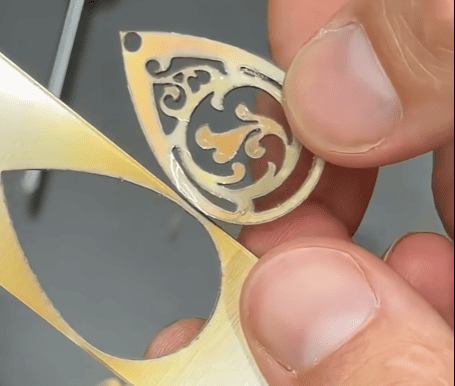
A sufficiently powerful fiber laser can cut suitable silver sheets and blanks, although cutting requires substantially more energy than surface engraving.
What Is the Best Laser Engraver for Silver?
For silver engraving, a fiber laser engraver is generally the most appropriate choice.
Fiber lasers are designed for metal processing and can mark materials such as silver, stainless steel, brass, copper, and gold.
A MOPA fiber laser provides additional control over pulse duration compared with a conventional fixed-pulse fiber laser. This flexibility can be useful when you need to tune marking contrast, heat input, surface appearance, and fine detail.
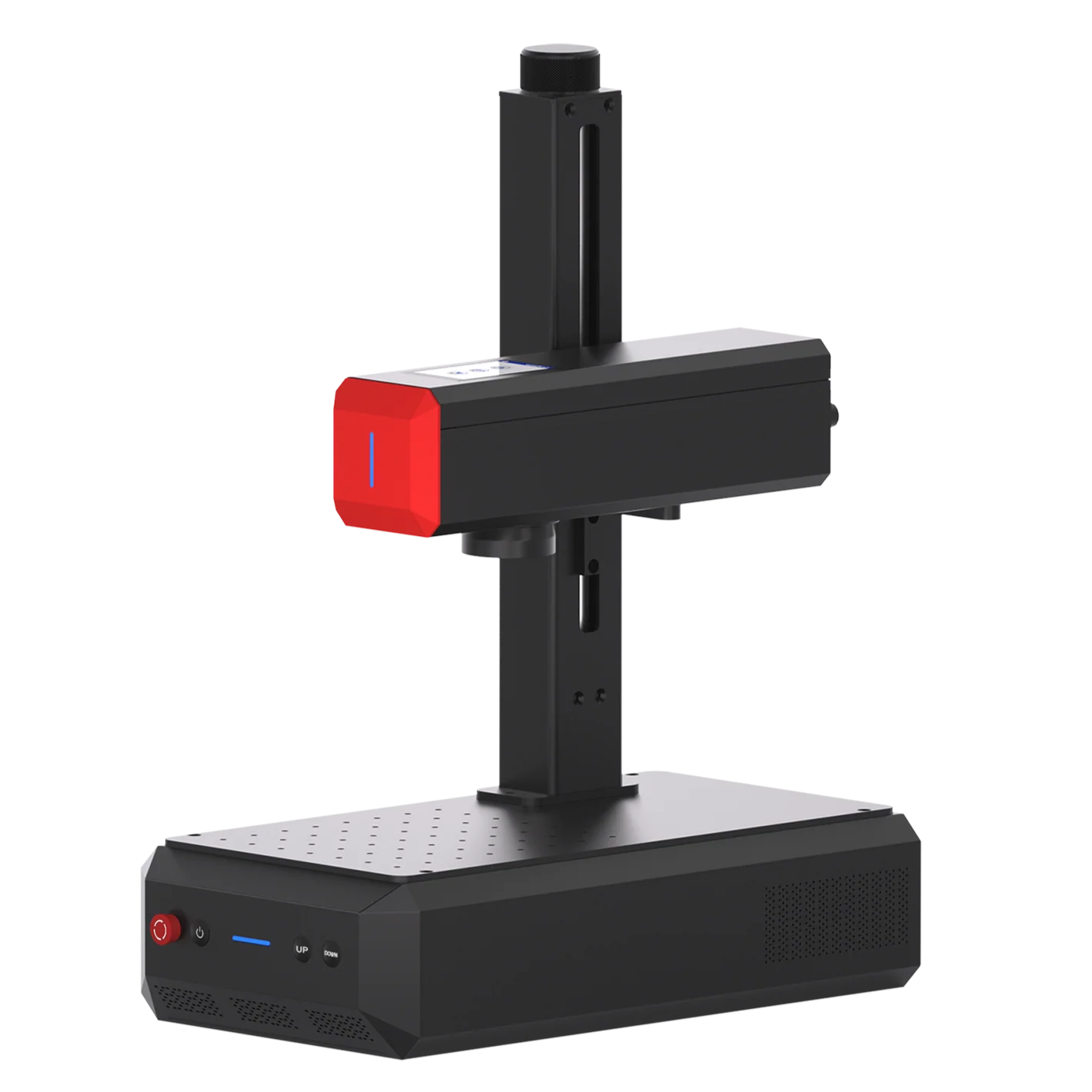
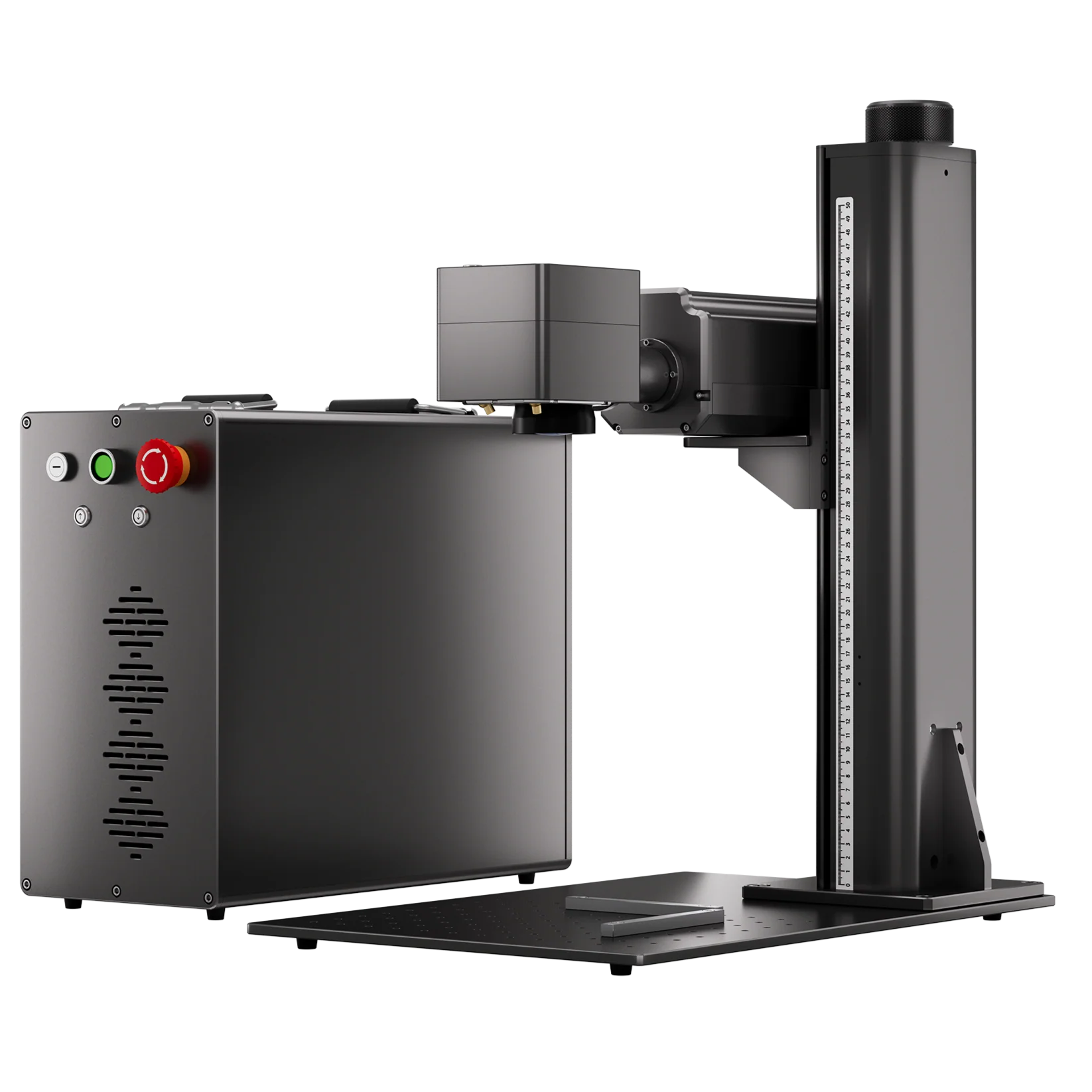
ComMarker B6 MOPA fiber laser
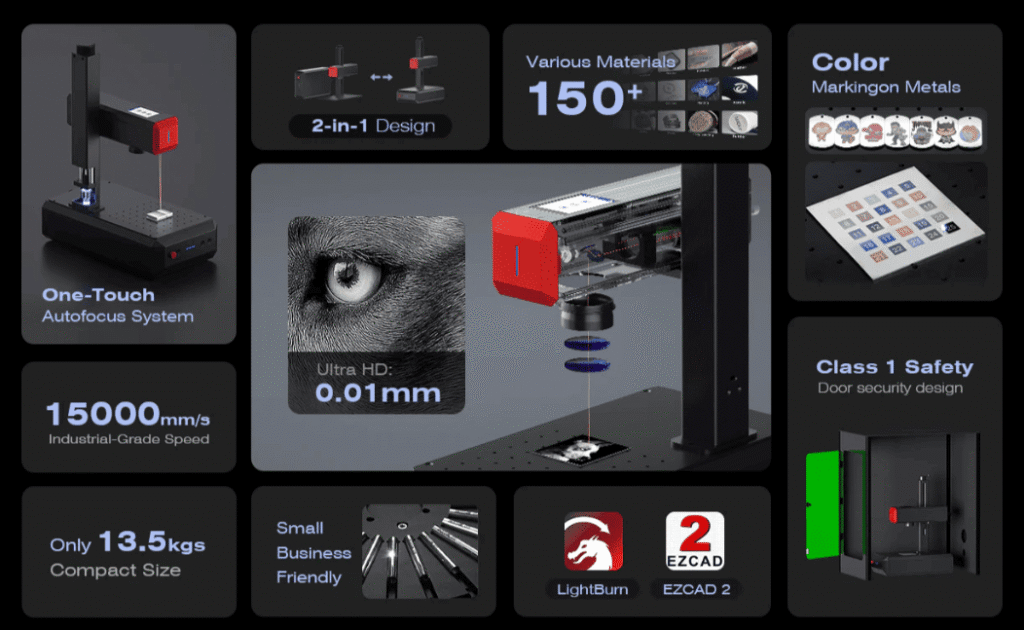
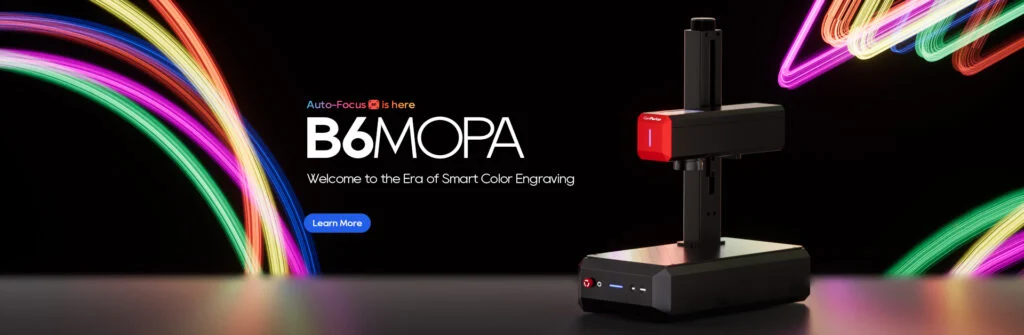
For jewelry makers and small businesses, the ComMarker B6 MOPA fiber laser is one option for silver engraving.
Key Specifications
• 20W/30W/60W MOPA fiber laser for silver marking, deep engraving, and suitable cutting applications
• JPT MOPA laser source with adjustable pulse width and frequency: More control over laser energy delivery helps fine-tune marking results on reflective metals.
• Up to 15,000 mm/s marking speed for efficient batch engraving
• Autofocus and portable design: Enables fast setup for studios, jewelry shops, and small production environments
How to Laser Engrave Photos on Silver with a Fiber Laser
Why Use Multiple Passes on Silver?
Although single pass can create marks on silver, as silver is highly reflective and dissipates heat quickly, a multi-pass workflow separates surface preparation, whitening, and image detailing into controlled stages. This improves energy coupling, creates a more suitable engraving surface, and helps preserve fine grayscale details in the final photo.
Step-by-Step Guide to Laser Engraving Photos on Silver
Step 1: Choose and Prepare the Photo
Choose a photo with even lighting and moderate contrast. Avoid extreme highlights and deep shadows.
Remove the background in Photoshop, then create a new document at the final engraving size, such as 60 × 60 mm at 300 DPI. Convert the image to black and white, slightly increase brightness, and reduce contrast to preserve more grayscale levels. You can also brighten important details, such as the eyes, using a soft brush.
Save this as Photo.jpg.
Step 2: Create a Photo Base
Create a second version using: Image → Adjustments → Threshold
Adjust the threshold until you have a clean black-and-white silhouette. Save it as Photo Base.jpg.
Step 3: Set Up the Image in EZCAD
Import the image as a raster file and set it to the same physical size used in Photoshop.
Enable: Gray, Pixel Power Adjustment and Disable Mark Low Gray Point to prevent the pure white background from being engraved as a rectangular box.
Step 4: Run Three Engraving Passes
First, engrave the Photo Base using a high-energy base pass. This helps reduce silver’s reflectivity and creates a better surface for detailed engraving.
30W Fiber-Speed:100mm/s; Power 90%; Freq: 25
Next, run the silhouette again using a whitening pass to create a brighter base.
30W Fiber-Speed:750mm/s; Power 25%; Freq: 50
Finally, import Photo.jpg and run the photo finish pass to engrave the grayscale details.
30W Fiber-Speed:150mm/s; Power 90%; Freq: 25
Step 5: Inspect and Fine-Tune
Clean the finished piece with a dry microfiber cloth and inspect the details under different lighting.
If a halo appears around the image, make the base and whitening layers slightly smaller than the final photo.
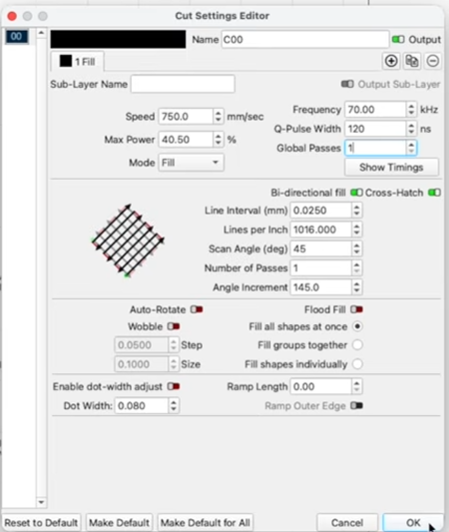
Silver Laser Engraving Settings
The correct settings depend on the silver alloy, surface finish, lens, desired depth, and engraving design.
You can use the following as starting parameters and test them on your specific material.
Machine: ComMarker B6 60W MOPA Fiber Laser
|
Application |
Power |
Speed |
Frequency |
Pulse Width / Q-Pulse |
Line Interval |
Passes |
|
Dark Marking |
60% |
200 mm/s |
45 kHz |
15 ns |
0.03 mm |
1 |
|
White Engraving |
40% |
750 mm/s |
70 kHz |
120 ns |
0.03 mm |
1 |
|
Silver Cutting |
50% |
100 mm/s |
37 kHz |
200 ns |
— |
Depending on thickness |
|
Deep Engraving/Marking |
100% |
750 mm/s |
65 kHz |
200 ns |
0.03 mm |
|
Note: These are starting parameters. Actual results vary with silver alloy, surface finish, lens, material thickness, and machine configuration. Test on scrap material before production.
Silver Laser Engraving Applications and Business Opportunities
Laser engraving silver goes beyond personalized jewelry. A fiber laser can process silver across jewelry, silverware, precious-metal products, and industrial components.
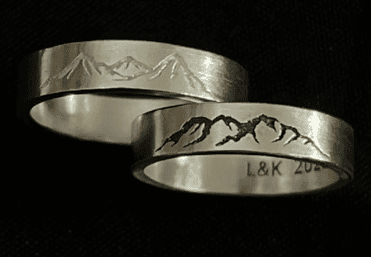
Jewelry Processing
A jewelry laser engraver can personalize rings, pendants, necklaces, bracelets, earrings, and charms with names, dates, logos, patterns, and portraits. Rotary attachments can also support engraving on curved rings and other cylindrical pieces.
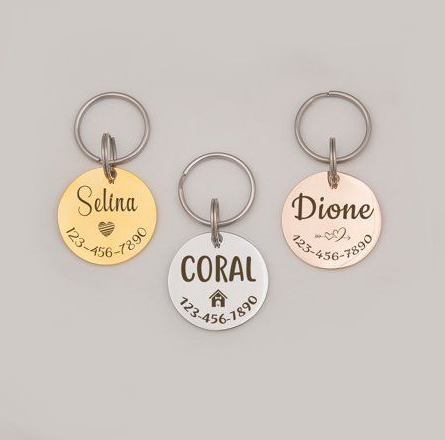
Silverware and Decorative Products
Laser engrave silver medals, cups, spoons, plates, ornaments, trophies, and gifts. You can customize these with logos, names, dates, and decorative designs. Digital laser processing is particularly useful for one-off orders and small batches.
Industrial Silver Components
Silver is also used in electrical, electronic, and precision components. A laser engraver for silver can create permanent serial numbers, part numbers, logos, DataMatrix codes, and other traceability marks.
For businesses handling different silver products, a silver engraving machine provides flexible, repeatable processing without dedicated physical tooling for every design.
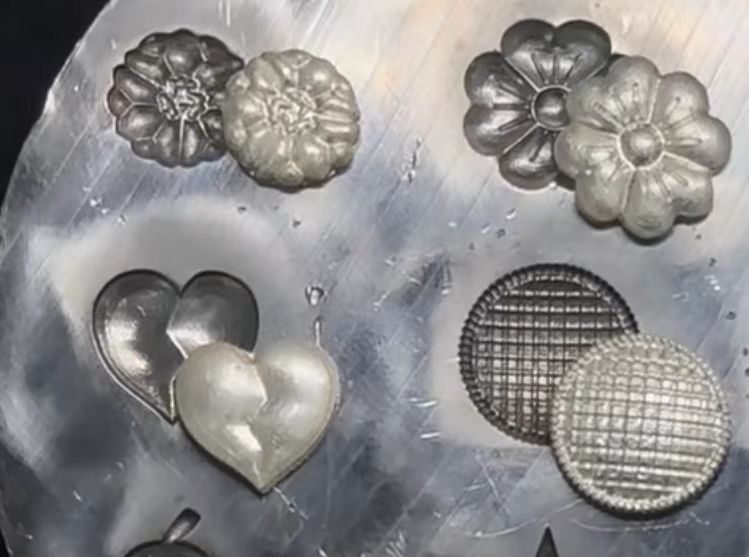
Fiber laser can also make Impression Dies for silver by deep 3D laser engraving, check detailed guide at: How to Make Custom Stamps with Fiber Laser Engraver
How to Get Better Results When Laser Engraving Silver
Silver’s reflectivity means parameter selection matters more than simply increasing laser power.
For fine jewelry engraving, a smaller lens such as a 110 mm or 150 mm lens may provide a smaller spot and more concentrated energy, which can help with fine details.
Slightly Tilt Silver When Laser Engraving
Highly polished silver can produce strong specular reflections. Slightly tilting the silver changes the reflection path, directing more of the reflected beam away from the laser head and reducing back-reflection risk.
This can also help maintain more stable processing and, in some setups, produce cleaner and more consistent engraving.
However, over tilting can affect focus and spot shape. In practice, within 1 mm on one side would be enough.
Final Thoughts
Laser engraving silver is a practical way to personalize jewelry and create detailed metal products, but silver requires more careful parameter selection than many less-reflective metals.
A MOPA fiber laser gives you additional control over pulse width and frequency, while a properly designed test grid helps you identify the settings that work best for your specific silver.
Whether you’re engraving a name on a pendant, adding a logo to a jewelry piece, or producing a batch of personalized silver products, the workflow remains the same:
Ready to Engrave Silver?
Explore the ComMarker B6 MOPA Fiber Laser and see how it can bring fine-detail metal engraving into your jewelry workflow.
Frequently Asked Questions About Laser Engraving Silver
What Types of Silver Can You Laser Engrave?
You can engrave common silver materials such as 925 sterling silver, fine silver, and suitable silver-plated products. However, alloy composition and surface treatment can affect the result. Silver-plated items require extra care because deep engraving may expose the underlying metal.
Can You Laser Engrave Silver-Plated Items?
Yes, but silver-plated items require more careful testing. Silver plating thickness can vary significantly between products, so there is no universal setting.
Before production, check whether the item has an additional protective lacquer or other surface coating. These factors can affect the laser marking result. If you want to preserve the silver appearance, start with a low power.
If exposing the base metal is intentional, test the engraving depth carefully and confirm that the exposed substrate produces the appearance you want.
How Do You Clean Silver After Laser Engraving?
After engraving, remove loose residue and clean the piece using a jewelry-safe method appropriate for the silver and its surface treatment. Dry it thoroughly and polish the surrounding surface if needed. Avoid aggressive polishing that could soften the edges of a fine engraving.
Why Is My Silver Engraving Too Light, Uneven, or Blurry?
Weak or inconsistent results can come from insufficient energy, incorrect focus, excessive heat, material movement, or differences in alloy and surface finish.
How Do I Get the Best Results When Laser Engraving Silver?
Use the same silver alloy and surface finish that you will use in production, run a small parameter test first, and record the settings that produce the desired contrast and depth. For valuable jewelry, always test before engraving the final piece.
How much silver is lost during engraving?
Research published through The University of Manchester has shown that optimized powder delivery and recovery systems in laser metal processing can significantly improve material utilization and reduce metal waste during production.