Silicone is widely used in smartwatch bands, kitchen tools, industrial seals, keypads, and medical components for its flexibility, durability, and heat resistance.
Yes, it’s laser-friendly. However, silicone is more difficult to laser engrave because different formulations, colors, and hardness levels absorb laser energy differently.
UV laser engraver creates detailed marks on the surface, while CO2, diode and fiber laser are more well-defined at carving.
In this blog, we’ll delve into best laser engraver for silicone, recommended silicone engraving settings and Common engraving problems and solutions.
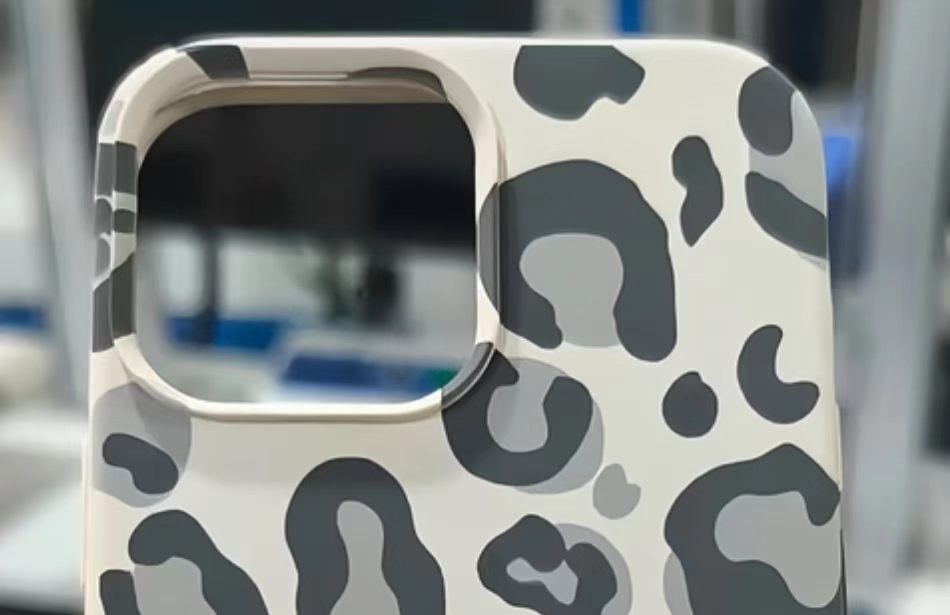
The Compatibility of Silicone with Laser Engraving
Why Is Silicone Difficult to Laser Engrave?
Silicone behaves differently from many common engraving materials because of its unique physical properties of:
• Low thermal conductivity
• Flexible molecular structure
• Different formulations depending on additives and manufacturing processes
As a result:
• Excessive laser energy can cause burning, melting, or rough edges.
• Insufficient energy may produce weak contrast or inconsistent marks.
• Different silicone colors and hardness levels can require completely different parameters.
Quick Answer: Which Laser Is Best for Silicone Engraving?
The best laser for silicone depends on your application, production volume, and required engraving quality.
|
Laser Type |
Silicone Performance |
Best Applications |
|
CO2 Laser |
★★★★★ |
Engraving silicone with depth |
|
Fiber Laser |
★★★☆☆ |
Industrial silicone markings |
|
UV Laser |
★★★★☆ |
Detailed silicone surface marking |
|
Diode Laser |
★★★☆☆ |
Hobby projects and occasional engraving |
Bottom line:
For businesses that mainly process silicone products, a CO2 laser is usually the most reliable and productive choice.
However, if silicone is only a secondary material in a metal-focused workshop, a fiber laser or a UV laser can be a suitable alternative after material testing.
CO2 vs UV vs Fiber Laser for Silicone Engraving
CO₂ Laser: The Best Overall Choice for Silicone Processing
|
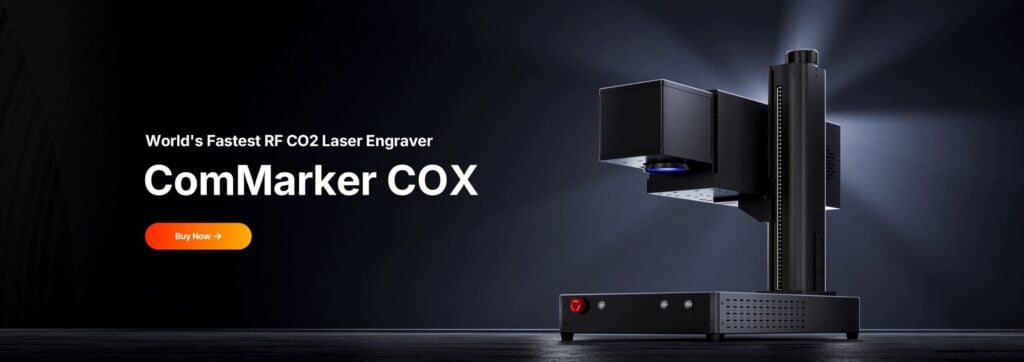
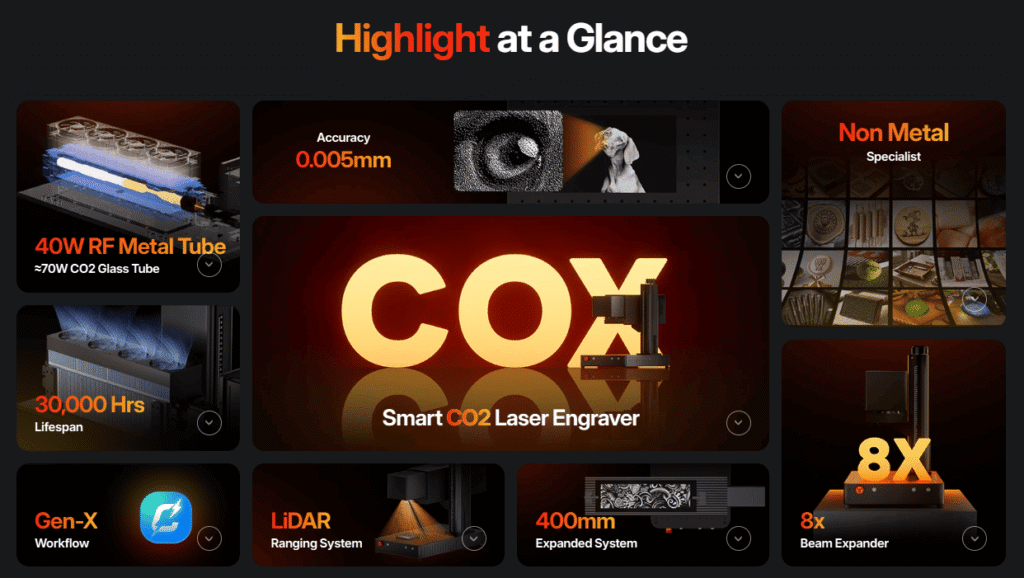
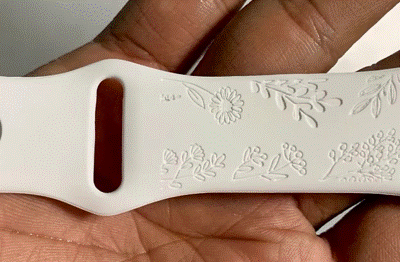
For most commercial silicone engraving applications, CO₂ lasers deliver the most consistent results. CO₂ lasers operate at a wavelength of 10,600 nm, which silicone absorbs effectively. This allows efficient energy transfer, creating clean material removal, high engraving contrast, and reliable production results. For businesses producing silicone products regularly, the ComMarker COX RF CO₂ Galvo Laser provides high-speed processing with consistent engraving quality.
Key advantages include: • RF metal tube CO₂ laser source with up to 30,000-hour lifespan, providing stable performance for long-term production use. |
Best Applications CO₂ lasers are commonly used for: • Silicone seals and gaskets |
UV Laser: Best for Fine Silicone Marking Applications
|
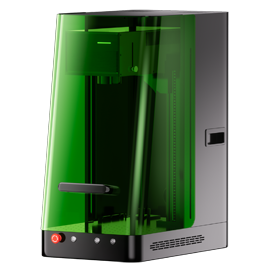
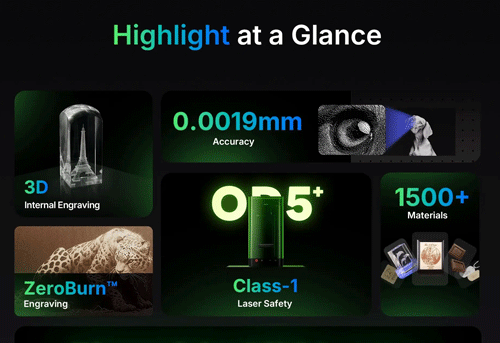
UV lasers operate at 355 nm, producing a smaller heat-affected zone compared with many other laser types. However, silicone does not always absorb UV energy efficiently. Compared with CO₂ lasers, UV engraving is typically shallow, making it a specialized solution for silicone production. For businesses requiring high-detail silicone marking with minimal thermal impact, the ComMarker Omni X UV Laser provides exceptional precision.
Key advantages include: • 0.0019 mm ultra-fine laser spot size, allowing sharp reproduction of small text, thin lines, and complex patterns. The Omni X is best suited for applications where engraving detail and surface quality are more important than maximum production speed. |
|
Fiber Laser: Best for Metal Workshops Processing Silicone Occasionally
|
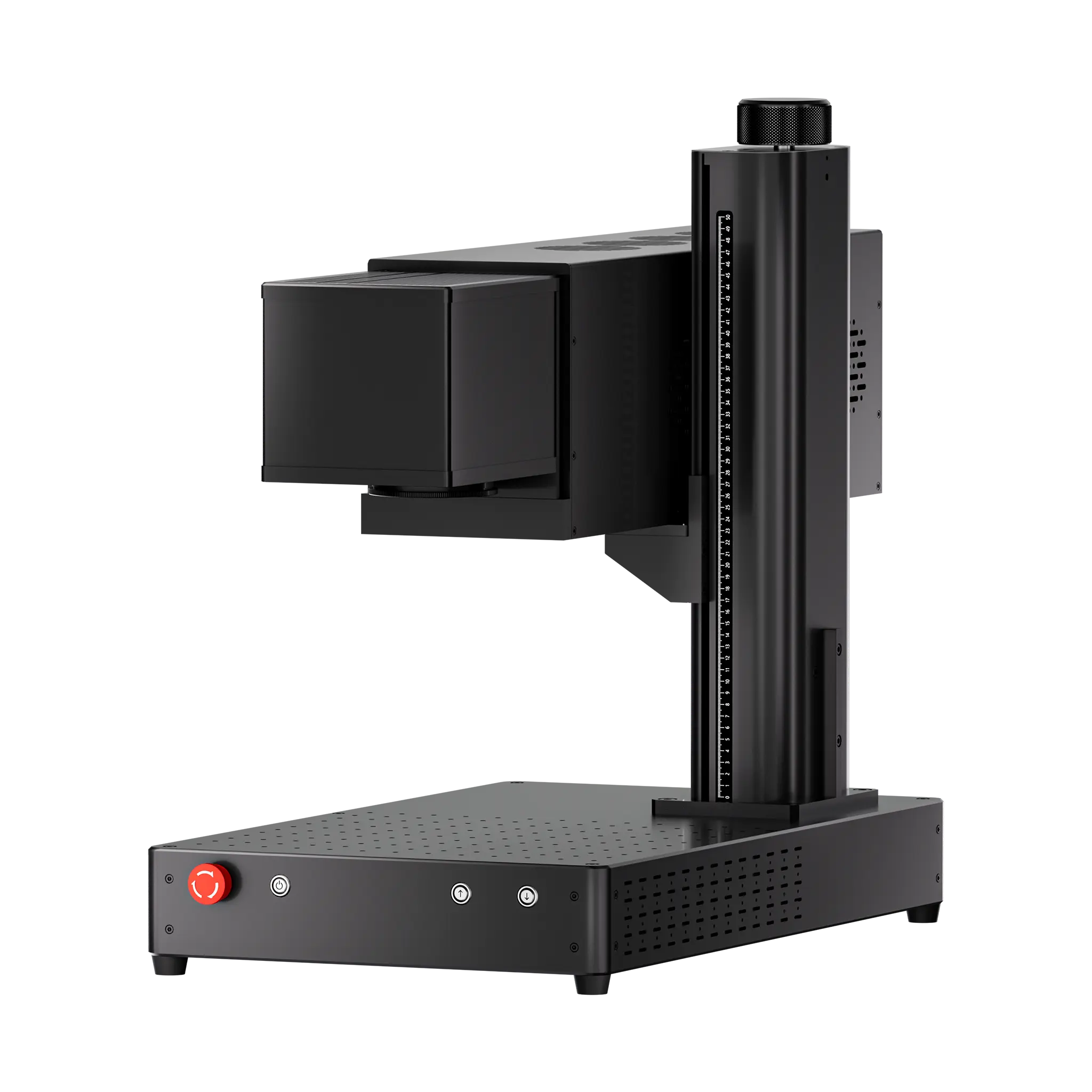
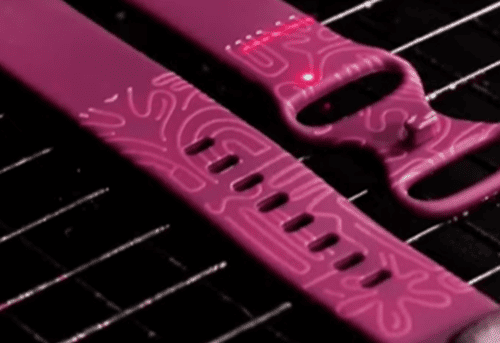
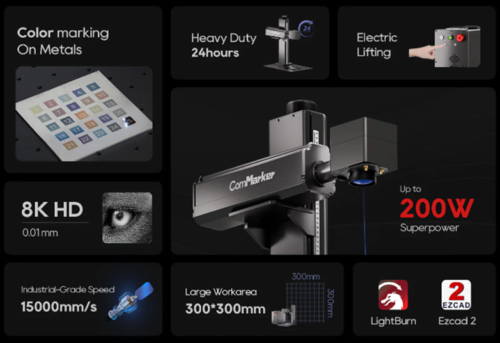
Although fiber lasers are mainly designed for metal engraving, they can produce excellent results on certain silicone materials, especially black silicone surfaces. However, fiber lasers are less universal for silicone compared with CO₂ lasers. Performance depends heavily on silicone color, surface coating, additives, and required engraving depth. For businesses where metal engraving is the primary application and silicone is an occasional requirement, the ComMarker Titan Fiber Laser provides excellent material flexibility without requiring a separate silicone engraving machine.
Key advantages include: • Up to 200W fiber laser power, delivering high energy density for deep engraving on stainless steel, brass, and other metals while supporting specialized silicone marking applications. |
Typical Applications • Silicone keypads |
Silicone Laser Engraving Starting Parameters
There is no universal parameter set for silicone engraving due to different composition and color
The following values should only be used as starting points. Always test your actual material before production.
|
Parameter |
Diode laser |
CO2 laser |
UV laser |
Fiber laser |
|
|
Lens |
|
140mm |
70mm |
110mm |
|
|
Laser Output |
10W |
40W |
5W |
20w |
50w |
|
Power Setting |
80% |
50% |
Pulse 10 |
50% |
20% |
|
Speed |
200 mm/s |
1000 mm/s |
800 mm/s |
500 mm/s |
800mm/s |
|
Pass |
2–3 |
1 |
2 |
1 |
1 |
|
Frequency |
|
10 |
30 |
200 kHz |
|
|
Line distance (mm) |
0.08mm |
0.03 |
0.025 |
0.1 |
|
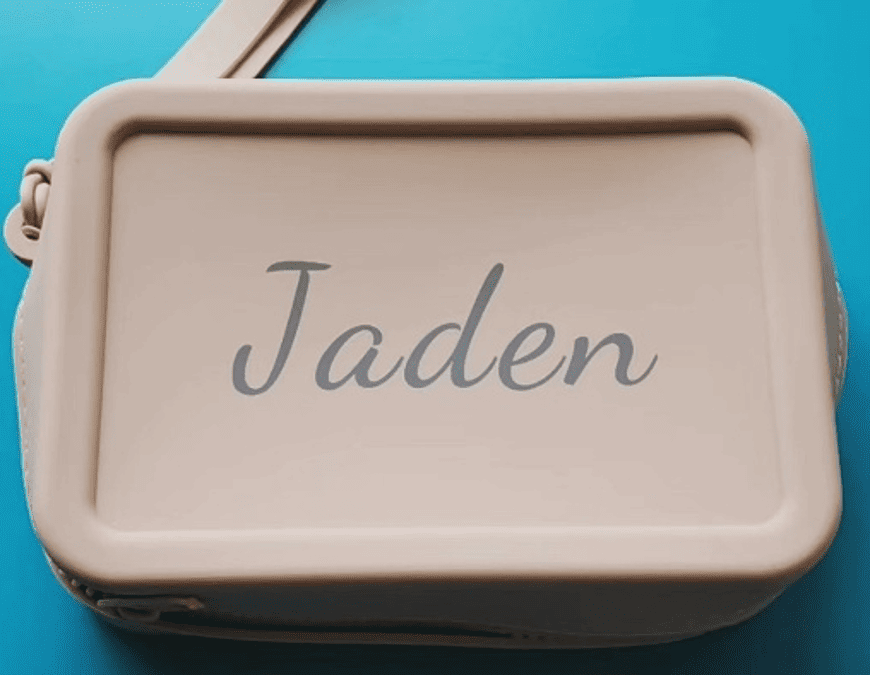
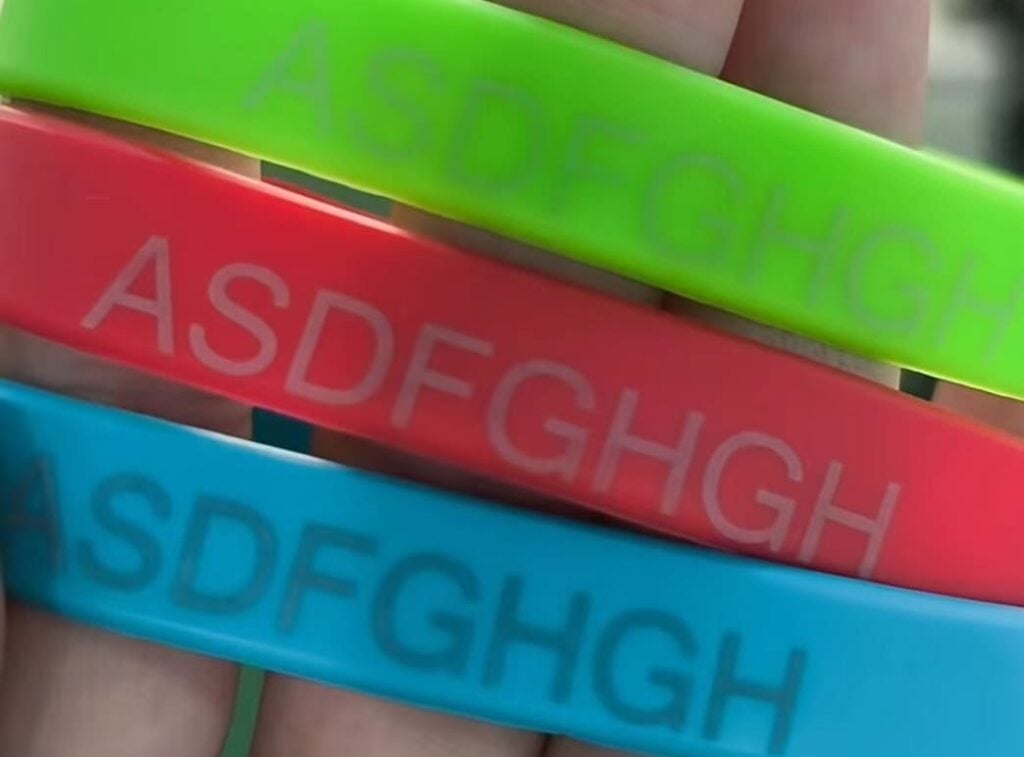
5W UV Grey Mark on White Silicone setting: Freq 40, Pulse 1, Speed 5000, Line interval 0.03, flood fill, crosshatch, bidirectional, 1 Pass.
Responses of Silicone to Laser Engraving Based on its Composition and Color
• Dark-colored silicone soaks up all that energy and leaves behind some seriously bold marks.
• But if you’re dealing with lighter shades, you might need to tweak the settings to make sure your design really pops. However, lighter-colored silicone may require adjustments to laser settings to ensure sufficient contrast and visibility of the engraved design.
• Additionally, additives such as pigments or fillers present in silicone formulations can impact its engraving properties, so careful consideration and testing are required to achieve desired results consistently.
How to Adjust Silicone Engraving Parameters Like a Pro
Lasers are intense focused beams of light that unlock many doors of creative possibilities, but achieving those perfect-looking results requires optimal machine settings of parameters such as power, speed, and frequency
Fine-Tuning Speed:
If silicone becomes too dark, melted or distorted, increase speed before increasing power.
Generally, a slower speed allows for deep engraving, so you can make use of it for harder silicone.
Similarly, faster laser speed does shallow engravings so it makes it well-suited for lighter silicone types.
Adjusting Laser Power:
This is perhaps the most important aspect of processing silicone. Due to its varied composition and color, the optimal power setting is what you should always be looking for.
Increasing power can improve engraving depth, but excessive power may cause burning, melting, dark residue or rough edges.
• Generally, softer ones tend to absorb more laser energy and may require lower power settings to achieve optimal engraving results without damaging the material.
• Conversely, harder silicone compositions need a bit more power from the laser to get that engraving depth just right.
Starting with lower power settings for softer silicone and gradually increasing for harder types until you find the sweet spot
Optimizing Frequency:
Laser frequency refers to the number of oscillations per second of the laser light beam. For pulsed fiber and UV lasers, frequency affects pulse energy and marking appearance.
Now, if you bring up the frequency, you’ll get smoother engravings with fewer lines. It’s perfect for those detailed designs or if you’re aiming for a super polished finish on your silicone project.
But if you’re going for deeper cuts or working with thicker silicone, reduce frequency. Lower frequencies pack more energy per pulse, so they’ll penetrate deeper into the silicone, giving you those bold, standout marks.
Hatch Spacing:
Smaller hatch spacing improves detail but increases heat accumulation.
A finer hatch distance usually produces better visual quality.
Safety Precautions:
Laser engrave silicone produces fumes that may contain volatile organic compounds (VOCs) and other potentially hazardous substances.
A well-designed ventilated system is a non-negotiable aspect of dissipating these fumes and maintaining a safe workstation. These may include fume extractors, exhaust fans, or protective laser engraver enclosure, to prevent fumes from lingering in the air.
With that, personal protective equipment such as masks, googles and respirators should also be used from getting affected. It all comes down to prioritizing proper ventilation and taking necessary precautions.
Troubleshooting Silicone Laser Engraving
|
Problem |
Possible Cause |
Solution |
|
Surface becomes black or burned |
Too much heat input |
Reduce power or increase speed |
|
Mark is too shallow |
Insufficient energy |
Increase power gradually |
|
Edges appear melted |
Excessive heat accumulation |
Increase speed or reduce passes |
|
Uneven engraving |
Material inconsistency or incorrect focus |
Recheck focus and test material |
|
Low contrast |
Poor laser absorption |
Adjust parameters or test different silicone |
Benefits of Laser Engraving Silicone Products for Businesses
Laser engraving silicone products provides businesses with new opportunities for customization, differentiation, and customer engagement.
Customization Opportunities
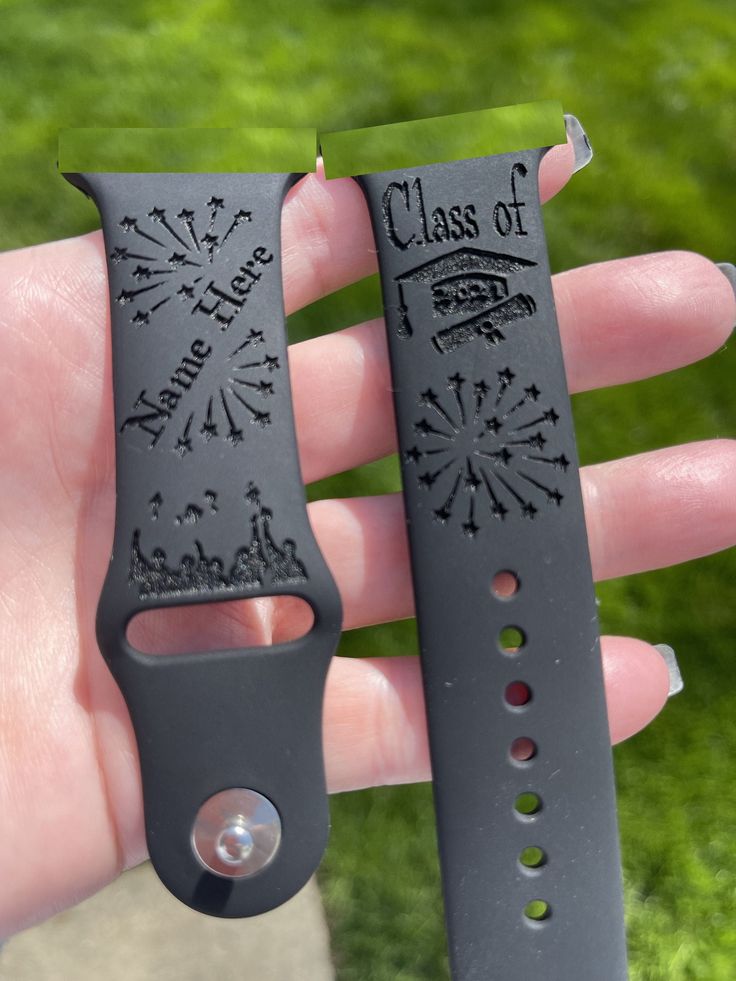
Laser engraving allows businesses to personalize silicone products with names, logos, messages, and unique designs.
Customized products such as wristbands, keychains, phone cases, and drinkware can offer higher perceived value, helping brands attract customers and create additional revenue opportunities.
Market Differentiation
In a competitive market, laser-engraved silicone products stand out from standard products through unique designs and premium finishes.
Businesses can use laser engraving to develop niche products, strengthen brand recognition, and create memorable customer experiences.
Improved Customer Satisfaction
Precise and durable laser markings improve product quality and appearance. Clean engravings show attention to detail, helping customers feel they receive greater value and increasing the chance of repeat purchases.
Common Silicone Laser Engraving Applications
1.Custom Silicone Accessories (Wristbands)
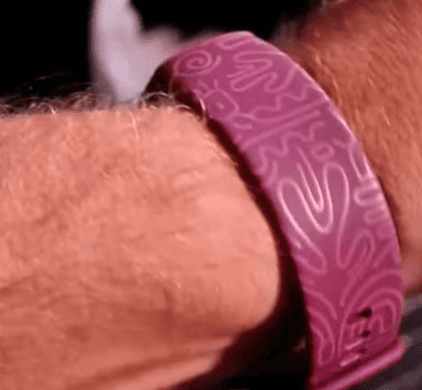
This business has taken personalization to the next level by incorporating laser technology to engrave wristbands and bracelets, both for fashion and sports. By having meaningful messages, initials, or symbols marked on silicone wristbands, this customization has skyrocketed sales and customer satisfaction, turning these businesses into a go-to destination for unique accessories.
2. Tech Accessories Brands
Who can ignore the contemporary fashion pieces of customized phone cases and laptop sleeves? This is another innovative approach that has greatly grabbed customer interest. Offering custom engraving options, and adding their favorite quotes, artwork, or logos to their silicon phone cases and laptop sleeves, it has been an effective approach to strengthening brand loyalty among tech-savvy customers.
3. Medical Supplies Business
This sort of business domain deals with medical bracelets for patients with allergies or medical conditions. These bracelets are engraved with important medical information, such as allergies or chronic conditions. That way, if there’s ever an emergency, first responders can quickly check the bracelet and know exactly what they’re dealing with. It’s like having a medical history right there on the wrist, ready to go when needed the most.
4. Promotional Product Companies
Ever seen laser-engraved silicone coasters, keychains, or drinkware? That’s the promotional companies that customize these products with the company’s logos, artwork, or slogans as a token of gifts for corporate events or as a unique marketing campaign.
5. Art & Crafts Brands
These brands harness the power of laser technology to create silicone-based molds and stamps for many DIY projects, scrapbooking, and decorating handmade cards and invitations
Final Takeaway
Silicone engraving depends on whether your priority is production efficiency, material flexibility, or fine-detail marking.
Choose the Right Laser System
For manufacturers producing silicone products every day, a ComMarker COX CO2 laser offers the highest productivity with reliable engraving depth and consistent results.
For workshops that mainly process metal and occasionally handle silicone components, a ComMarker Titan fiber laser provides greater material versatility.
For premium customization projects requiring small text, logos, and minimal heat impact, a ComMarker Omni X UV laser delivers the precision needed for detailed silicone marking.
Optimize Engraving Parameters
Silicone compositions vary, so testing and parameter adjustment are essential.
Proper settings help prevent burning, melting, and uneven engraving while improving consistency.
Laser engraving silicone surefire way to stand out from the crowd and keep those customers coming back for more. With ComMarker laser engraver on your side, the possibilities are endless. So go ahead, dive in, and let your creativity shine.