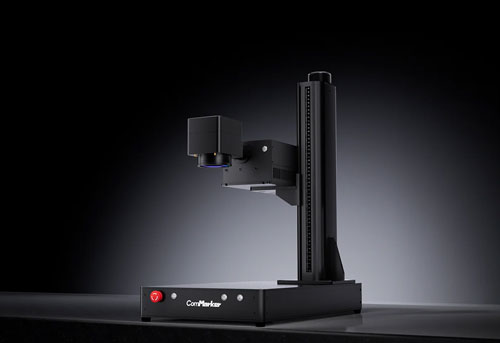
Laser engraving golf clubs can personalize golf equipment with precision, durability, and style. Transforming standard clubs into unique, high-end gear.
Fiber lasers, especially MOPA designs, excel at marking golf clubs made with stainless steel, titanium, and other alloys used in club heads and shafts.
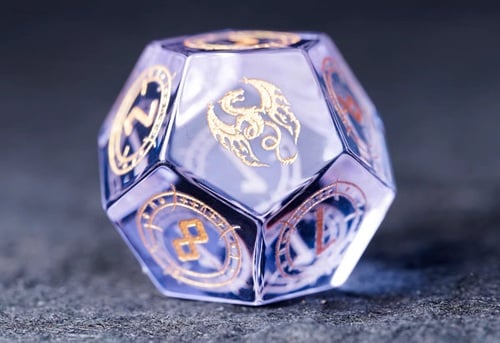
For golf balls, tees, acrylic accessories, and other polymers, UV laser engraver opens a whole new range of material possibilities, giving clubs and pro shops more creative options.
In this guide, we’ll cover how to choose the best laser engraver for your club, how it benefits your club, and the workflow to achieve professional results.
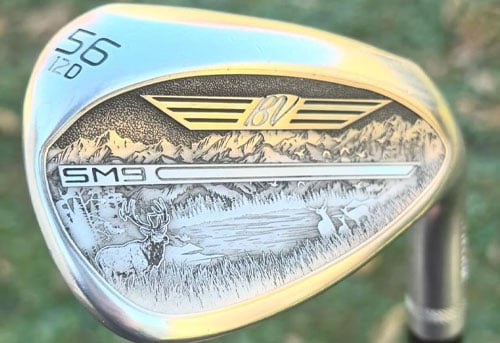
Why Laser Engraving for Golf Clubs is Better than Other Methods?
Laser engraving has become the go-to method for golf club customization thanks to its:
• Precision & Detail: Fiber lasers achieve micron-level accuracy, ideal for fine logos, serial numbers, or decorative patterns.
• Durability: Engraved markings resist wear, UV exposure, and corrosion—critical for clubs subjected to repeated impacts and the elements.
• Versatility: Fiber lasers can mark a range of metals—stainless steel, titanium, brass, and more.
• Speed: High production speeds up to 10,000–15,000 mm/s streamline production, from single-club personalization to small batch orders.
• Engraving & Cleaning: Laser engravers can mark and deep-engrave metal for personalized golf clubs while removing rust
Golf club engraving improves both appearance and identification for custom builds and premium brands.
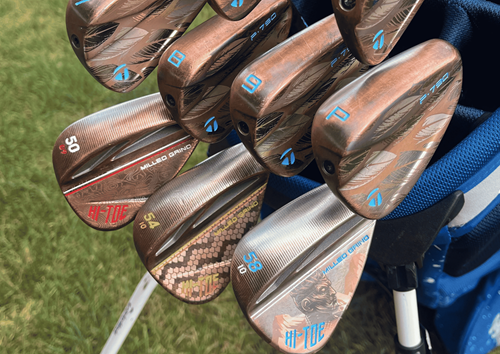
From Clubs to Balls: Which Laser Engraver Do You Actually Need?
Different laser types work best on different materials. This key difference determines what and how you can actually engrave.
| Laser Type | Best Materials | Strengths | Limitations | Typical Use | |
|---|---|---|---|---|---|
| Fiber Laser (MOPA) | Metals Marking and Deep Engrave (stainless steel, titanium, aluminum) | High precision, fast, deep engraving, color metal marking | Not suitable for wood or clear acrylic | Golf club heads, metal parts | 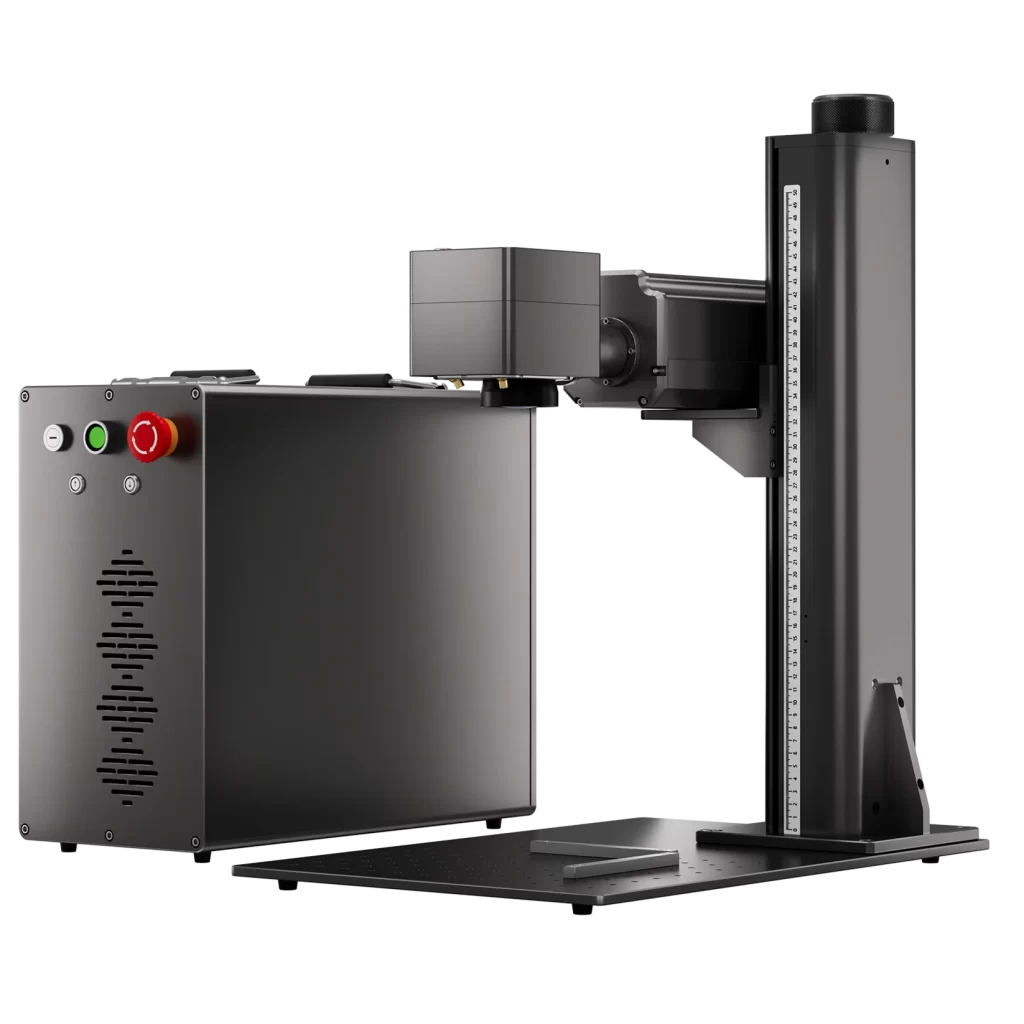 |
| UV Laser | Plastics, glass, ceramics, metal marking | Ultra-fine detail, minimal heat damage | Slower, higher cost, not ideal for deep metal engraving | Golf balls, trophies, premium items |
|
| CO2 Laser | Wood, acrylic, leather, glass | Excellent for non-metals, clean cuts | Cannot engrave bare metal without coating | Signs, crafts, packaging | 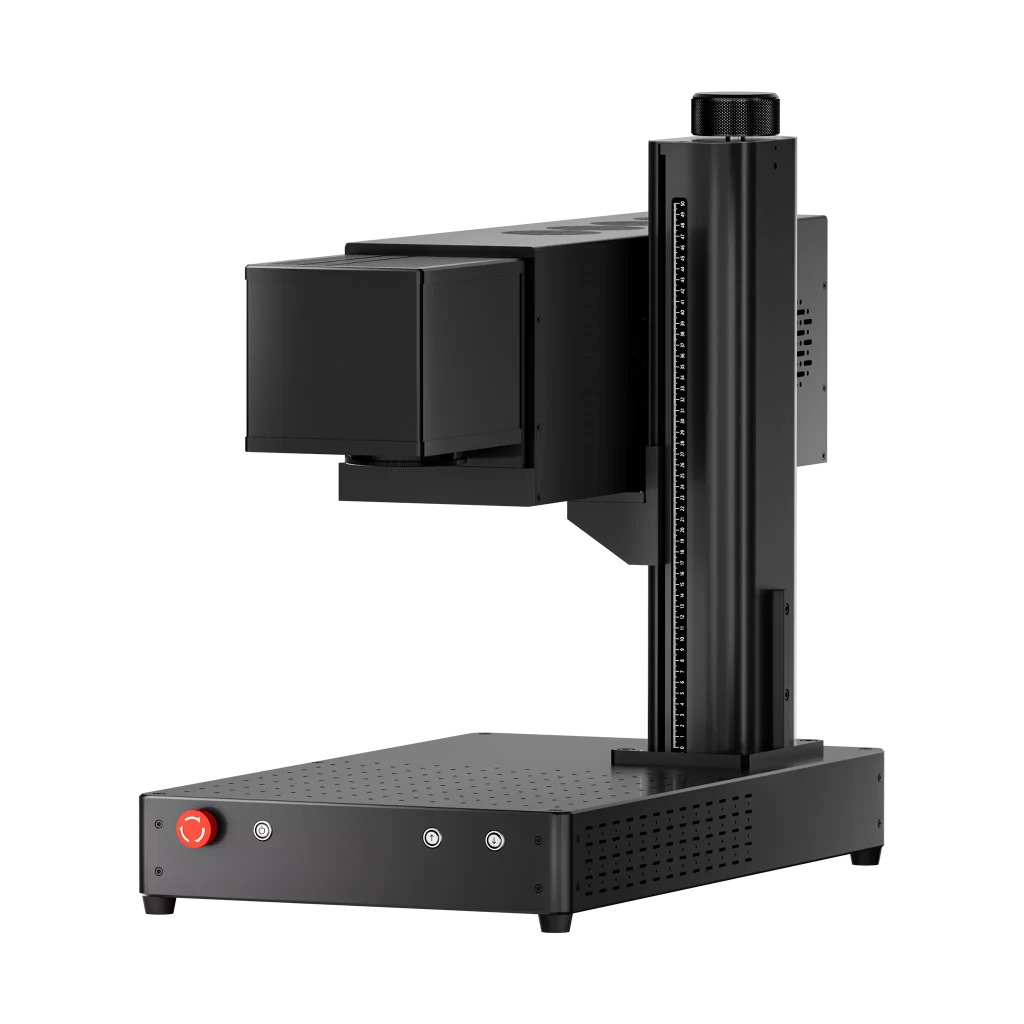 |
| Diode Laser | Wood, leather, dark materials | Affordable, compact, beginner-friendly | Low power, weak on metals, limited speed | Hobby use, light engraving | 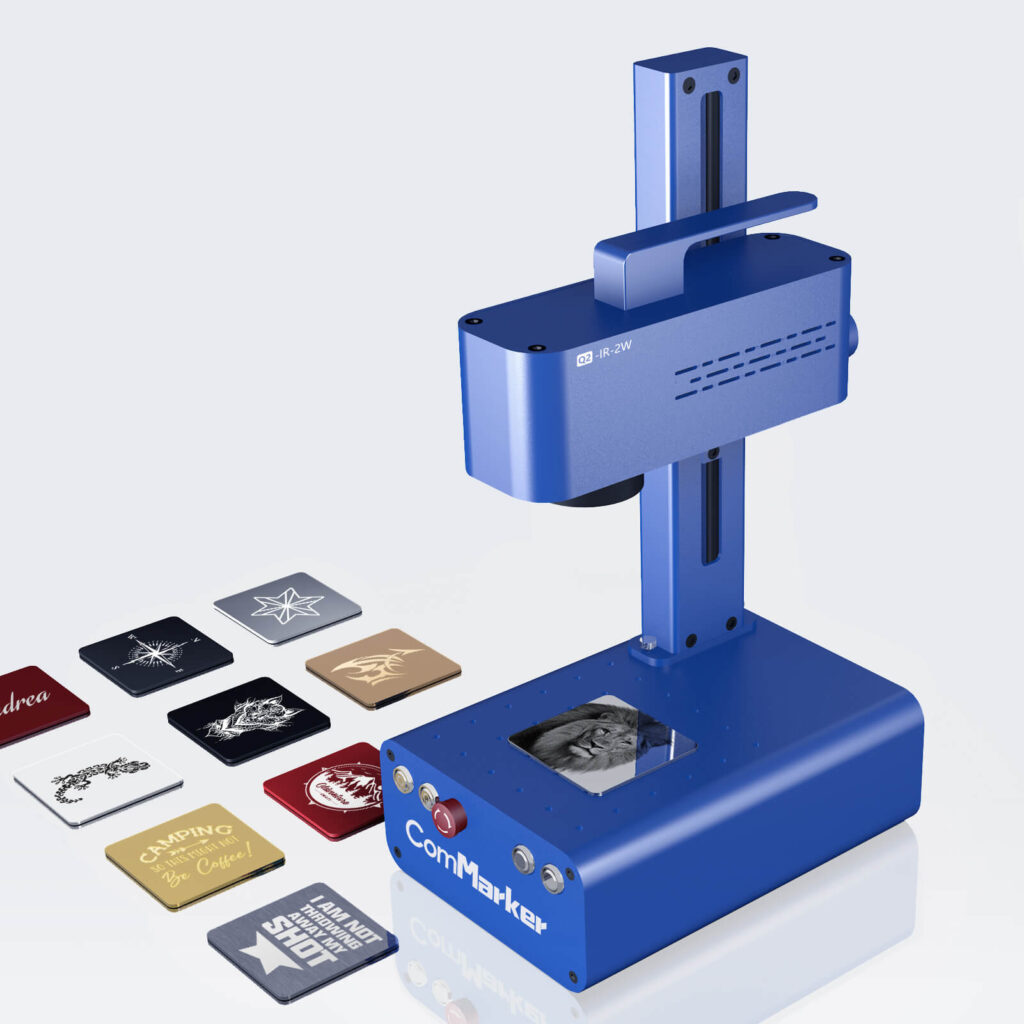 |
What to Look For When Choosing a Fiber Golf Club Laser Engraver
1.Laser Power: Lower power (20 W) suffices for surface marking; higher power (60–200 W) enables deeper engraving and color marking.
2.Pulse Control: MOPA systems let you tune pulse width/frequency for bright colors and contrast on stainless steel.
3.Scan Speed: Look for galvanometer-driven heads rated 10,000–15,000 mm/s to maintain throughput on multiple clubs.
4.Work Area & Fixtures: Ensure the engraving field covers typical club head sizes (100–150 mm) and offers rotary or tilt fixtures for shafts.
5.Software Ecosystem: Compatibility with LightBurn or EZCad2 provides flexible design import (DXF, SVG), preview modes, and batch processing.
 |
|
|
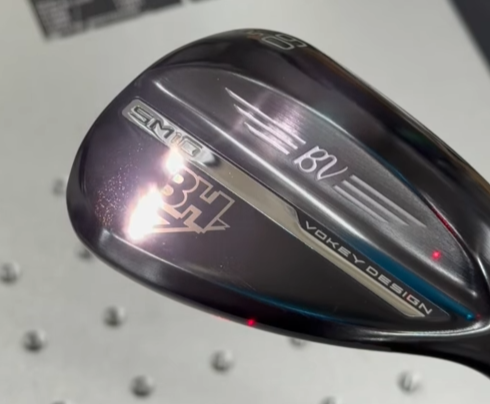
surface marking |
deep engraving |
Fiber Laser Marking vs Laser Engraving Golf Clubs: Different Power Needed
Different laser tasks require very different power levels, especially when it comes to surface marking and engraving (emboss).
Power & Use Case Comparison
| Application | Output Power Needed | Engraving Depth | Result on Golf Clubs | Recommended Laser Type |
| Light Cleaning (Rust / Oil Removal) | 20W – 30W | Surface level | Removes rust and surface contamination | Fiber Laser |
| Basic Marking (Logos / Text) | 20W – 30W | 1mm~2mm | Clean, shallow, high-contrast marks | Fiber Laser |
| Deep Engraving (Emboss) | 60W – 100W | 2mm~3mm | Deep pattern with touchable visibility | Fiber Laser |
| Color Marking | MOPA Laser | Surface level | Colored text, logos, patterns | MOPA Fiber Laser |
Best Laser Engravers for Golf Clubs
Budget fiber laser engraver: Marking, Color Marking & 2mm Max Deep Engraving
|
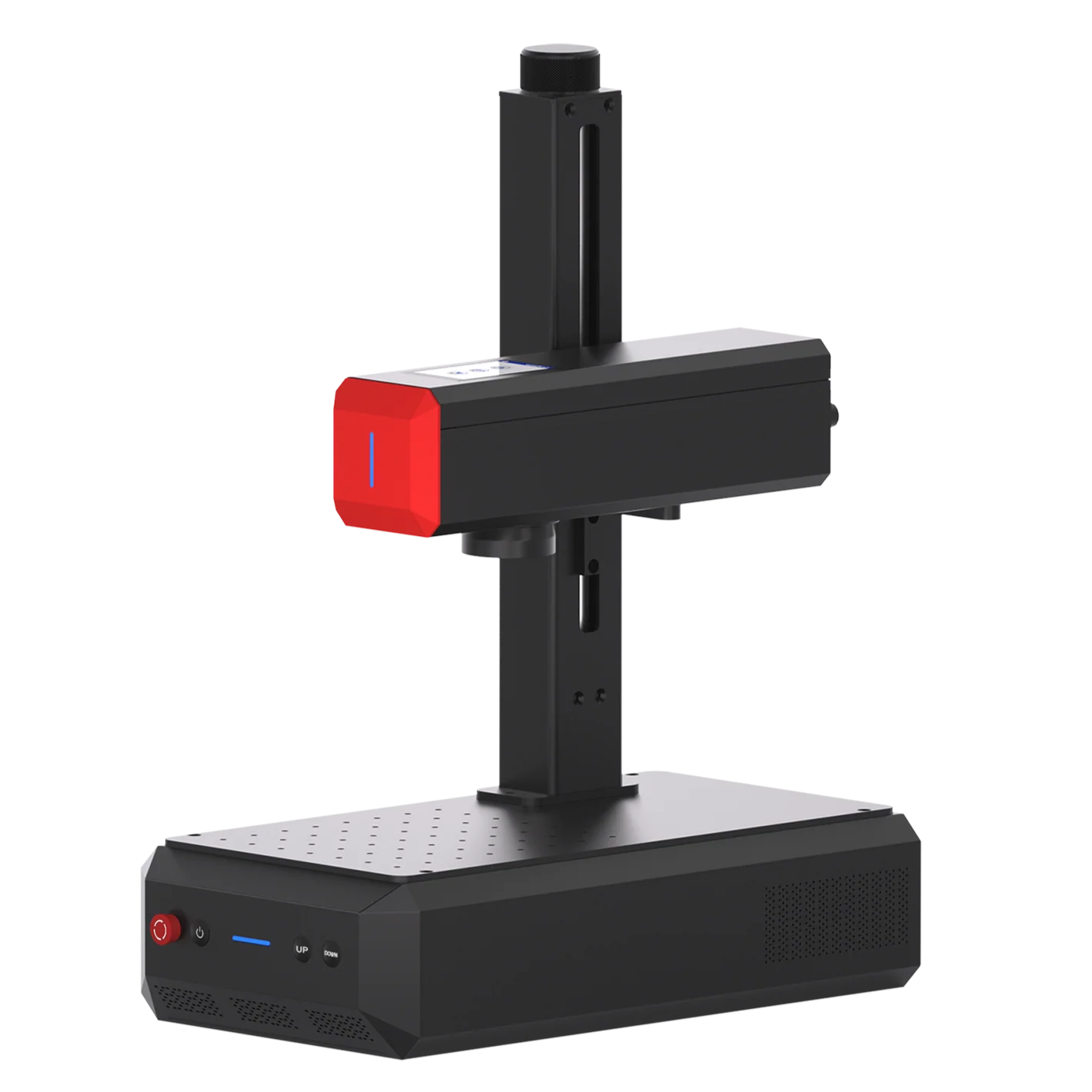
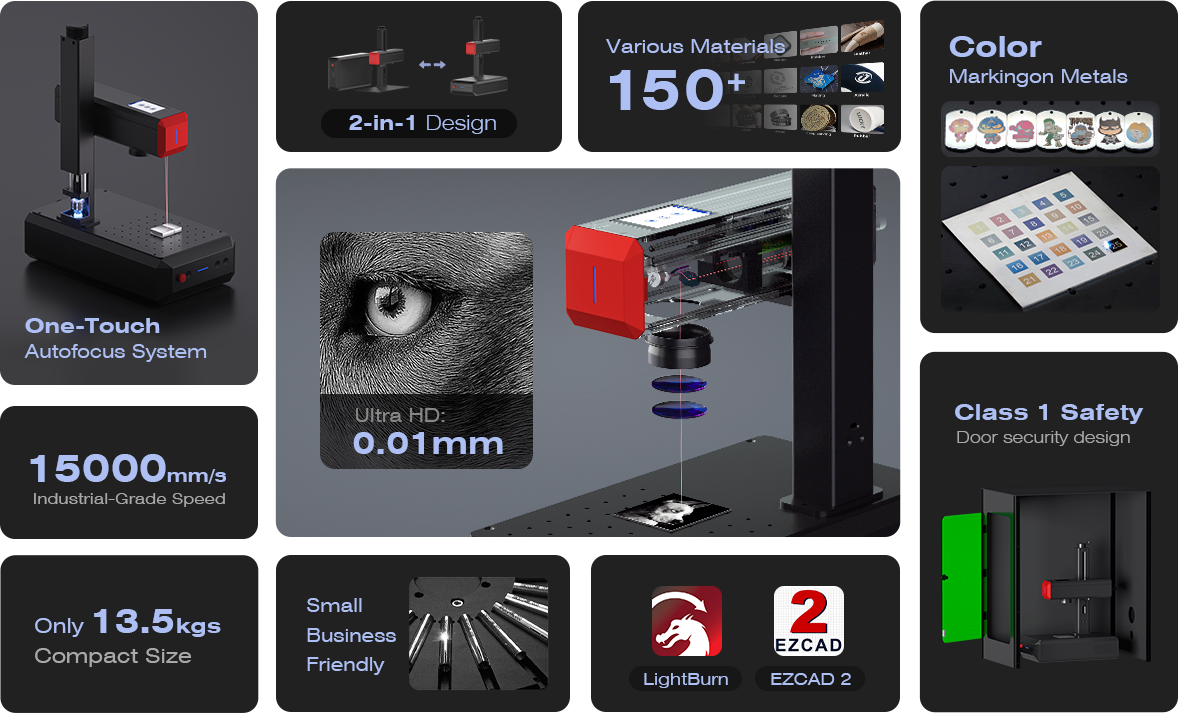
1. ComMarker B6 JPT MOPA Fiber Laser Engraver Power: 20W JPT MOPA
|
 |
Ultimate fiber laser for golf club: Marking, Color Marking & 3 mm Max Deep Engraving
|
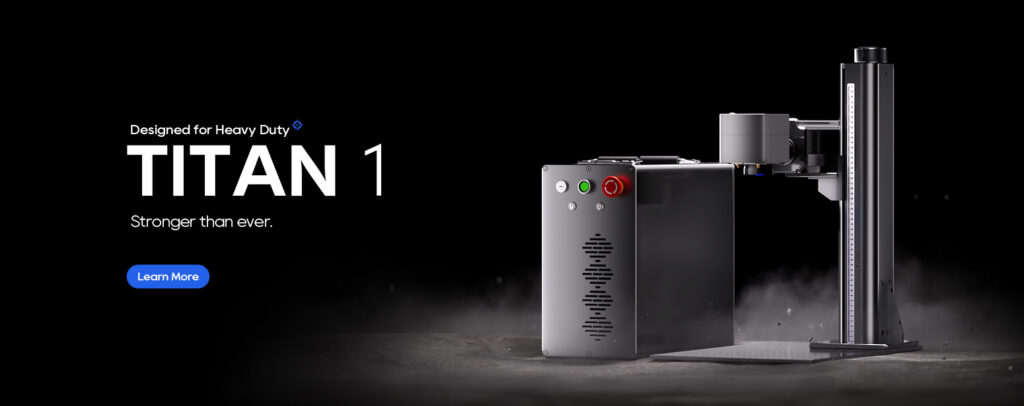
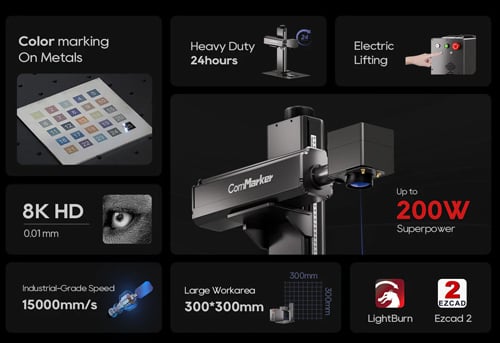
2. ComMarker Titan 1 JPT MOPA Fiber Laser Engraver Power: 60 W–200 W JPT MOPA
|
 |
UV Laser Engraver for Diverse Golf Customizations
|
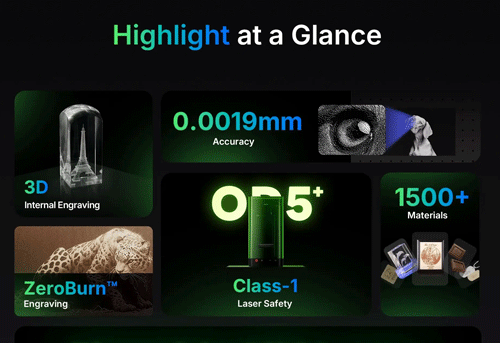
3. ComMarker Omni X UV Laser Engraver Power: 6–12 W
Note: UV lasers can engrave metal, but fiber lasers remain faster and more repeatable for club heads. UV is ideal for non-metal materials and premium customization options. |
 |
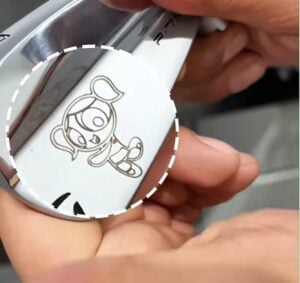
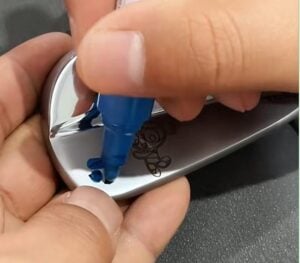
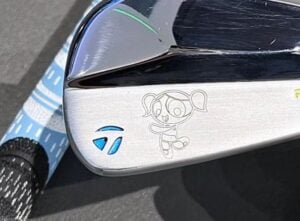
Golf Club Engraving Workflow
Operating a laser engraver might sound difficult, but here is a real workflow for your reference.
1. Design Preparation
Use CAD/vector software (CorelDRAW, Adobe Illustrator) to create or import club logos, names, or patterns.
Save as SVG, DXF, or AI for LightBurn/EZCad2.
2. Material & Fixture Setup
Clean club heads with isopropyl alcohol; apply laser marking spray if needed.
Secure clubs in a rotary or tilt fixture to ensure consistent focus.
3. Laser Parameter Selection
20 W B6: 100% power, 30–50 kHz, speed 500–1000 mm/s for stainless steel marking.
Titan 1: 60–100% power, 20–50 kHz, speed 1000–5000 mm/s for deep etch or color marking.
4. Preview & Test
Use the software preview mode and “air run” to verify positioning.
Perform a test mark on scrap metal to fine-tune settings.
5. Production Run
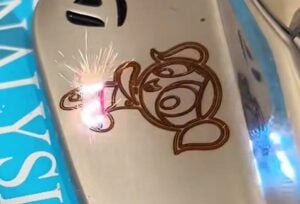
Start engraving; monitor the process to ensure clean marks.
For multi-color effects, adjust pulse width between passes.
6. Post-Processing
Clean engraved areas with a soft brush.
Apply protective clear coat or oil to prevent corrosion.
 |
 |
 |
Maintenance & Safety Tips
- Lens & Mirror Cleaning: Use lens paper and isopropyl alcohol weekly to maintain beam quality.
- Eye & Skin Protection: Always wear wavelength-specific laser safety glasses and gloves.
- Ventilation: Ensure fume extraction when marking coated or painted club heads.
Read more about laser engrave golf club guide
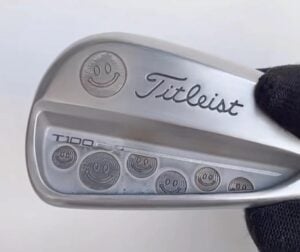
Golf Club Engraving Business Opportunity
|
Pricing Potential |
Golf club engraving sits in a premium niche. • Standard engraving: $30–$75 per club • Custom / artistic work: $100–$300+ per club |
|
Cost to Get Started |
Entry into the market is relatively low compared to other manufacturing setups. • Entry fiber laser: ~$2,000–$5,000 • Professional setup: $5,000–$15,000 Once the machine is paid off, ongoing costs are minimal. |
|
Profit Margins |
Laser engraving is known for high margins because material costs are low and production is fast. • Typical margins: 60–90% • Revenue per hour: $30–$100+ That’s significantly higher than most small businesses. |
|
ROI Example |
Even at a conservative pace: • 10 clubs/day × $30 = $300/day • Break-even: often within weeks to a few months Many operators recover their investment after just a few dozen orders. |
Benefits of Laser Engraving for Golf Clubs
Laser engraving creates new ways for golf clubs, pro shops, and event organizers to offer personalized experiences and unique keepsakes.
|
For Members |
• Personalized club heads for each member • Engraved trophies and awards • Golf balls with member names • Commemorative items like tees, ball markers, or tags |
|
For Events & Competitions |
• Custom reward medals and keepsakes • Branded items for sponsors or participants |
|
For Retail & Pro Shops |
• Personalized golf balls and accessories • Custom logo gear and club merchandise, including T-shirts or tumblers By offering laser-engraved items, clubs can make members feel special, create memorable event mementos, and offer unique products for sale. |
Final Thoughts
For Golf Club Laser Engraving, nothing matches the precision, speed, and versatility of ComMarker’s MOPA fiber lasers.
The 20 W B6 excels at fine detail and small-batch customizations, while the 60–200 W Titan 1 tackles deeper etching, color marking, and high-volume production.
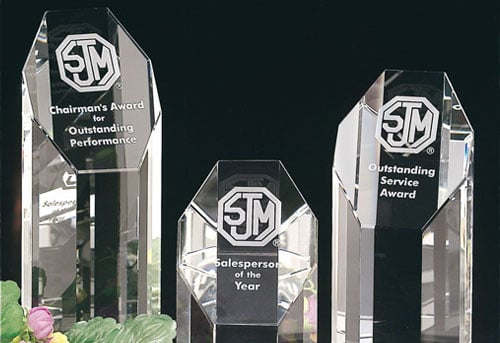
UV laser engravers complement fiber lasers by enabling engraving on golf balls, acrylic accessories, tumblers, and glass trophies, creating premium personalization opportunities.
Evaluate your personalization needs, material thickness, and throughput requirements to choose the perfect ComMarker model—then get ready to launch a truly premium, customized golf club engraving service that stands out on and off the green.