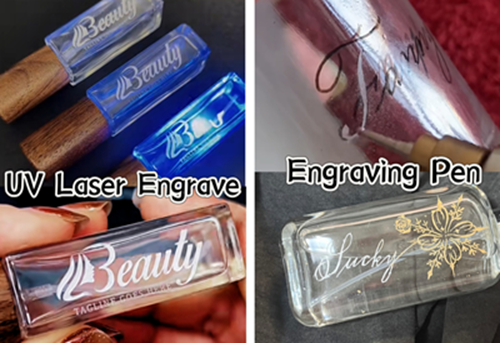
Laser engraving makes it easy to personalize rings, pendants, bracelets, earrings, and other jewelry with names, logos, patterns, and detailed designs.
The right choice depends on what materials you work with, what type of engraving you need, product quantity, and whether you need to process curved jewelry.
This guide explains how to choose a laser engraving machine for jewelry, and which type of ComMarker machine may fit different jewelry businesses.
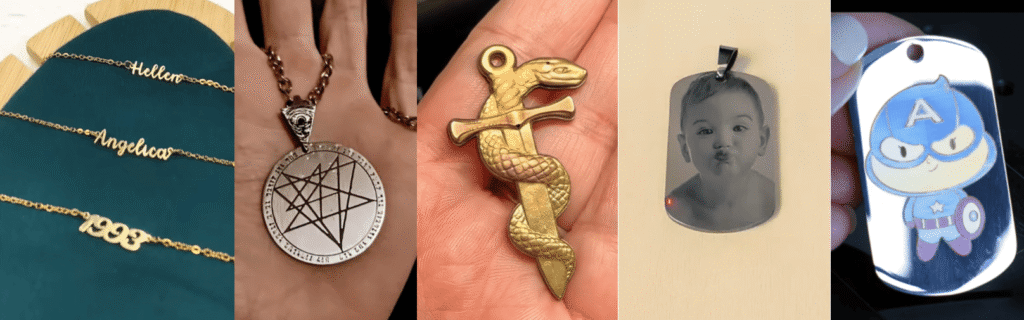
What Materials and Applications Can You Engrave on Jewelry?
Different materials interact differently with laser wavelengths; therefore the suitable laser choice depends on the material.
| Material | Jewelry Applications | Best Laser Type | Typical Tasks |
| Gold | Rings, wedding bands, pendants, bracelets, charms | Fiber | Names, dates, logos, decorative engraving |
| Silver | Rings, pendants, bracelets, charms, earrings | Fiber | Personalization, text, logos, photos |
| Platinum | Rings, wedding bands, pendants | Fiber | Names, hallmarks, logos |
| Stainless Steel | Rings, bracelets, charms, watch backs | Fiber / MOPA Fiber | Marking, color marking, engraving |
| Titanium | Rings, bracelets, pendants | Fiber / MOPA Fiber | Color marking, logos, patterns |
| Brass & Copper | Pendants, charms, decorative pieces | Fiber / MOPA Fiber | Text, logos, emboss engraving, cutting |
| Glass & Crystal | Earrings, pendants, charms | UV | Fine surface engraving, emboss engraving |
| Acrylic | Earrings, pendants, charms | CO₂ / UV | Names, patterns, cutting |
| Wood | Earrings, beads, pendants | UV | Names, patterns, decorative engraving |
| Leather | Bracelets and accessories | CO₂ / UV | Names, logos, patterns |
What Can a Laser Do to Jewelry?
|
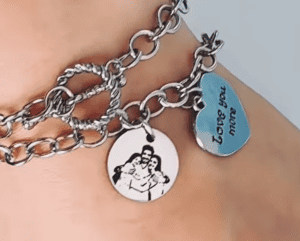
Marking: changes the jewelry surface to create patterns and visual contrast. Common examples include names, dates, logos, photos, and simple decorative patterns. |
 |
|
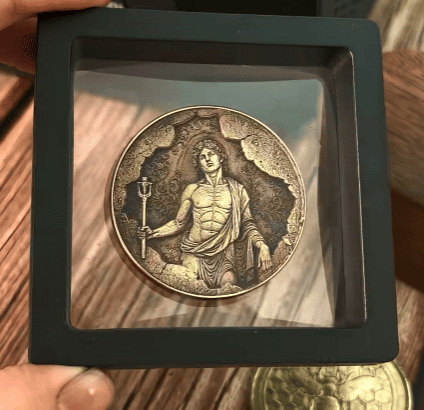
Deep Engraving: removes material layer by layer to create visible physical depth. It can be used for deep lettering, relief-style designs, jewelry molds and dies. |
 |
|
Cutting: uses concentrated laser energy to separate or remove shapes or components. Applications may include thin metal components, tags, decorative shapes, custom jewelry blanks, and thin sheet components. |
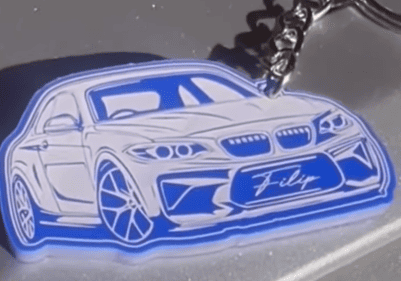 |
Which Laser Is Best for Jewelry?
Each laser type has its own strengths. The right choice comes down to the materials and applications your business handles most often.
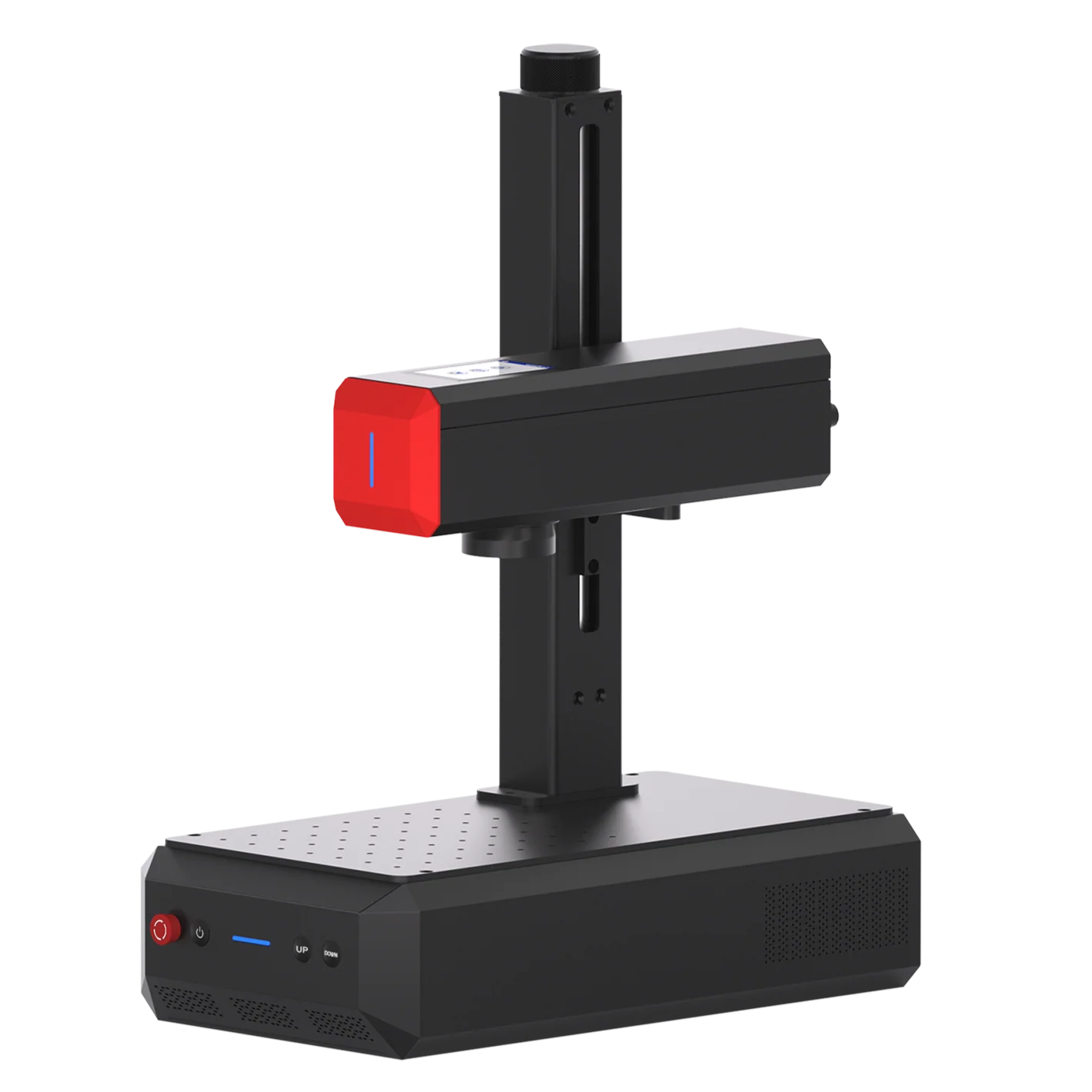
Fiber Lasers: Go-To Choice for Metal Jewelry
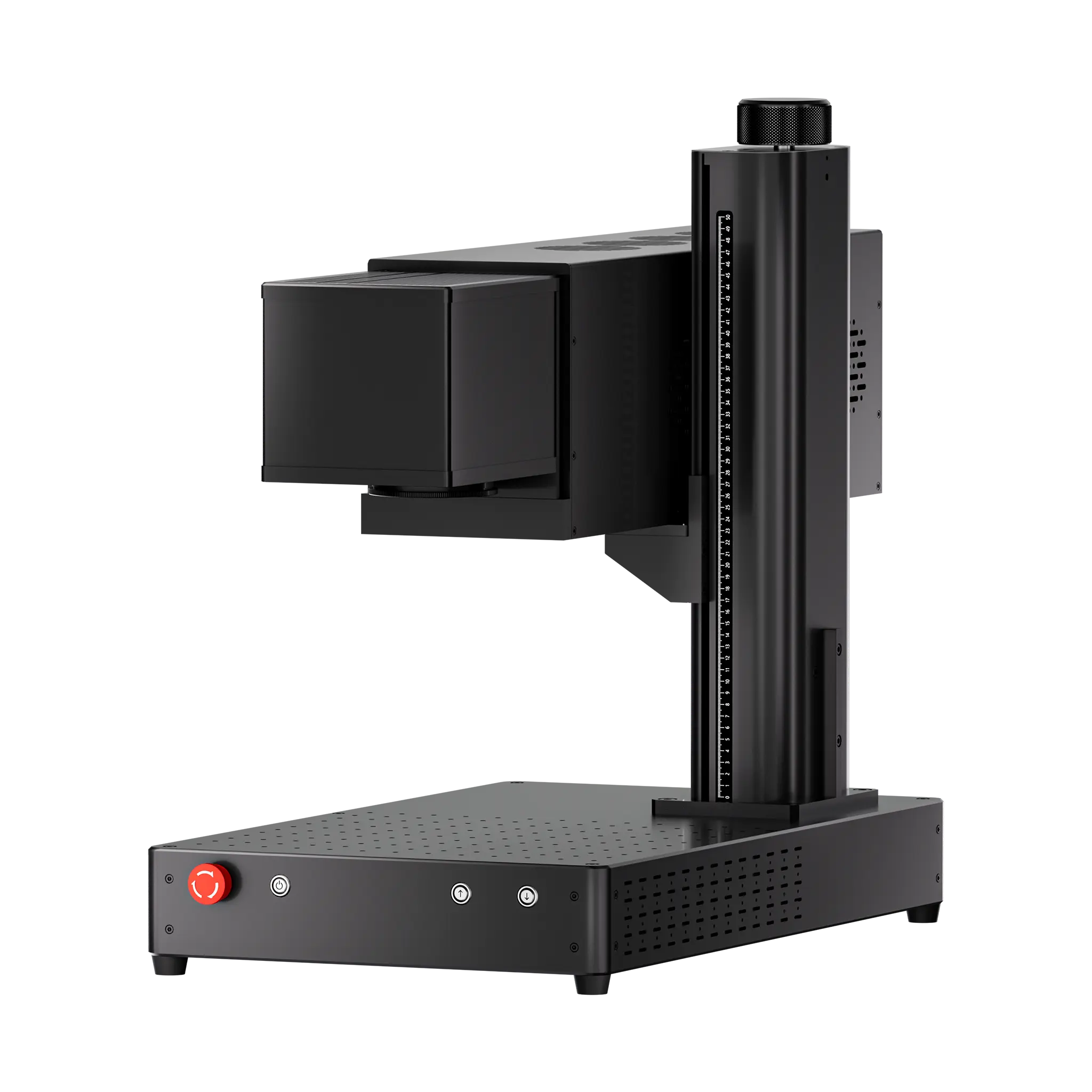
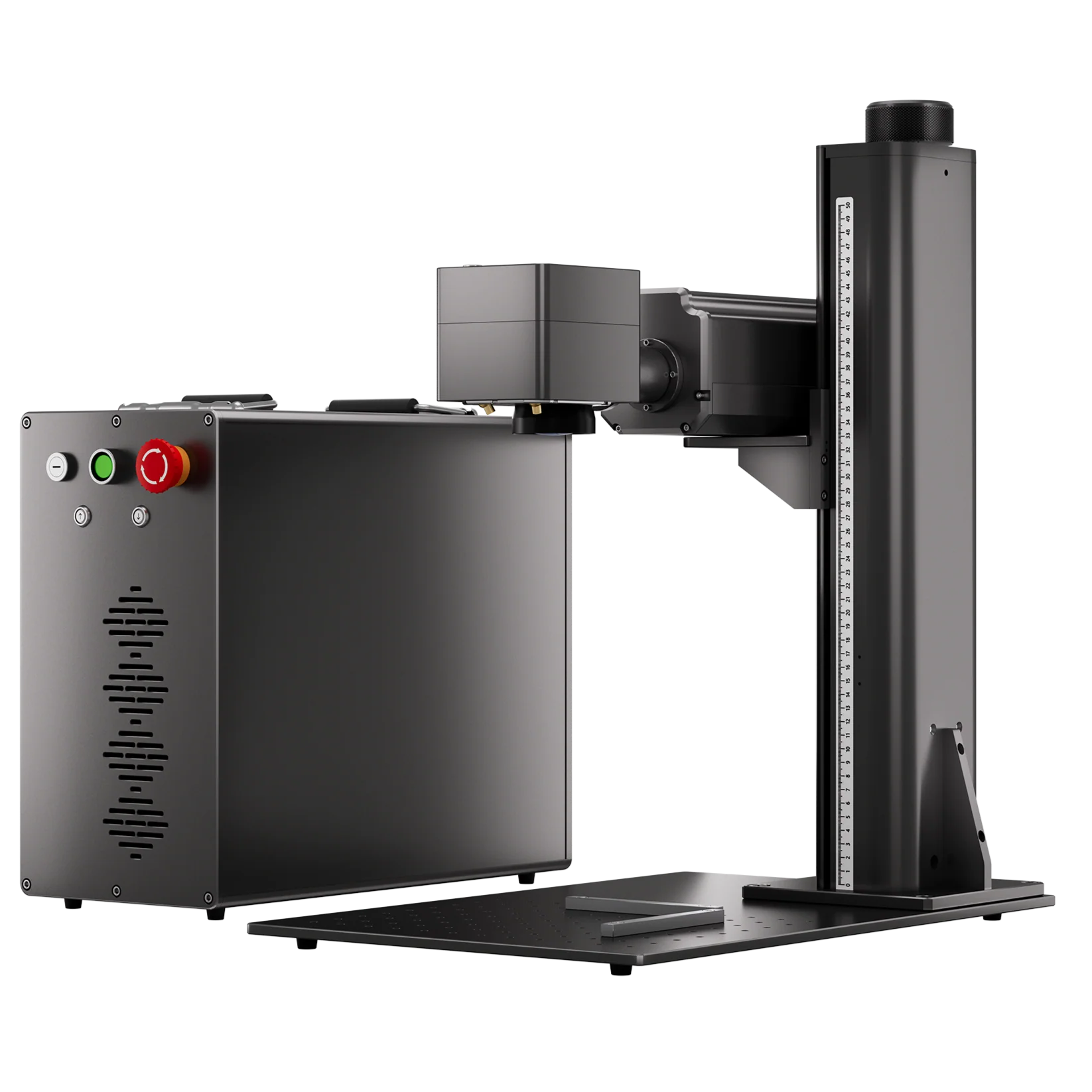
Fiber lasers use a 1064 nm wavelength that is strongly absorbed by metals, making them well suited for marking, engraving, and cutting metal.
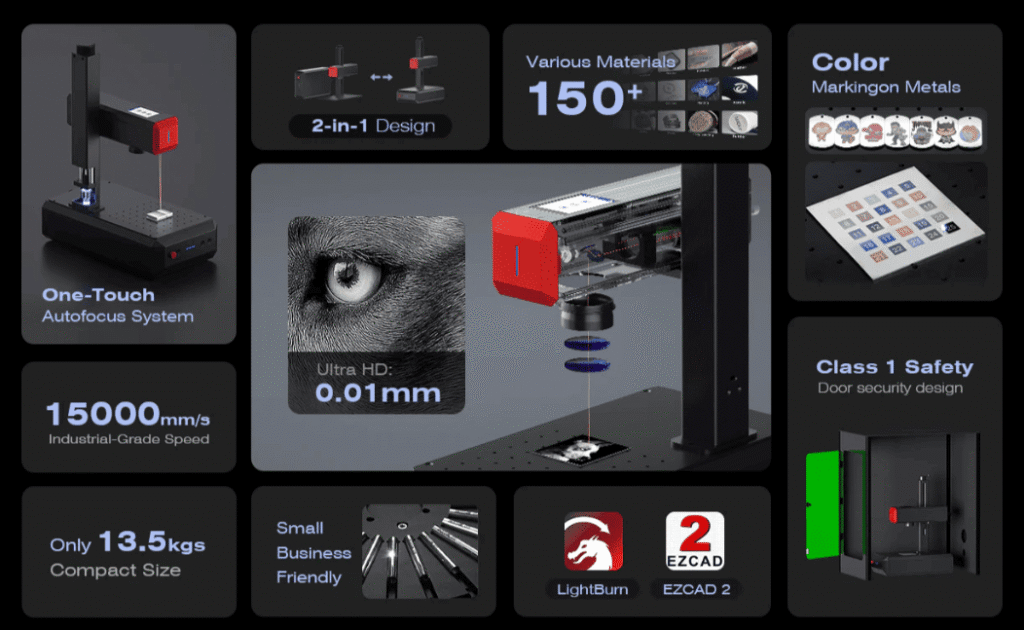
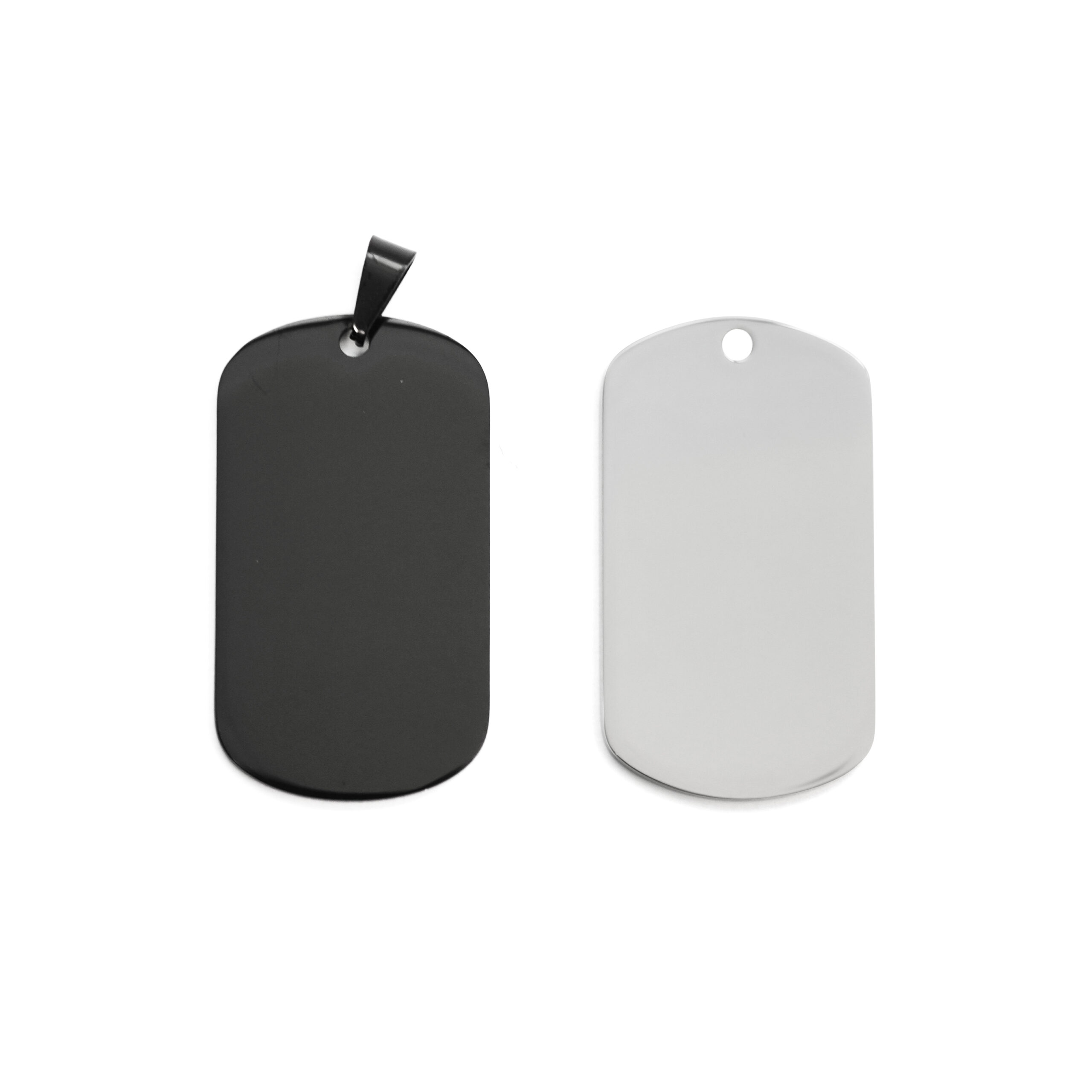
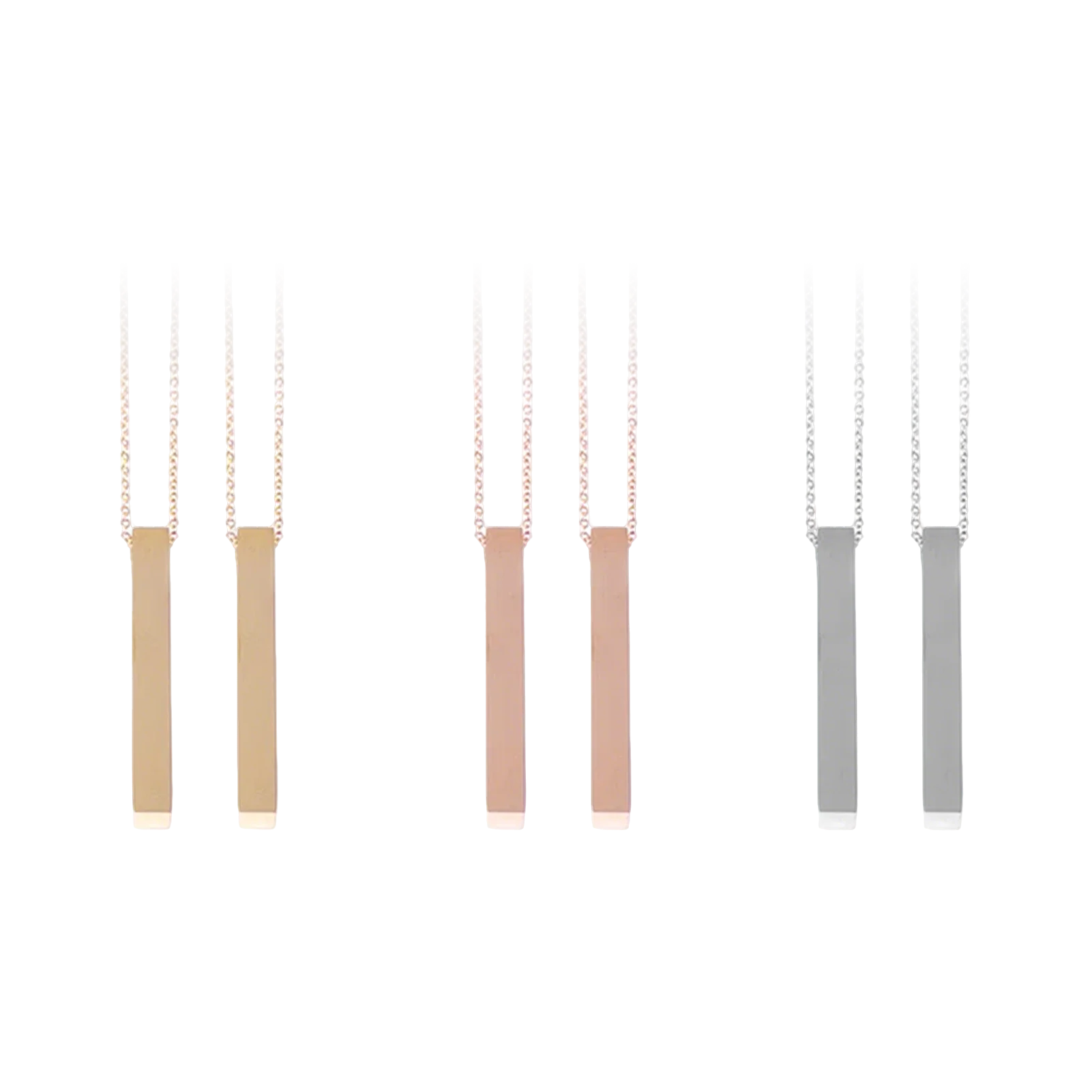
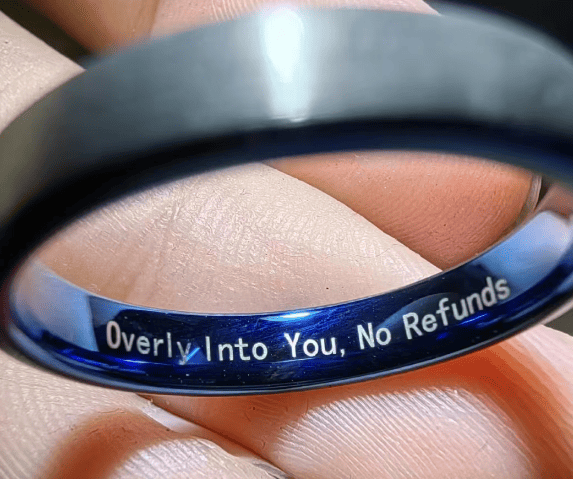
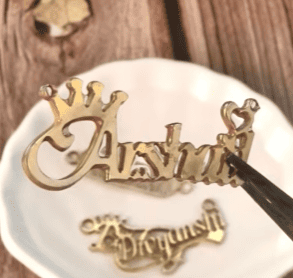
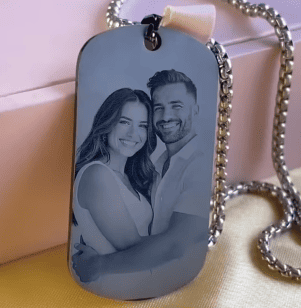
For metal jewelry, a fiber laser can engrave names and dates on rings, photos on pendants, relief designs on bracelets, and cut custom jewelry shapes.
 |
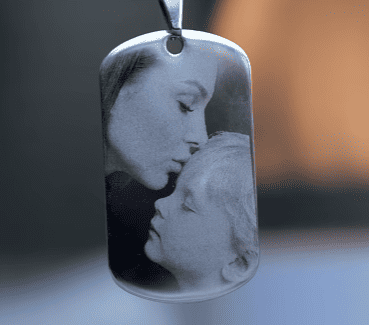 |
| Ring marking | Pendant photo engraving |
 |
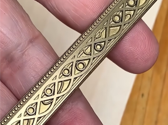 |
| Necklace cutting | Bracelet engraving |
MOPA Fiber Lasers for Advanced Color Engraving
MOPA fiber lasers are a specialized type of fiber laser that provides additional control over pulse characteristics.
That flexibility expands the range of metal processing, from Color Marking to higher deep engraving and cutting quality.
A MOPA fiber laser gives metal jewelry businesses the broadest range of laser metal processing capabilities, from color marking to deep engraving and cutting.
UV Lasers: High Precision and Broad Material Compatibility
UV lasers use a 355 nm wavelength that is well absorbed by a wide range of materials. ComMarker Omni X features a 0.0019 mm laser spot, enabling highly precise and detailed processing.

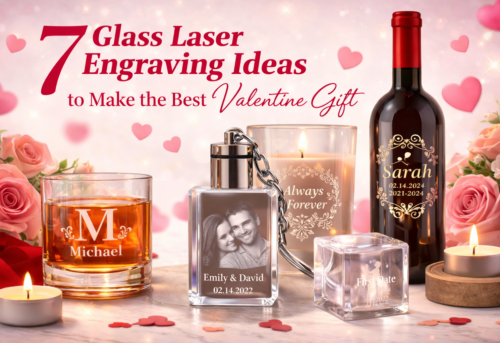
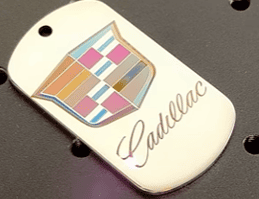
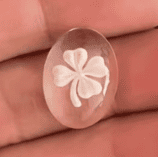
For jewelry, a UV laser can mark metal with 16K detail, deep engrave glass and crystal, and cut thin wood sheets for earrings.
 |
 |
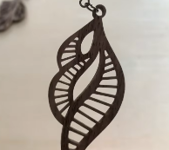 |
| Metal pendant engrave | Glass deep engrave | UV laser cut wood earring |
A UV laser is best suited for jewelry businesses that work with multiple materials and prioritize fine detail, especially businesses making metal, glass, crystal, and non-metal jewelry.
CO₂ Lasers: Fast Processing for Non-Metal Materials
CO₂ lasers use a longer 10600 nm wavelength that works well with non-metallic materials such as acrylic, leather, and wood. ComMarker COX uses a galvo scanning system with a 0.005 mm laser spot, enabling fast and precise processing.
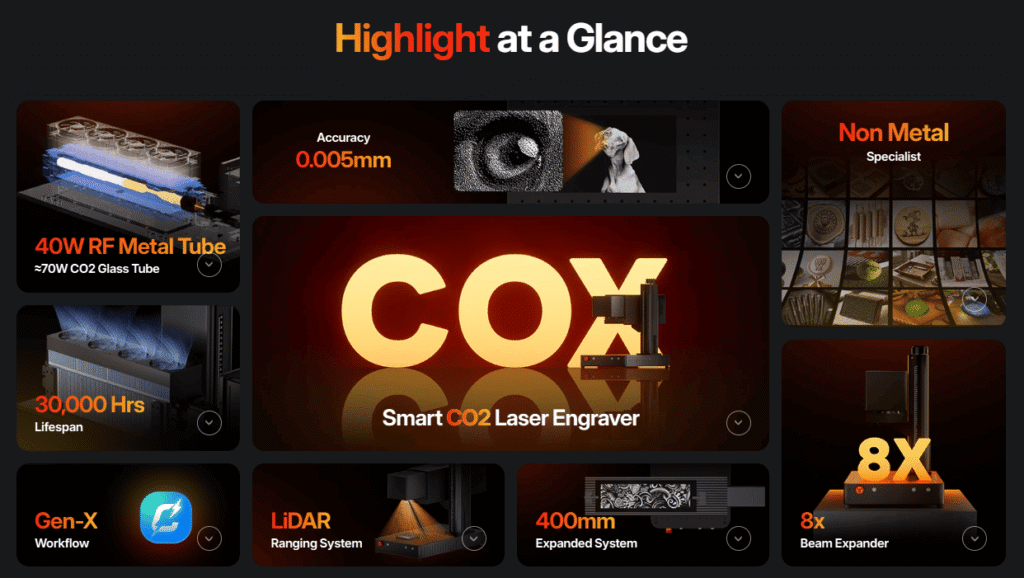
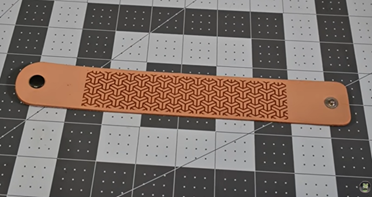
For jewelry, a CO₂ laser can cut acrylic sheets, mark leather bracelets, and mark batch jewelry package.
 |
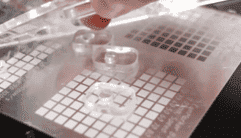 |
| Leather bracelet marking | Acrylic sheet cutting |
What to Look for in a Jewelry Laser Engraving Machine
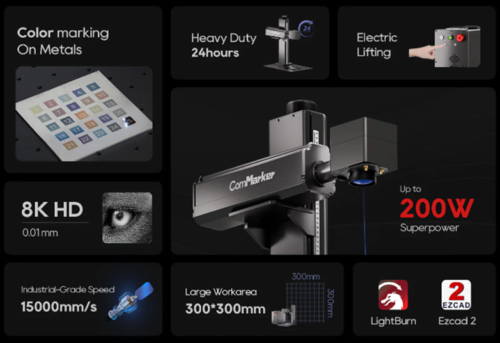
Laser Power: For Marking, Deep Engraving and Cutting?
Power should be matched to your workload. Simply put, the higher the wattage, the more material a single pass can remove, therefore faster deep engraving.
As a general fiber laser starting point:
ComMarker B6 MOPA Fiber laser
20W: Suitable for metal marking and cut 0.05–0.1 mm thick metal with efficiency.
30W: Adds more capability for deeper engraving and thicker cutting (0.1–0.3 mm).
50W–60W: Best balance for daily businesses operation that need deeper engraving, or metal cutting (2mm thick)
ComMarker Titan Fiber laser:
100W+: Generally more appropriate for batch deep engraving and metal sheet cutting jobs.
Choose higher wattage if you perform deep engrave or cutting frequently.
Precision: For Best Engraving Quality
Because heat can spread beyond the laser spot, a smaller spot combined with lower thermal impact can deliver finer and cleaner marking results.
Choose UV or a laser with smaller spot size if precision is your business priority.
| Machine | Laser Type | Spot Size | Real Testing Result on Anodized Aluminum | Result Minimum Marking Size |
| ComMarker Omni X | UV | 0.0019 mm | 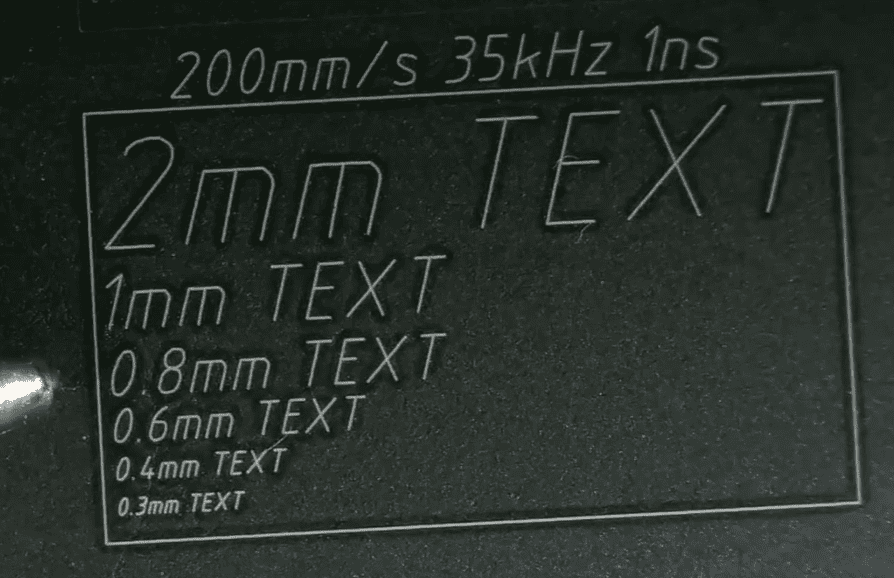 |
Below 0.3mm |
| ComMarker COX | CO₂ | 0.005 mm | 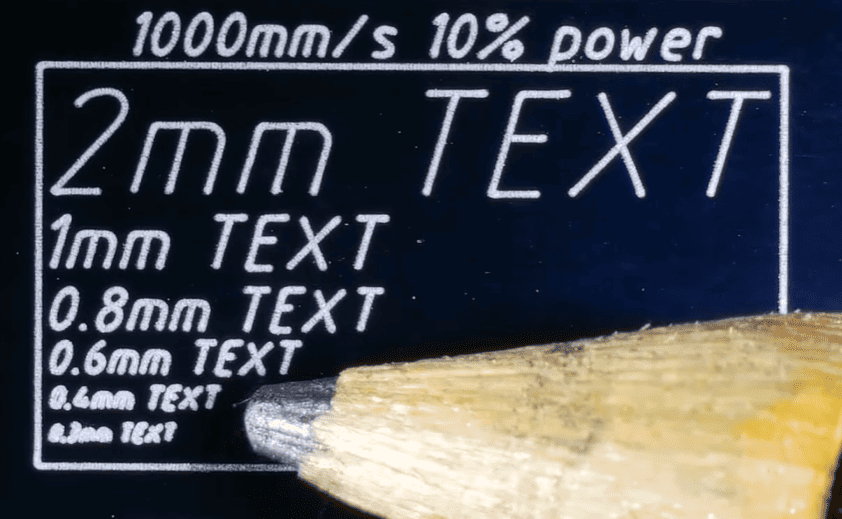 |
Around 0.5mm |
| ComMarker B6 MOPA | MOPA Fiber | 0.01 mm | 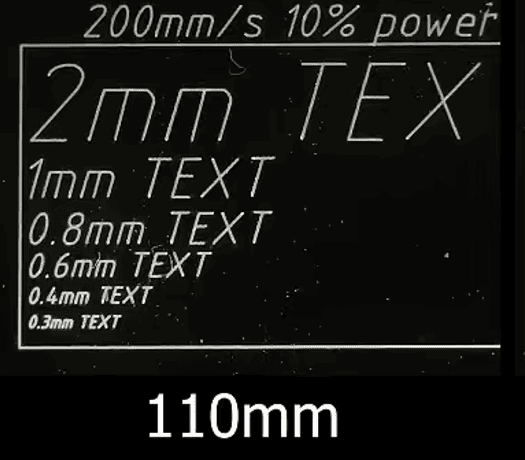 |
Around 0.3 mm |
Rotary Attachment: Essential for Rings and Bracelets
If you plan to engrave cylindrical jewelry such as rings or bracelets, a rotary attachment can make a major difference. It rotates the workpiece while the laser marks the surface, allowing designs to follow curved objects.
ComMarker R5 Rotary offers 0.01 mm positioning precision and supports 360° rotary engraving.
Marking Area: For Larger Items and Batch Engraving
Choose a marking area large enough to fit the entire jewelry piece or process multiple pieces in one batch. A larger marking area is especially useful for larger jewelry designs and higher-volume production.
Safety Enclosure and Fume Extraction
Laser processing can produce dust and fumes, while direct exposure to the laser beam can cause serious eye injury. Consider a Class 1 enclosed laser system or a proper safety enclosure, and ensure good ventilation or use a fume extractor during processing.
How Does Jewelry Laser Engraving Work?
A typical jewelry engraving workflow is straightforward, while the setup varies depending on the jewelry type, material, shape, and engraving task.
Rotary Ring Engraving
Metal Pendant Cutting
Glass Pendant Marking
Is a Jewelry Laser Engraving Machine Worth It?
If you regularly offer jewelry personalization, a laser engraving machine can turn engraving from an occasional service into a repeatable, paid customization business.
Laser vs. CNC vs. Hand Engraving
| Laser Engraving | CNC Engraving | Hand Engraving | |
| Quality | High precision, highly consistent | High precision, good depth control | Depends on craftsman skill |
| Speed | Fast for repeat jobs and personalization | Moderate | Slow |
| Cost per job | Low after setup | Low to moderate | Higher labor cost |
| Best for | Personalized jewelry and repeat production | Deep/mechanical engraving | High-end artistic craftsmanship |
Can a Jewelry Laser Engraver Pay for Itself?
A laser engraving machine can become a profitable add-on service when you regularly handle personalized jewelry. Real jewelry businesses charge $30–$75 or more for laser engraving.
With an entry-level ComMarker fiber laser cost from $1,399, charging an average of $50 per engraving would require about 28 paid jobs to generate $1,400 in engraving revenue. After that, the machine can continue generating revenue from personalization, while operating costs per job remain relatively low.
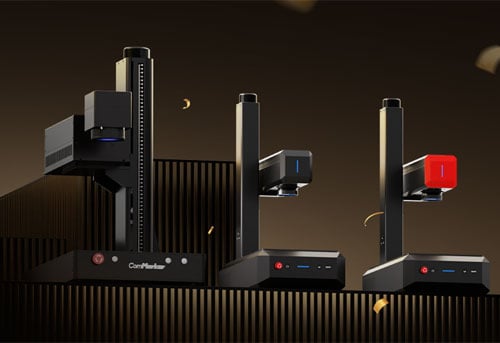
Final Thoughts: Which Jewelry Laser Engraving Machine Should You Buy?
The best jewelry laser engraver depends on what you want to process and how you want to process it.
| If you mainly need to… | Recommended ComMarker Machine | Wattage needed |
| Engrave names, dates, logos, and photos on gold, silver, platinum, and stainless steel | ComMarker B6 Fiber | 20~30W |
| Do color marking, deep engraving, and metal cutting | ComMarker B6 MOPA Fiber | 60W |
| Handle high-volume metal engraving and deeper cutting | ComMarker Titan MOPA Fiber | 100W+ |
| Engrave fine details on metal, glass, and crystal, or work with multiple materials | ComMarker Omni X UV | – |
| Cut acrylic sheets and mark leather or other non-metal jewelry materials | ComMarker COX CO₂ | – |
| Engrave rings, bracelets, and other curved jewelry | Add a ComMarker R5 Rotary to your laser | – |
For jewelry businesses that need to engrave, personalize, and scale, the right laser setup can turn laser engraving from a single service into a flexible customization capability.
FAQ
What is the best laser engraving machine for jewelry?
For metal jewelry, a fiber laser is generally the most practical starting point. A 20W or 30W fiber system can cover many personalization and engraving applications, while higher-power MOPA fiber systems are better suited to deeper engraving, higher throughput, and metal cutting.
What type of laser is best for engraving gold and silver?
Fiber lasers are commonly used for gold and silver jewelry. The appropriate power and parameters depend on the alloy, surface finish, design, and desired engraving depth.
What laser power do I need for jewelry engraving?
For basic metal personalization, 20W–30W is a practical starting point. If you regularly need deep engraving, color marking, or metal cutting, consider a 50W–60W MOPA system. Higher-power systems are better suited to demanding production and thicker cutting applications.
Can you engrave the inside of a ring with a laser?
Yes. A compatible fiber laser and rotary attachment can be used for inside- and outside-ring engraving. The setup needs to account for the ring’s diameter, curvature, positioning, and focus.
Do I need a rotary attachment for jewelry engraving?
Not for flat jewelry such as many pendants and tags. However, a rotary attachment is highly useful for rings, bracelets, bangles, and other cylindrical or curved pieces.
Is MOPA better than a standard fiber laser for jewelry?
Not necessarily for every user. Standard fiber can handle many everyday metal-marking applications. MOPA provides additional pulse control and can be more useful when you need advanced marking effects, color marking, deeper engraving, or a wider range of metal-processing applications.
Can a UV laser engrave jewelry?
Yes. UV lasers can be useful for jewelry and accessories made from materials such as glass, crystal, plastics, acrylic, and some metals. Their shorter wavelength makes them particularly useful for fine-detail and specialized applications. ComMarker’s Omni X is designed for a broad range of materials and supports internal 3D engraving in transparent materials.
How much does a jewelry laser engraving machine cost?
The price varies widely depending on laser type, power, enclosure, accessories, and production capability. A small fiber system for basic metal personalization requires a different investment from a high-power MOPA system designed for deep engraving and cutting.
When comparing prices, include the cost of rotary attachments, safety equipment, fume extraction, lenses, and other accessories rather than comparing machine prices alone.
Is laser engraving profitable for a jewelry business?
It can be, particularly when personalization commands an additional service fee and the machine is used regularly. The business case depends on order volume, pricing, labor savings, machine investment, and the range of products you can customize.