A laser engraver is a production tool—not a business strategy.
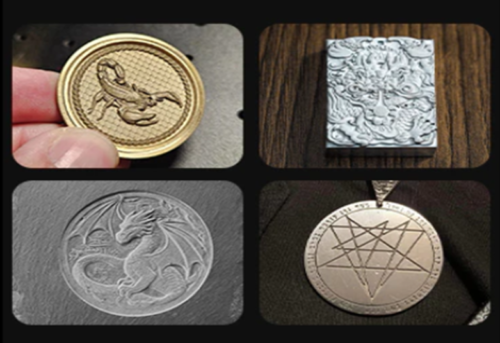
A laser engraver does something simple yet powerful: it transforms ordinary products into customized items customers are willing to pay significantly more for.
However, owning a laser engraver and running a profitable laser engraving business are two very different things. Successful businesses understand their customers first, choose profitable products second, and invest in equipment last.
This guide explains how successful laser engraving business is built, including startup costs, profitable product ideas, machine selection, pricing strategies, and practical advice for building a sustainable business.
Can You Really Make Money with a Laser Engraver?
Yes. The U.S. engraving services industry as a whole is projected to reach $2.0 billion by the end of 2025, having grown at a CAGR of 5.2% over the past five years
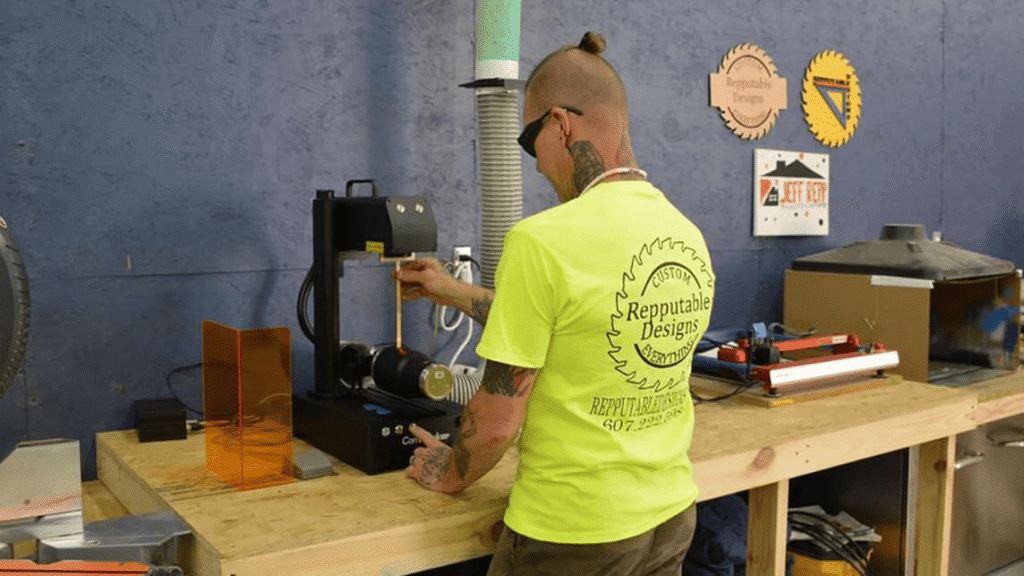
Thousands of entrepreneurs earn income with laser engravers, from home-based side businesses to full-time manufacturing workshops.
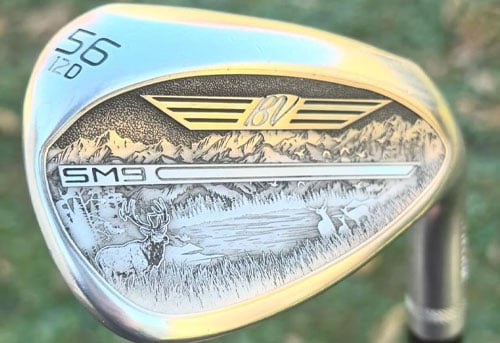
The machine itself doesn’t generate profit. A blank tumbler might cost $10. The same tumbler engraved with a company logo or customer’s name may sell for $35 or more.
Customization is what creates value.
Three Main Ways Laser Engraving Businesses Make Money From
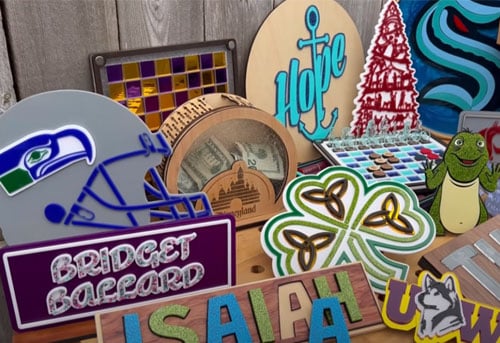
Personalized Products
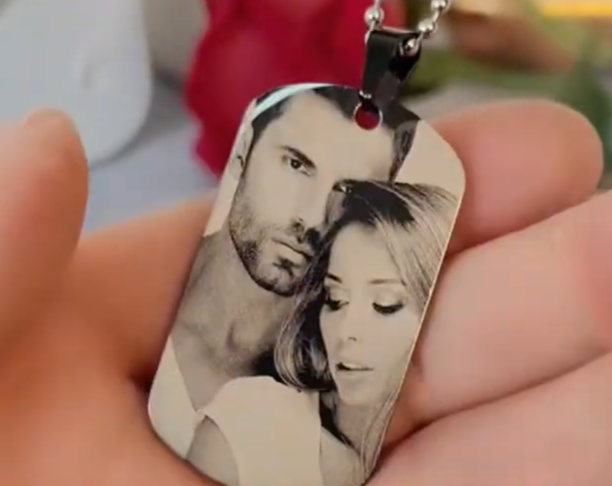
This is the most common entry point for beginners. Typical products include personalized drinkware, office gifts, jewelry, home décor, pet tags, and wedding gifts.
This model works well on Etsy, Amazon Handmade, craft fairs, and independent online stores.
Local Business Services
Many engraving businesses generate stable income by working with local companies.
Common projects include employee gifts, promotional merchandise, awards, signage, asset tags and labels.
Compared with consumer orders, business customers often place repeat orders throughout the year.
Industrial Marking
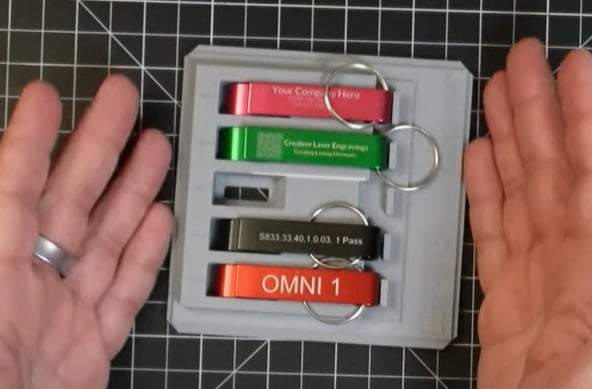
Manufacturers frequently require permanent marking for tools, compliance labels, product logos, and component identification.
This market generally offers larger order values and long-term customer relationships.

Need inspiration? Browse our guide to 19 profitable laser engraving business ideas.
Startup Costs for Starting a Laser Engraving Business
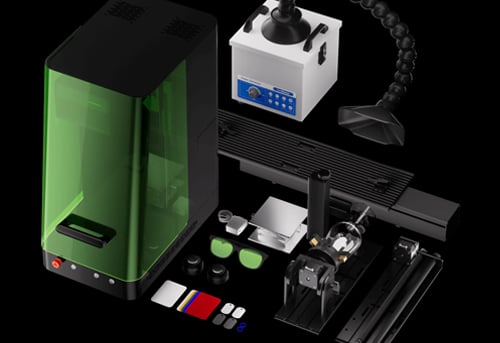
Startup usually costs more than the machine alone. A home-based business selling personalized gifts typically requires an investment of material and accessories, including:
| Item | Estimated Cost |
| Laser engraver | $1,000–8,000 |
| Materials and blanks | $300–1,000 |
| Accessories | $300–1,500 |
| Computer and software | $500–1,500 |
| Safety equipment | $100–500 |
| Packaging supplies | $100–500 |
How Long Does It Take to Recover Your Investment?
The return on investment varies significantly between businesses.
Based on our interview with some ComMarker laser users who turned laser engraving into a business, payback periods ranged from one month to eighteen months.
| Initial Investment | Break-even Time | Primary Sales Channel |
| Refuse to disclose | About 1 month | Local business referrals |
| $2300 | About 6 months | Instagram, Etsy, Shopify, local markets |
| $3400 | About 18 months | Part-time business with installment payment |
These examples illustrate an important point:
Businesses with existing customers, focused product niches, and effective marketing channels usually recover their investment much faster than businesses that simply purchase equipment and hope customers appear.
Choosing the Best Laser Engraver for Your Business
Choose Your Niche Before Buying a Machine
One of the biggest mistakes beginners make is buying equipment before understanding the market.
Successful businesses usually make decisions in this order:
Customer → Product → Material → Machine.
Before comparing machines, answer these four questions:
• What materials do customers need engraving? → Choose your laser type.
• Do you need engraving only, or engraving and cutting? → Choose the right machine style (galvo vs gantry).
• How many orders will you produce each week? → Choose the power that matches your production.
Once you’ve answered these questions, comparing laser machines becomes much easier.
Compare Laser Types for Small Businesses
| Laser Type | Best Materials | Best Business Types | Typical Investment | |
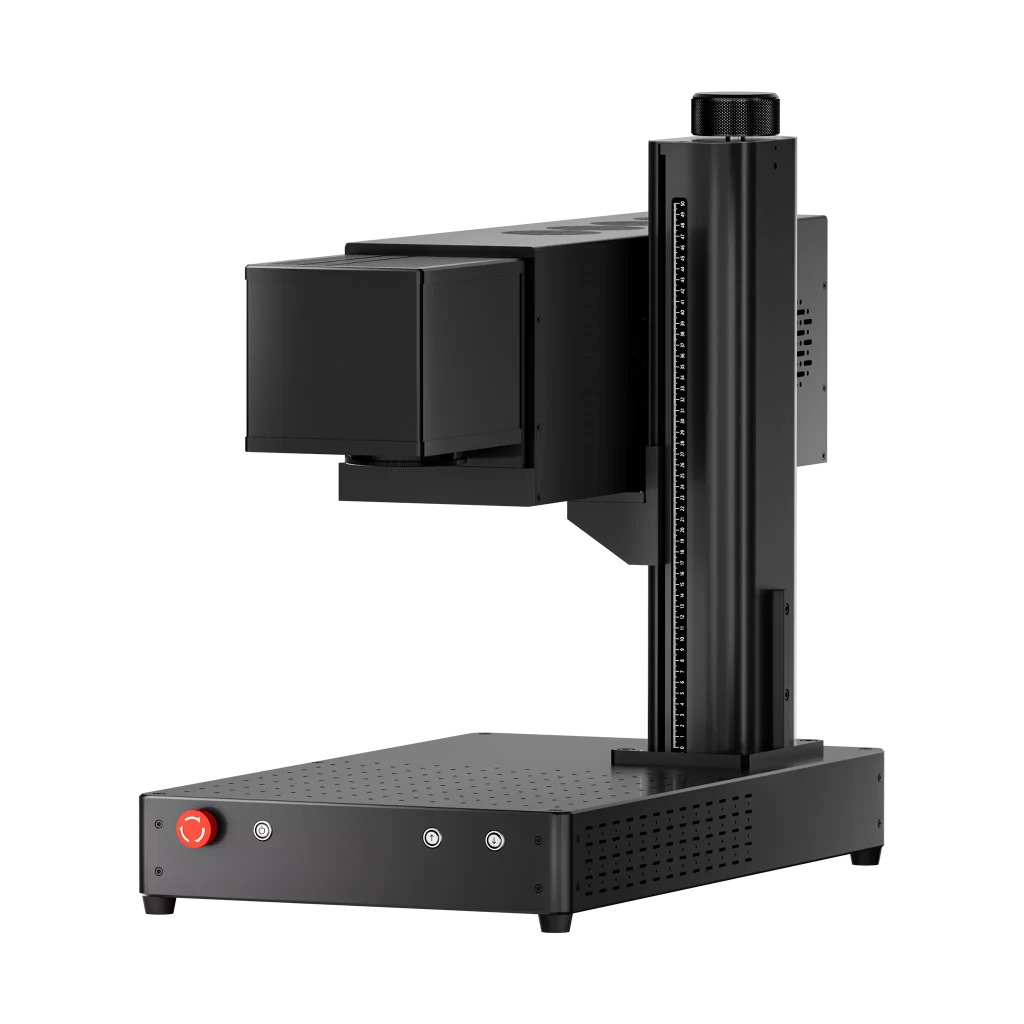
| CO2 Laser | Wood, acrylic, leather, tumbler, rubber | Home décor, signs, wedding gifts, craft businesses | ComMarker COX CO2 Laser Engraver
40W $2999 |
 |
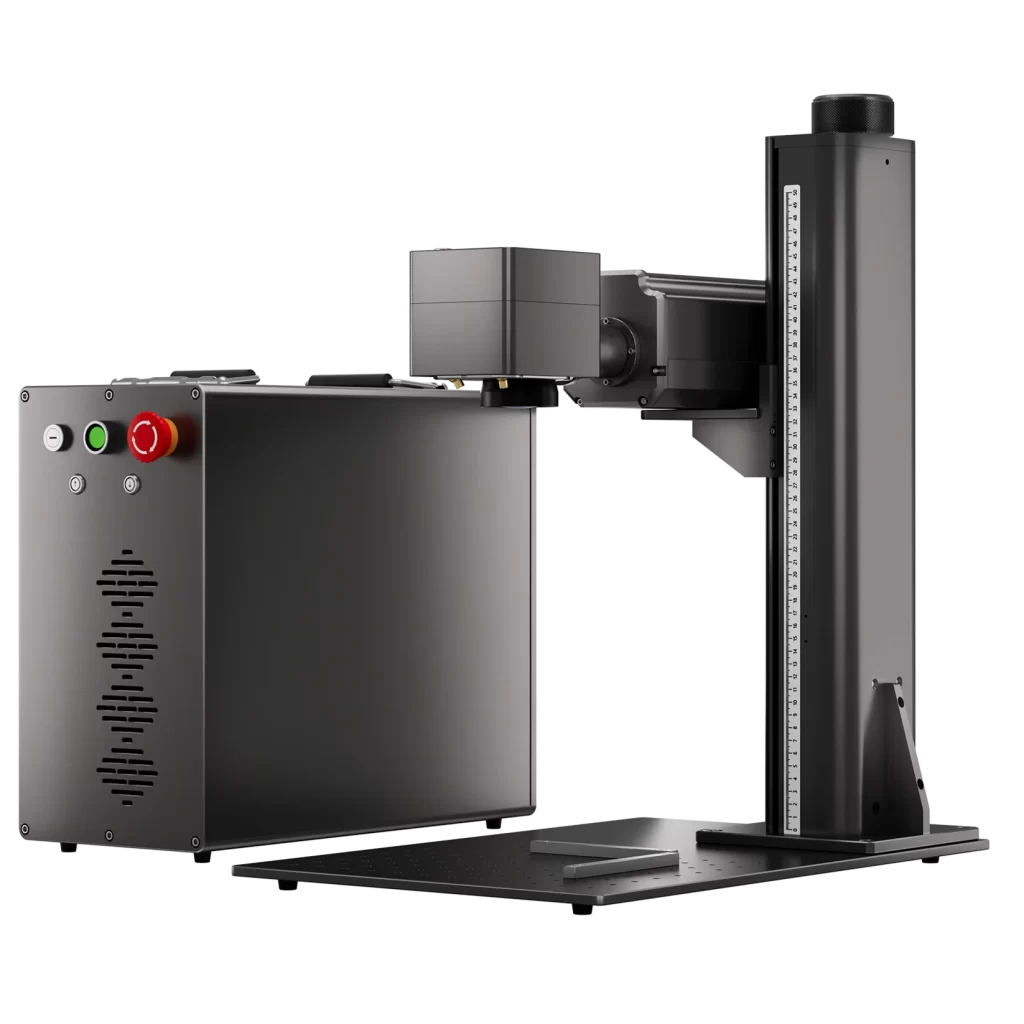
| Fiber Laser | Stainless steel, aluminum, brass, titanium, stone | Jewelry, drinkware, tools, industrial marking, promotional products | ComMarker Titan MOPA Fiber Laser Engraver
60W $4599 |
 |
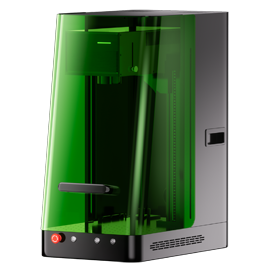
| UV Laser | Glass, wood, plastics, metals, fabric | Premium gifts, cosmetics, electronics, luxury packaging | Commarker Omni X UV Laser Engraver
6W $3599 |
 |
| Diode Laser | Wood, leather, painted metals, some plastics | Hobby businesses, Etsy startups, product validation | $800~ |
Rule of thumb: Choose the laser based on the material that will generate 80% of your revenue, not the occasional project you might receive. Different laser wavelengths excel on different material groups, making material selection the most important buying factor. This simple approach helps avoid overspending on features your business rarely uses.
Not sure which laser fits your business? Compare UV, fiber, and CO₂ laser engravers based on your materials and production goals.
Where to Sell Laser Engraved Products
Online marketplaces such as Etsy, Amazon Handmade, eBay, and Facebook Marketplace provide immediate customer traffic and make it easy to test new products.
Building your own website becomes valuable as your business grows. This strengthens your brand, encourages repeat purchases, and reduces marketplace fees.
Local partnerships can also become a reliable source of recurring revenue. Craft fairs, restaurants, wedding planners, real estate agencies, schools, sports clubs, and manufacturers frequently need customized products throughout the year.
One effective strategy is to approach local businesses with a sample engraved using their own logo. Demonstrating what you can create is often more persuasive than simply describing your services.
Most successful businesses combine several approaches instead of depend on a single sales channel.
Laser Engraving Pricing Strategies
Many beginners underprice their products because they focus only on material cost.
A sustainable pricing strategy should consider three elements:
• Material cost, including blanks, consumables, packaging, and shipping materials.
• Machine cost, including electricity, maintenance, depreciation, and replacement parts.
• Labor cost, covering design preparation, setup, production, quality inspection, and customer communication.
How to Stand Out from Other Laser Engraving Businesses
1.Validate Customer Demand Before Investing in Equipment
A proven market is more valuable than an expensive machine. Research what customers are already buying, identify profitable products, and test demand whenever possible before buying a laser.
2.Focus on a Specific Niche
A business specializing in corporate awards, personalized wedding gifts, pet products, or premium accessories is easier to market because customers understand its unique value.
3.Build Relationships with Repeat Customers
Recurring customers create more predictable revenue than relying only on one-time orders. Local businesses, event planners, schools, and corporate clients often need customized products throughout the year, making them valuable long-term partners.
4.Create Original Laser Engraving Designs Instead of Selling Common Files
Creating your own artwork, templates, and product concepts helps your business offer something customers cannot easily find elsewhere.
5.Use Professional Equipment as a Competitive Advantage
As your order volume grows, production efficiency becomes part of your competitive advantage.
This is why many growing laser engraving businesses eventually upgrade from entry-level hobby machines to professional systems.
For example:
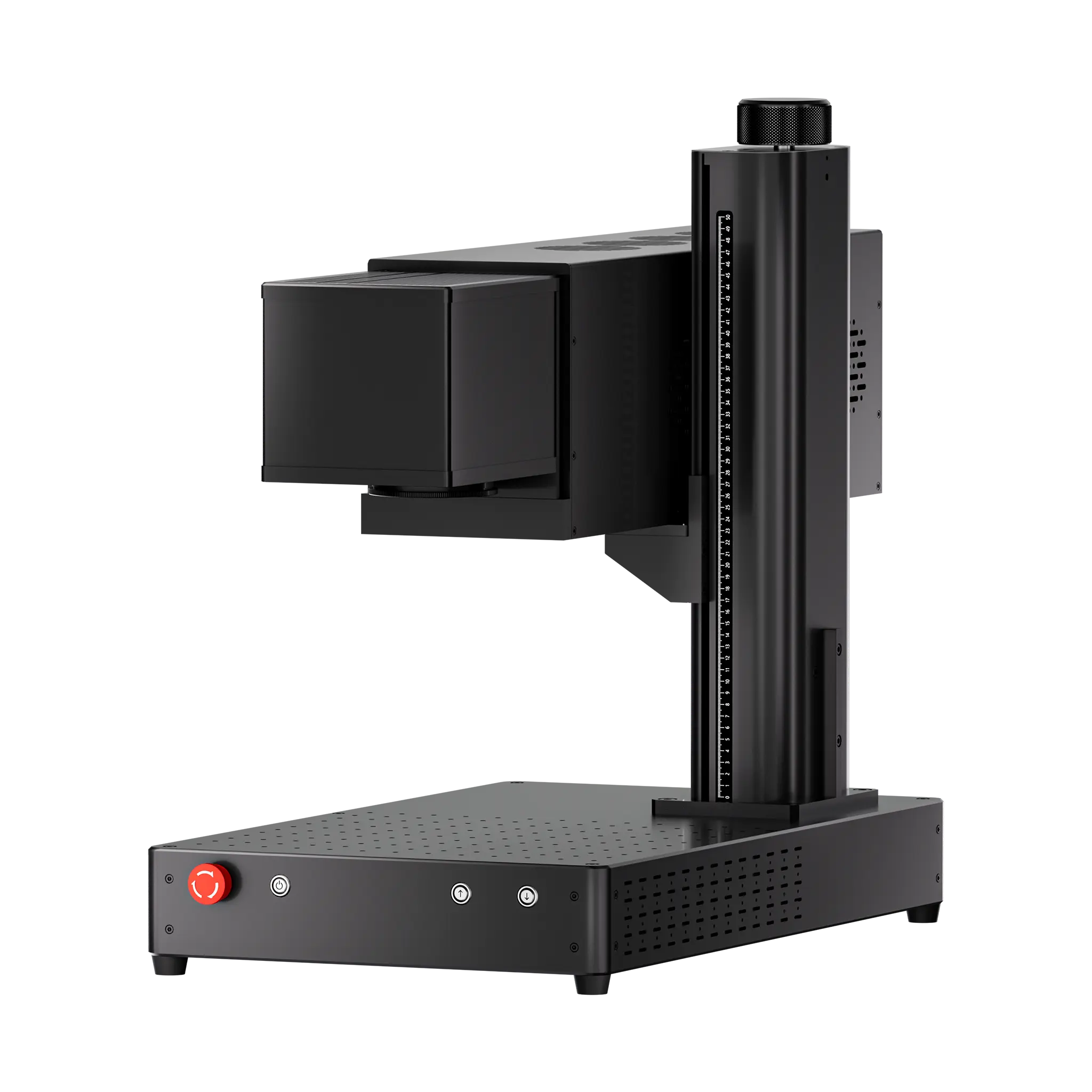
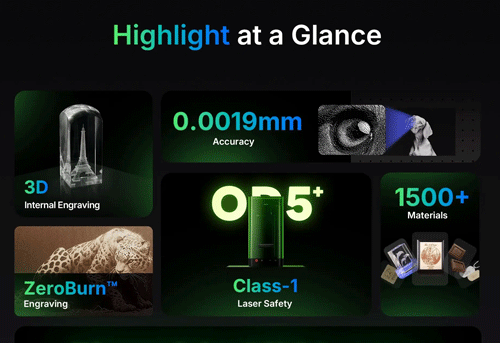
• ComMarker Omni X UV Laser combines LiDAR autofocus,0.0019mm spot size and 10000mm/s high-speed engraving on 1500+ materials, making it suitable for businesses producing personalized drinkware, promotional products, and high-detail branding applications.
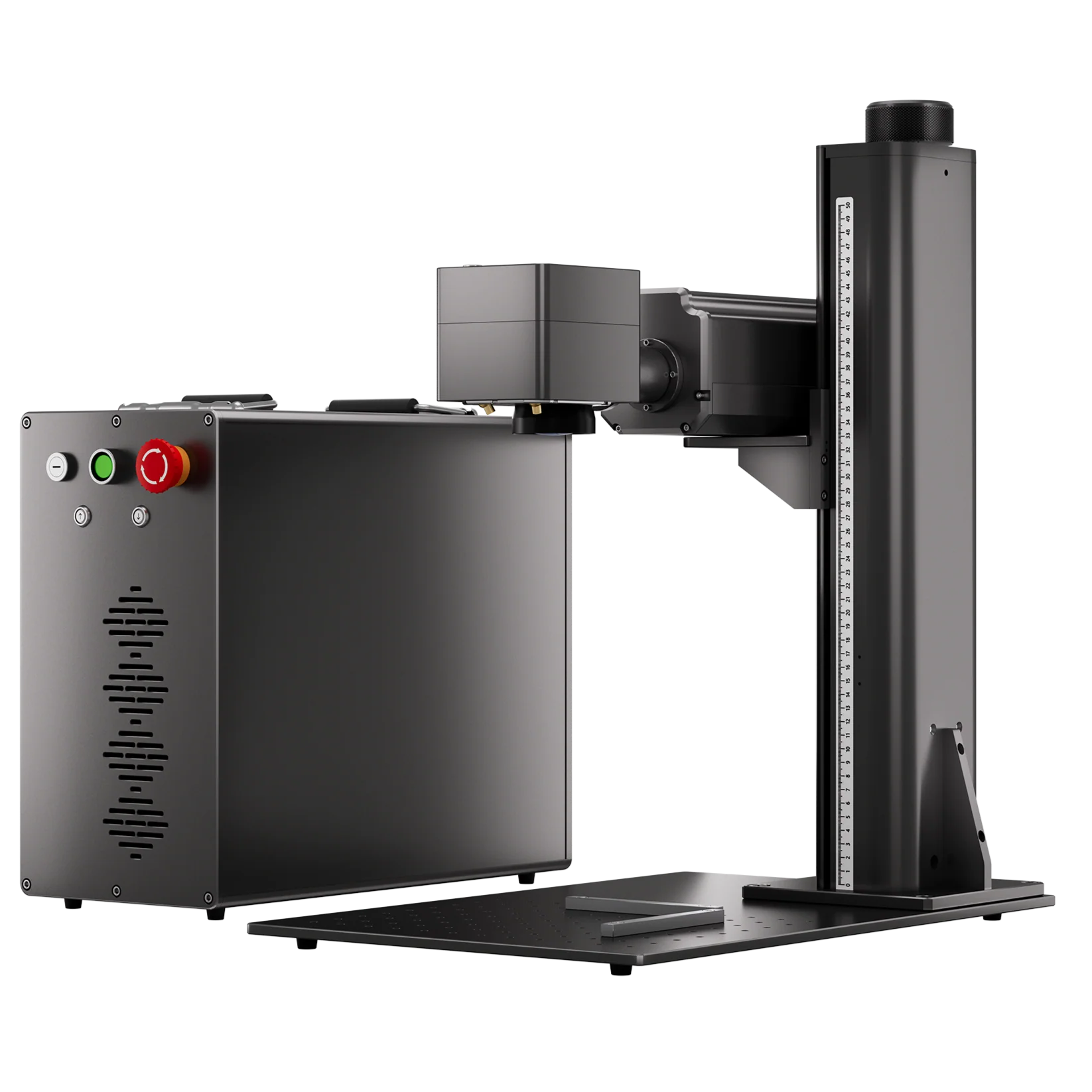
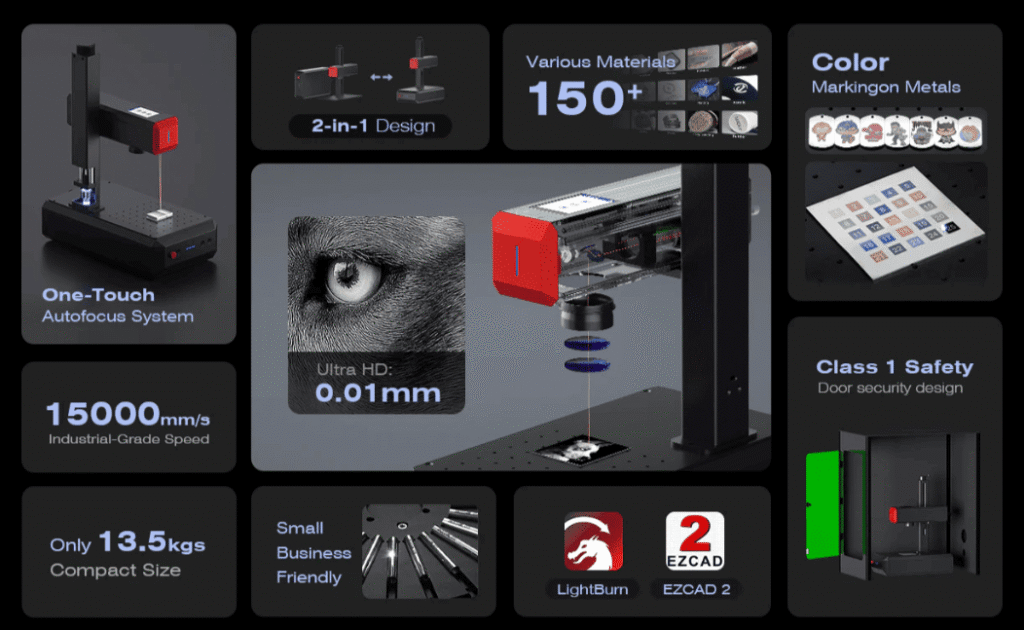
• ComMarker B6 MOPA Fiber Laser is designed for metal engraving businesses, offering MOPA color marking capabilities, autofocus, and 15000mm/s galvo operation for professional production environments.
Choosing the right equipment is about building a workflow that helps your business complete orders faster, maintain consistent quality, and expand into higher-value applications.
Real Customer Experience
As laser engraving businesses grow, the challenge often shifts from creating one impressive product to producing dozens or hundreds of identical items efficiently.
When Kerri, author of Cricut For Dummies, received an order for 81 customized tumblers, consistency mattered just as much as speed.
Using the ComMarker Omni X UV laser with a rotary attachment, she engraved each 32-ounce powder-coated stainless steel tumbler in approximately 4 to 5 minutes per side. Combined with standardized positioning, autofocus, and a simple cleaning workflow, the project was completed without production errors.
With blank tumblers costing under $10 and finished products selling for approximately $25~40, the project demonstrated how efficient workflows and consistent quality can create healthy profit margins.
Rather than relying on a single sale, Kerri also added QR code cards linking customers directly to her online store, turning each order into future marketing.
Final Thoughts
A laser engraver is only one part of a successful business. The businesses that grow consistently start by asking, “Who is my customer, and what problem can I solve?”
Once you identify the right market, choose profitable products, and build efficient workflows, selecting the right laser becomes much easier.
From personalized products to professional marking applications, ComMarker provides UV, fiber, and CO₂ laser solutions designed for different materials, production needs, and business goals.