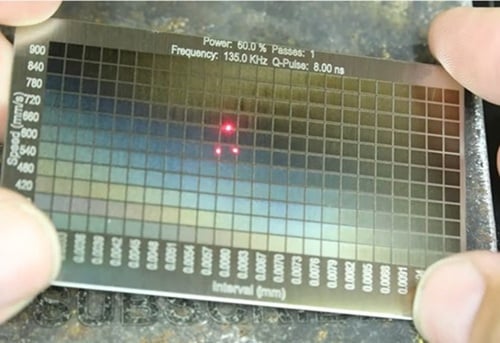
Laser engraving is known for its precision and durability, but how long does it actually last? and does laser engraving wear off?
In many cases, laser engravings are permanent. But the answer depends on several key factors, including the material, engraving depth,the laser power used, and the environment in which the item is used.
Whether you are creating laser engraved logos on stainless steel tumblers, engraved artwork on wood, laser engraved jeans, or laser etching on leather, understanding how durable the engraving is helps set realistic expectations and ensures better service.
In this article, we will share the key factors that impact how long a laser engraving lasts, how engraving on different materials last, address common questions and also cover how you can maintain and protect engraving for maximizing engraving durability.
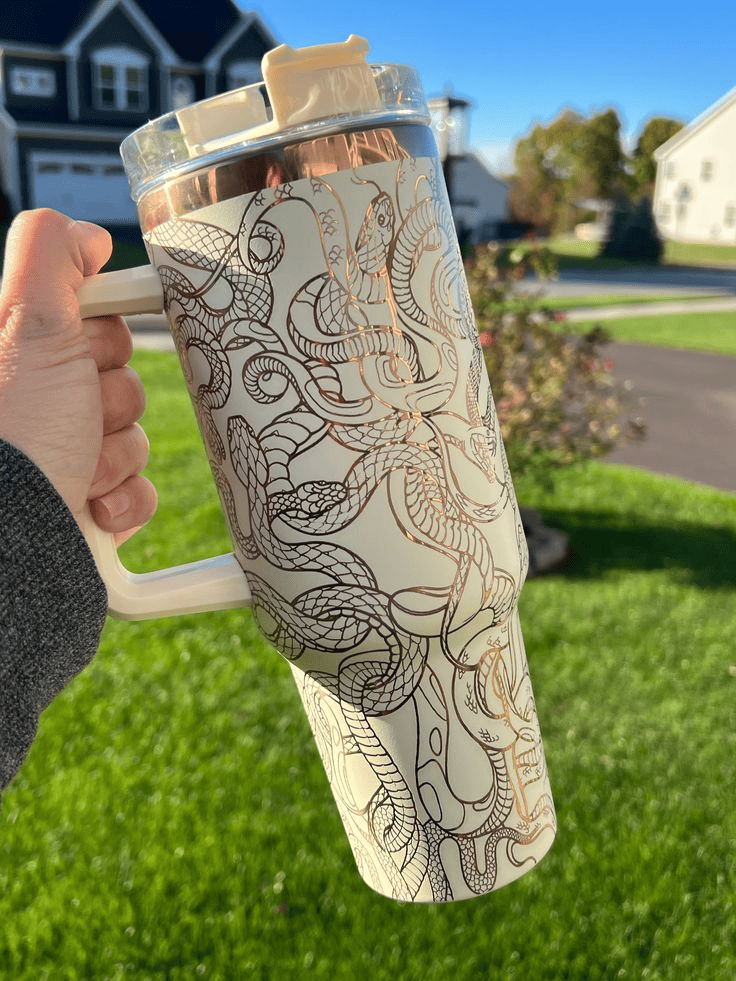
1. Understanding Laser Engraving: What Makes It Permanent?
Before exploring durability, it’s important to understand how laser engraving works.
Unlike traditional printing, laser engraving is a subtractive process. A high-powered laser beam etches, burns, or removes material from the surface. The laser beam removes or vaporizes the surface of the material to create a permanent mark.
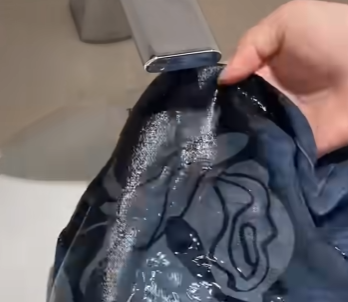
(washing laser engraved jeans)
How Laser Engraving Works
- Laser Beam: A highly focused laser beam is directed onto the material surface. The heat from the laser beam causes the material to vaporize, leaving behind a deep engraving.
- Material Interaction: The laser will either create a surface etching or cause a color change in the material without actually removing material. This process results in a permanent mark that is chemically bonded to the surface of the material.
- Depth and Detail: The depth of the engraving depends on factors such as the laser power, the material’s hardness, and the type of laser used (e.g., CO2, fiber, or UV lasers).
The key aspect that determines the longevity of laser engravings is the depth of the engraving. Deeper laser engraved wood or engraved metal logos last significantly longer than shallow surface etches.
2. Factors Affecting the Longevity of Laser Engravings
Several key factors influence how long a laser engraving will last. Understanding these factors will help you manage client expectations and ensure the longevity of your work.
Factor 1: Material Type
The durability of engraving largely depends on the material. Some materials are more durable and resistant to wear and tear, while others may fade or wear out more quickly.
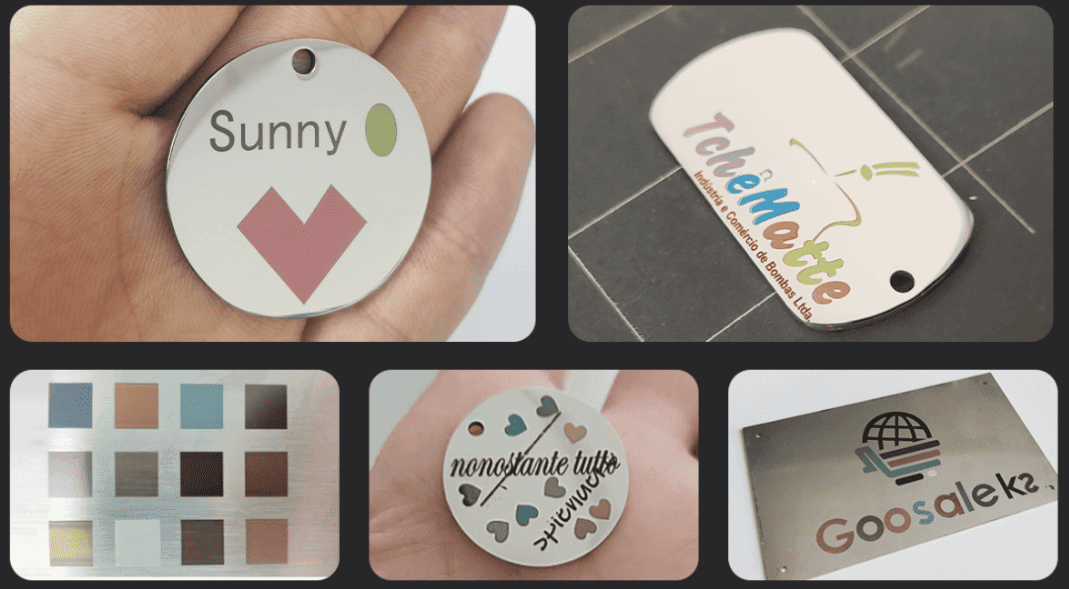
1. Metal (Stainless Steel, Aluminum, Brass, Copper)
Laser engraved metal marks, particularly on stainless steel, aluminum, brass, and copper, are incredibly durable.
Metals are resistant to abrasion, corrosion, and chemical reactions, making laser engravings on metal highly long-lasting.
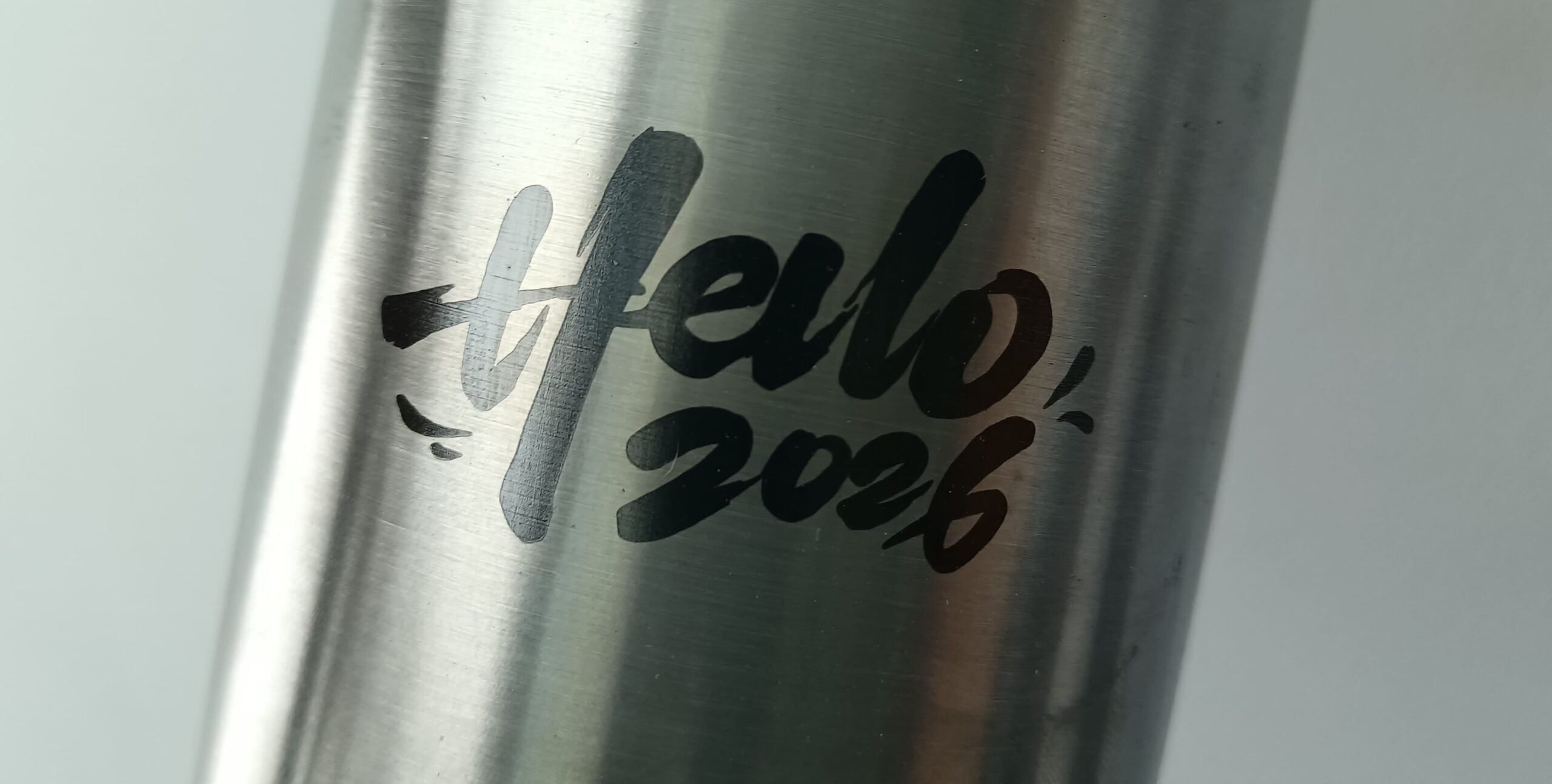
- Stainless Steel: Laser engravings on stainless steel can last for decades. Since the engraving is often a permanent mark that doesn’t wear off with use, it is perfect for items like laser engraved tumblers trophies, industrial parts, or custom jewelry.
- Aluminum: Aluminum also holds engravings well, while anodized aluminum (where the surface is treated with acid and electrolysis to create a protective layer) can make engravings even more durable.
- Brass and Copper: These metals hold laser etched designs well, and their engravings are fairly resistant to fading, although they may require additional maintenance to avoid tarnishing.
- Compared with UV laser engraver, fiber laser engraver are more effective on engraving metal. Although both laser can leave permanent marks on metal, UV laser engraver acheve higher accurate with 0.0019mm spot size, while fiber laser engraving machine could do deep metal engraving to make challenge coins.
2. Wood
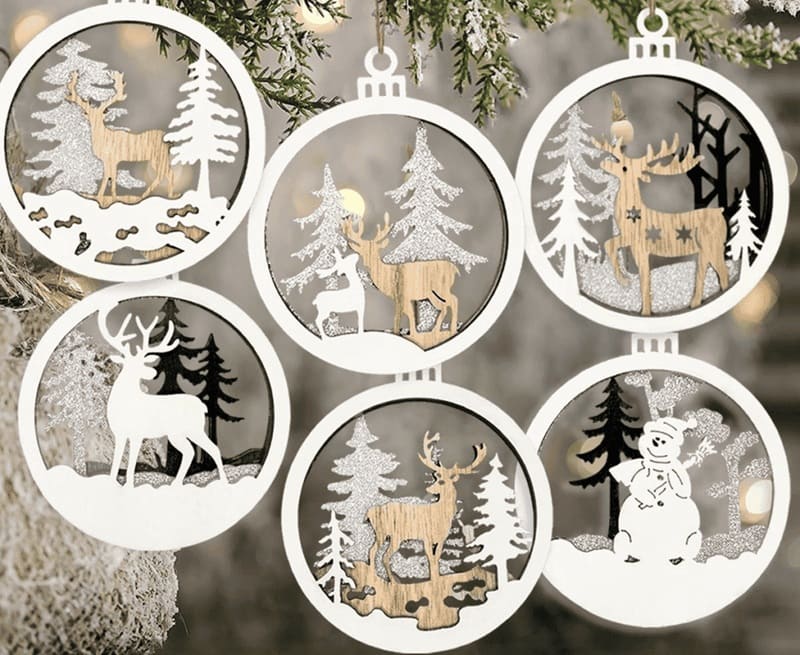
Wood laser engraving is popular for home décor, laser engraved wooden plaques, and wood signs. The longevity of wood engravings depends on the type of wood and whether the engraving is surface-level or deeper.
- Hardwoods (such as oak, maple, walnut): These woods hold deep engravings well, especially when deeper engravings are made. However, wood is more susceptible to wear, moisture, and UV damage, which can affect the engraving over time.
- Softwoods (like pine): Softwoods are easier to engrave but may wear down more quickly than hardwoods. Regular maintenance or refinishing can extend the life of engravings on softwood.
To prolong the life of wood engravings, it’s recommended to use a protective coating, such as varnish or lacquer, to seal the engraving and protect it from moisture and abrasion.
Check detailed guide for How to Use a Laser Engraving Machine to Achieve the Best Wood Engraving Results→
3. Leather
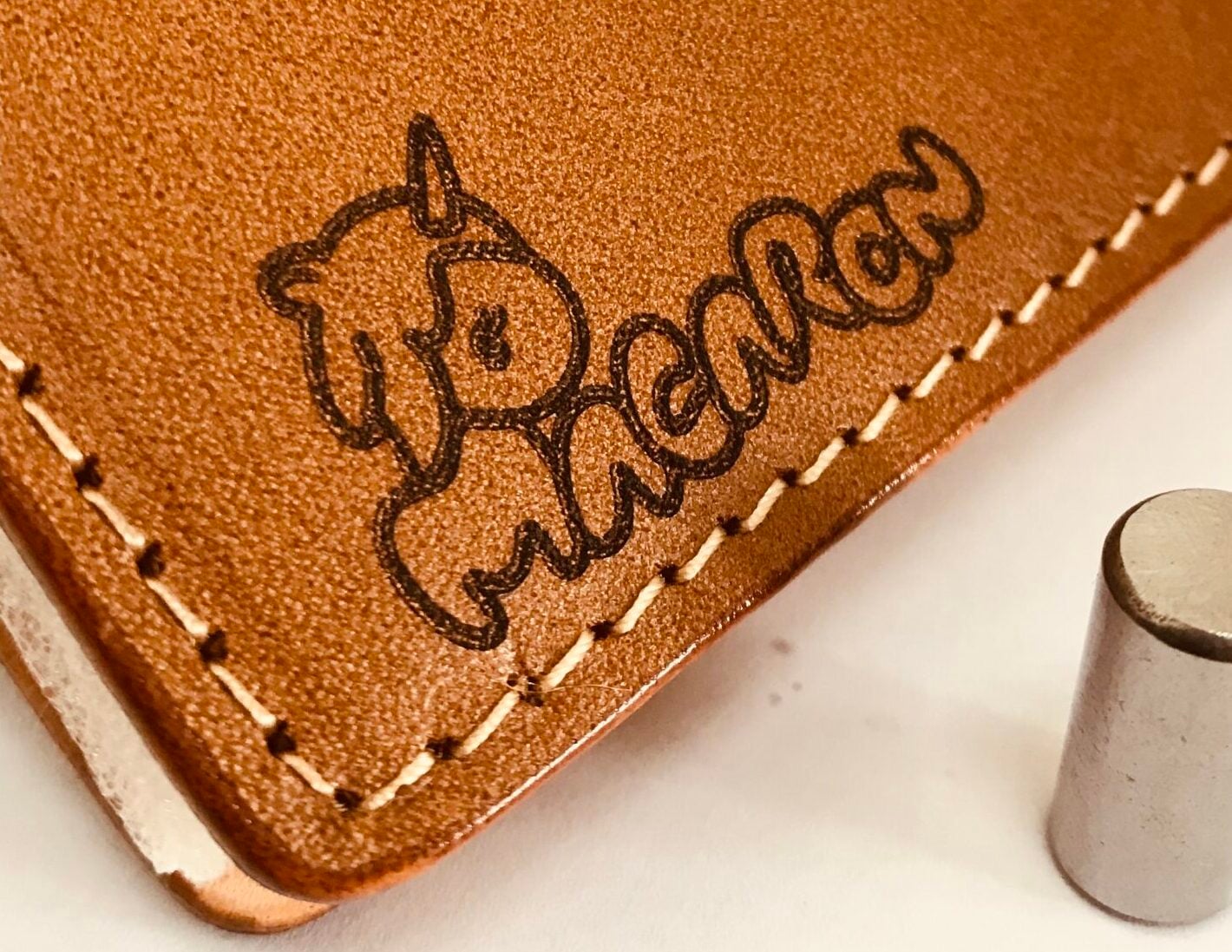
Laser engravings on leather are often used for items like wallets, belts, bags, and clothing. The durability of these engravings depends on the type of leather used.
- Genuine Leather: Engravings on genuine leather are generally permanent, but the durability can be affected by exposure to sunlight, moisture, and wear from frequent handling.
- Synthetic Leather: Synthetic leather may have a lower resistance to wear and might not hold engravings as well as genuine leather. Laser etched leather may fade over time, especially if the leather is exposed to friction or harsh chemicals.
To enhance the durability of leather engravings, a protective leather conditioner can be applied after engraving.
4. Glass
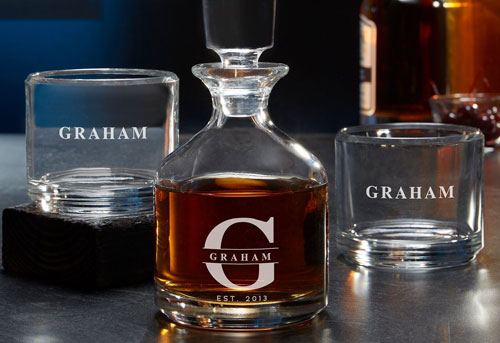
Laser engraving glass is commonly used for creating customized glassware, awards, and decorative items. Engraving on glass is highly durable but can be prone to damage if the glass is dropped or scratched.
- Glass Engraving: Laser engravings on glass are permanent and etched into the surface, making them resistant to fading. However, glass is more fragile, laser engraved glass are more sensitive to heat. Therefor its highly recommened to use thick glass or prevent engraving thin glass with ful rapping pattern.
- Surface vs. Deep Engraving: Surface-level engravings may wear down more quickly than deeper engravings. Deep engraving could create 3d relief on glass, making them great for awards or wine glasses.
5. Plastic
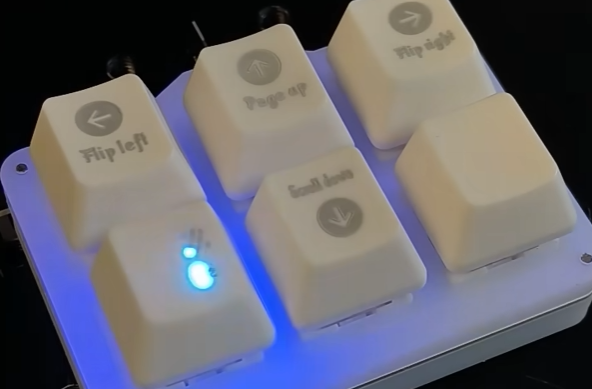
Plastic is often laser-engraved for products like phone cases, signs, and promotional items. The durability of engravings on plastic can vary widely depending on the type of plastic used.
-
- Acrylic: Acrylic holds engravings well, and the engravings are generally permanent. However, acrylic can be scratched more easily than metal or glass.
- PVC and Other Plastics: While some plastics can hold engravings well, they may degrade over time, especially with exposure to UV rays, heat, and abrasion.
6. Stone and Ceramic
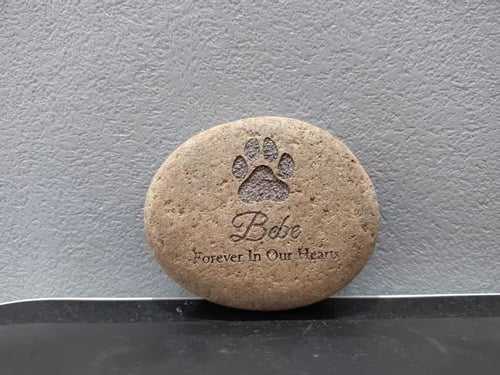
Laser engravings on stone (like granite, marble) or ceramic are very durable. These materials hold engravings extremely well, making them ideal for memorials, awards, and custom decor.
-
- Stone Engraving: Deep, high-precision engravings on stone can last for centuries with little to no fading or wear, making them ideal for long-term projects like gravestones.
- Ceramics: Ceramics are also a good material for engraving, although the engraving depth and surface finish play a big role in the engraving’s longevity.
7. Laser engraved Fabric
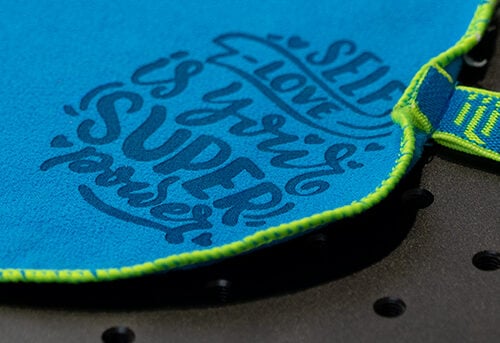
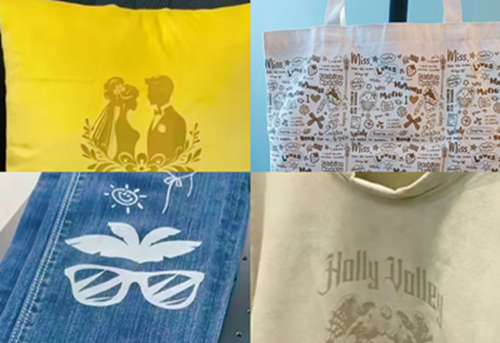
Laser engraving on denim or other fabrics is gaining popularity. Laser engraver fade the paint in fabric or burn fabric surface to create detailed marks.
- Canvas, Jeans: High-precision and durable engravings. Maintain well even after washing.
- Cotton: Require more care.
Check detailed guide for laser engraving different fabric for best results→
Factor 2: Engraving Depth and Power
The depth of the engraving has a significant impact on how long it will last.
Shallow engravings, where only the surface is etched, may wear down more quickly, especially if they are exposed to friction, chemicals, or UV light.
Deeper engravings, however, tend to last much longer because the design is physically engraved into the material and is more resistant to damage.
Tip for businesses: For laser engraving tumblers, wood plaques, or fabric items, adjust laser power to ensure proper depth.
Factor 3: Protective Coating
Adding a protective coating after engraving can significantly extend the lifespan of your designs. Depending on the material, this could include:
- Varnish or Lacquer for Wood: To prevent moisture and dirt from damaging the engraving.
- UV Protective Coatings for Leather: To help preserve the engraving from UV exposure.
- Protective Films for Metal: To prevent corrosion and wear.
Factor 4: Environmental Factors
The environment in which your laser-engraved product is used can significantly impact its longevity. Common environmental factors include:
- Exposure to UV light: Extended exposure to UV light can cause fading or discoloration of the engraving, particularly on materials like wood, plastic, or leather.
- Moisture and Humidity: Wood and leather engravings are especially vulnerable to moisture. Excessive humidity can cause fading, warping, or deterioration of the engraving.
- Friction and Abrasion: Products that are subjected to frequent handling or physical wear (like jewelry or engraved tools) can experience a loss of detail over time, especially on softer materials.
Factor 5. Regular Maintenance and Care
Maintaining your laser engravings by cleaning and conditioning them regularly can ensure that they last longer. For example:
- Metal: Use a soft cloth to wipe off any dirt or residue. Apply a metal cleaner or polish to keep the engraving clean.
- Wood: Dust the engraving frequently and apply a wood conditioner or protective coating as needed.
- Leather: Use a leather conditioner to keep the engraving in good condition, especially if it’s a high-touch item.
How Long Does Laser Engraving Last on Common Materials?
Here’s a breakdown of how long laser engravings generally last on some common materials:
| Material | Longevity of Engraving | Maintenance Tips |
|---|---|---|
| Metal | 10+ years (potentially permanent with proper care) | Keep clean, polish to avoid oxidation. |
| Wood | Several years (with coating) | Seal with varnish or lacquer for protection. |
| Leather | Several years (depends on exposure and usage) | Use leather conditioner, avoid excessive friction. |
| Glass | Permanent (as long as no physical impact occurs) | Clean carefully to avoid scratching. |
| Plastic | Several years (may fade with UV exposure) | UV protective coating recommended. |
| Stone | Hundreds of years (virtually permanent) | Minimal care needed, keep clean. |
Final Thoughts
Laser engraving can last a lifetime if properly maintained.
However, the longevity of your engravings depends on the material, engraving depth, protective coatings, and environmental factors. By understanding these factors and taking appropriate steps to protect your engravings, you can ensure that your designs remain vibrant and durable for years to come.
For businesses, offering products that have long-lasting engravings not only increases customer satisfaction but also helps build a reputation for quality and durability. Whether you are engraving on metal, wood, leather, or glass, understanding these basics of laser engraving longevity will help you create products that last.