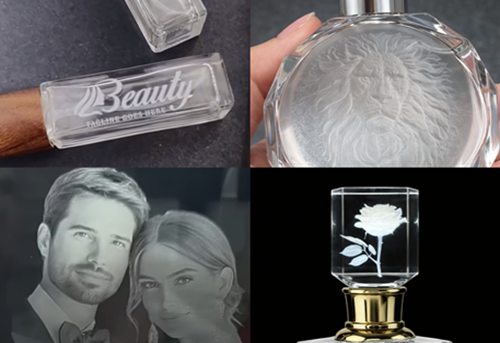
In jewelry mold making, hardware manufacturing, coin dies and other precision metalworking applications, impression dies and shot plates are essential tools for transferring patterns, textures, and details onto metal surfaces.
Compared with conventional machining methods, fiber laser deep engraving offers high precision, flexible design changes, and the ability to reproduce complex patterns and fine details.
Based on practical processing experience, this guide explains how fiber laser deep engraving works and how to use a fiber laser engraver to produce high-quality impression dies and shot plates from stainless steel and tool steel.
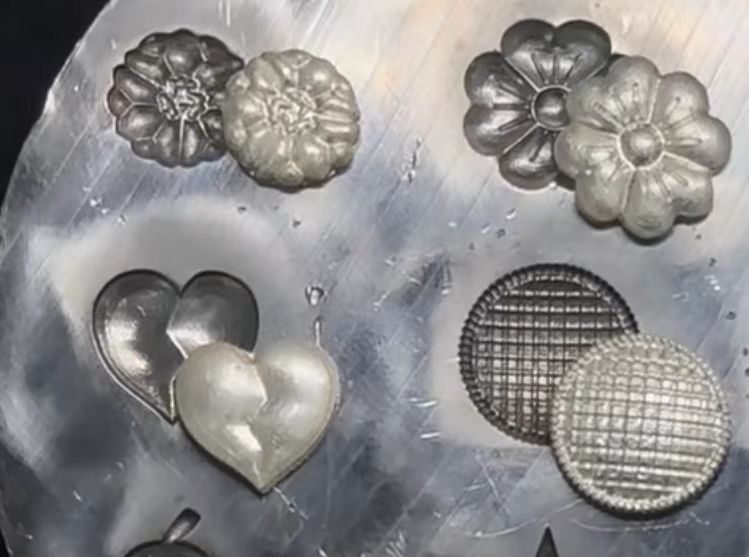
What Is Fiber Laser Deep Engraving?
Fiber laser deep engraving uses a highly focused, high-energy-density laser beam to melt and vaporize material.
By repeating the process, the laser can progressively create deeper cavities, reliefs, and three-dimensional surface structures.
Fiber laser engraving is a non-contact process. There is no milling tool needed to physically enter the cavity, making laser processing particularly useful for small features, intricate patterns, and hardened metals.
How Deep Can a Fiber Laser Engrave?
There is no universal maximum depth for fiber laser engraving. Practical depth depends on laser power, laser setting, and engraving time.
However, the higher the laser power, the more material can be removed per pass, making higher-power laser engraving machines more suitable for applications that require frequent deep engraving.
Recommended Laser Power for Efficient Deep Engraving at Different Depths:
| Fiber Laser Power | Typical Deep-Engraving Range* |
| 20W | 0.2–0.5 mm |
| 60W | Around 3 mm |
| 100W+ | Around 5 mm |
*These figures are application-dependent reference values rather than universal depth limits.
For businesses that regularly manufacture deep dies or molds, investing in a higher-power fiber laser can significantly improve production efficiency.
Best Laser Engraver for Impression Dies and Shot Plate Engraving
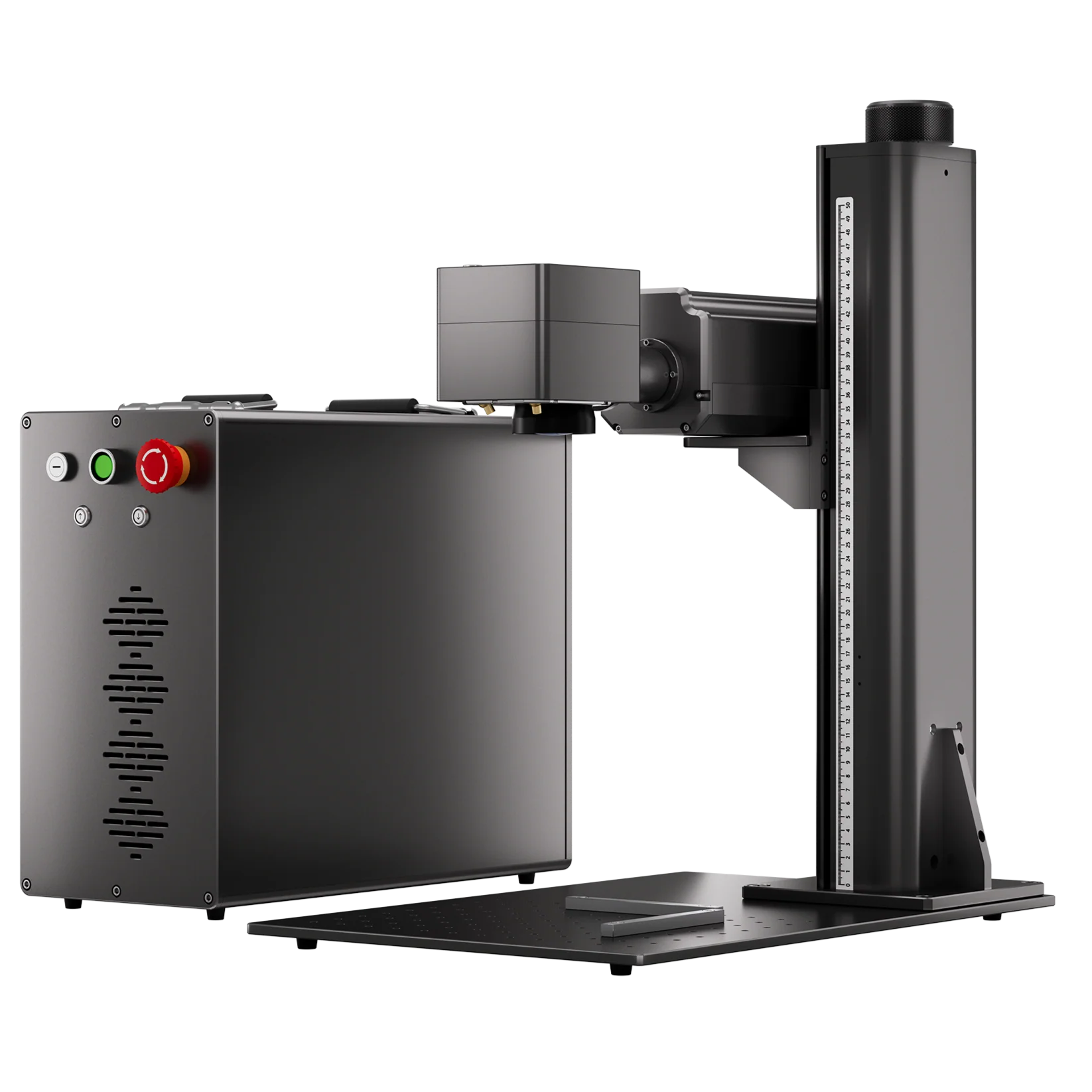
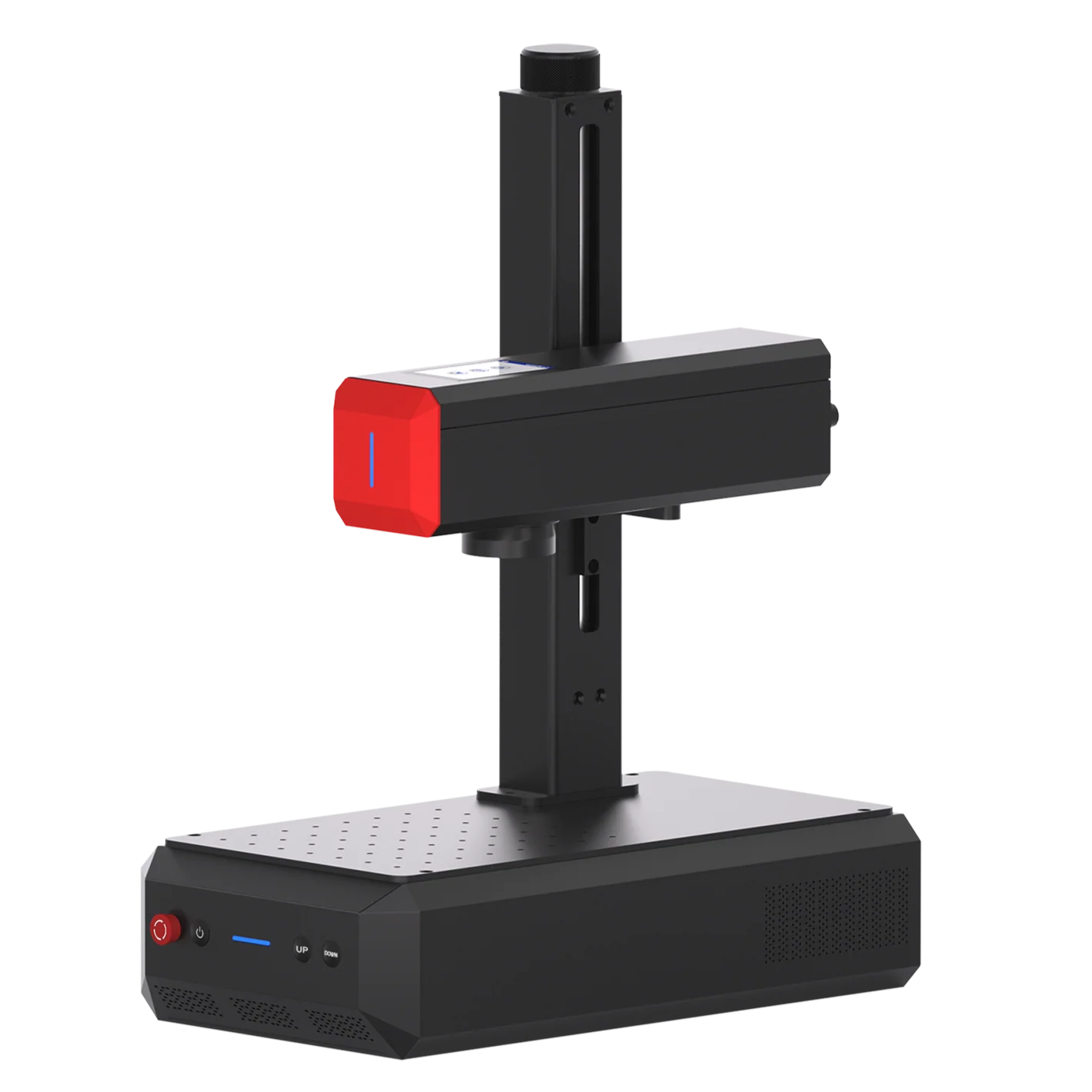
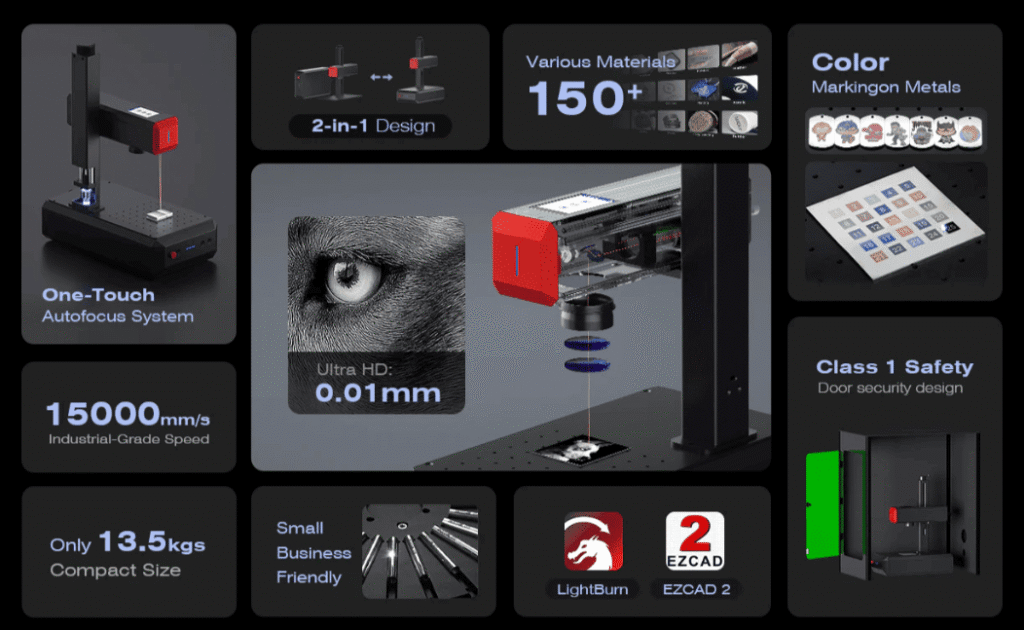
ComMarker B6 MOPA: Best for Precision & Shallow-to-Medium-Depth Die Engraving
The B6 MOPA is designed for applications where precision matters more than maximum material-removal speed.
• 20W–60W power for flexible engraving requirements
• 0.01 mm spot size for fine details
• Adjustable pulse parameters for engraving control
• Autofocus LED system for quick setup
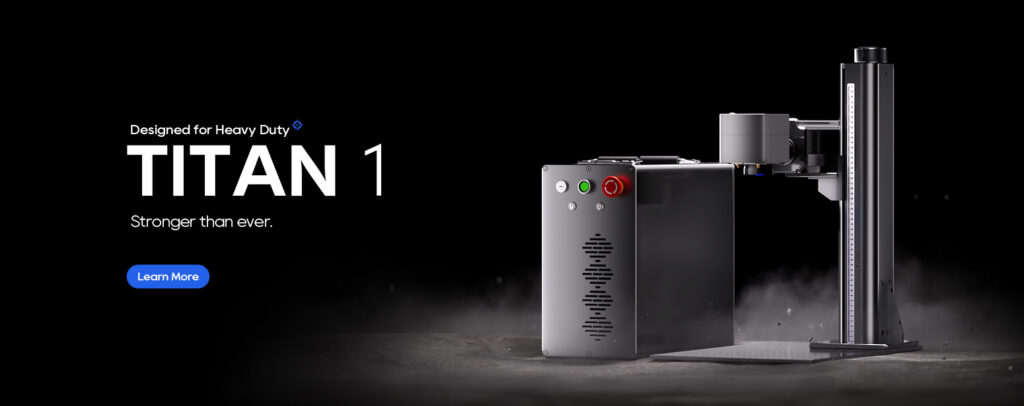
ComMarker Titan MOPA fiber laser: Best for Deep Die Engraving & Fast Material Removal
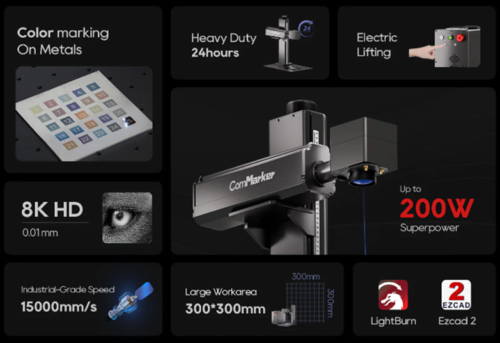
The Titan MOPA is built for deeper engraving and faster material removal is a priority.
• Up to 200W power for faster deep engraving
• 0.01 mm spot size for detailed cavity features
• Adjustable pulse parameters for process control
• Designed for deep dies and industrial tooling
Best Materials for Laser-Engraved Dies and Shot plates
Fiber lasers can process many commonly used metals including brass, stainless steel, carbon steel. For production tooling, the final material choice should therefore consider not only laser machinability but also the required hardness, wear resistance, and service life of the finished die. The best material for dies and plates are:
304 Stainless Steel
304 stainless steel is relatively accessible for fiber laser processing and can produce clean cavity bottoms and sharp internal edges when appropriate pulse parameters, hatch spacing, and cleaning strategies are used.
Tool Steel
Tool steels such as A2, D2, and H13 offer higher hardness and wear resistance, making them suitable for dies that need to withstand repeated mechanical use.
However, deep engraving tool steel can be more challenging. Compared with 304 stainless steel, the cavity bottom may develop a rougher or more granular appearance, while internal edges may require additional finishing passes to achieve the desired surface quality.
How to Laser Engrave an Impression Die or Stamping Plate
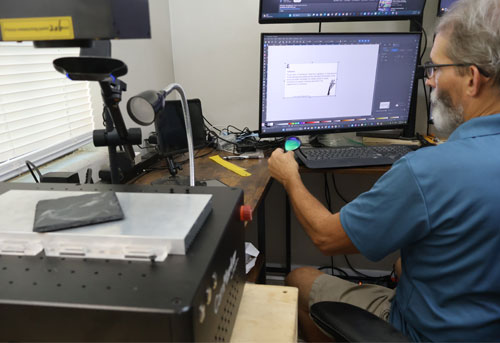
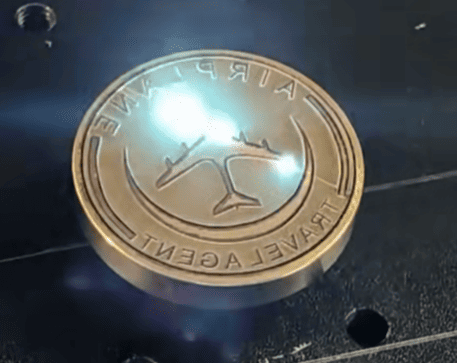
For standard deep engraving, such as creating a recessed logo or cavity, you can simply import the design and use multiple passes to progressively remove material and stop the laser at required cavity depth.
2.5D or Variable-Depth Engraving
For designs that require different areas to be engraved to different depths, such as industrial dies and complex jewelry molds, a grayscale depth map can be used to control the engraving depth.
A depth map is a grayscale image in which pixel brightness represents engraving depth. In a typical workflow, darker areas are assigned more engraving passes and therefore become deeper, while lighter areas receive fewer passes or remain unengraved.
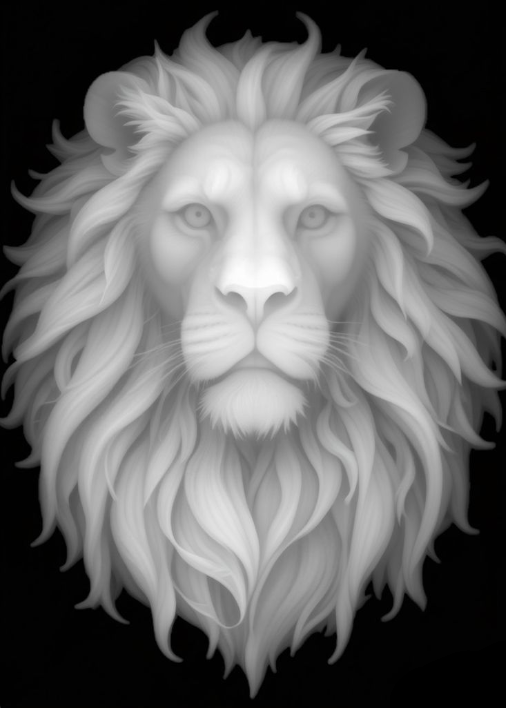
LightBurn’s 3D Sliced Image Mode can be used to convert grayscale depth information into multiple engraving layers.
Laser Engraving Workflow
1.Import the depth map and remove any unwanted background.
2.Select 3D Sliced mode in LightBurn.
3.Set the laser parameters, including power, speed, frequency, pulse width, and line interval.
4.Preview the location and start the engraving process.
5.Adjust the focus distance during engraving.
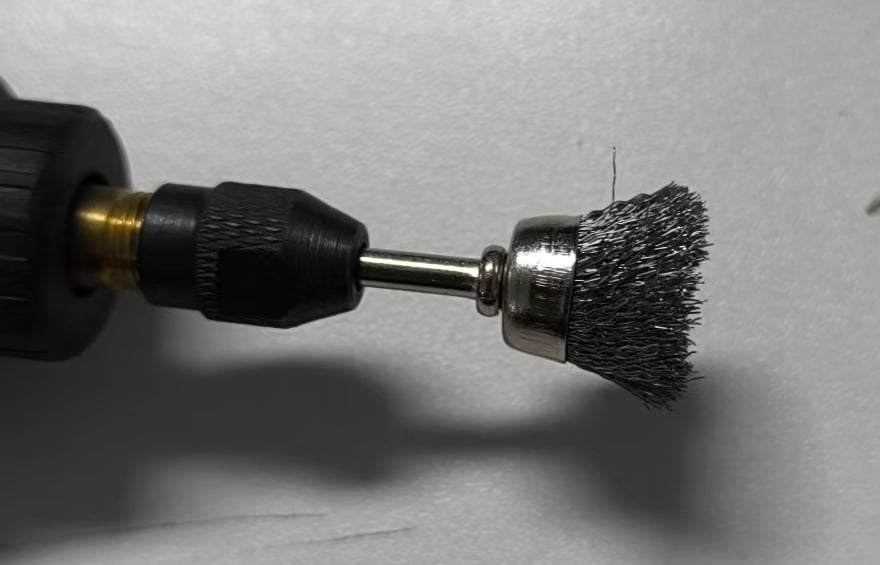
6.Clean the engraved workpiece with rotary grinding pen or a polisher.
How Fiber Laser Parameters Affect Deep Engraving Result
1. Power
Higher power increases the energy delivered to the workpiece and can improve material removal efficiency. For example, a 20W fiber laser engraver may be operated at approximately 90–100% power during rough engraving.
However, maximum power is not automatically the best setting for every application as excessive heat can increase the amount of recast material and affect cavity quality.
2. Speed
Reducing scanning speed increases the energy delivered per unit area, generally resulting in greater material removal.
For example, in a 20W fiber laser stainless steel engraving test:
• 100 mm/s: approximately 0.30 mm engraving depth
• 200 mm/s: approximately 0.152 mm engraving depth
3. Frequency
For deep metal engraving, lower frequencies can increase the material removed by each individual pulse.
For example, one 100W fiber laser stainless steel engraving test produced:
• 100 kHz: approximately 0.55 mm engraving depth
• 300 kHz: approximately 0.35 mm engraving depth
MOPA fiber lasers provide additional flexibility because pulse width and frequency can be adjusted independently. This makes MOPA systems particularly useful when balancing material removal, heat input, and surface finish.
ComMarker’s B6 MOPA and ComMarker Titan provide adjustable pulse width and frequency for applications including deep metal engraving.
4. Pulse Width
For MOPA fiber laser deep engraving, a practical starting range can be around 200–270 ns
Longer pulse widths, such as approximately 240 ns, can provide greater energy per pulse under appropriate operating conditions and may increase material removal.
However, shorter pulses can also be useful when the priority is finer detail and lower thermal impact.
5. Line Distance
Line distance (also called hatch spacing) directly affects both engraving efficiency and surface quality.
A practical starting range is:
• Rough engraving: 0.05 mm
• Finishing: approximately 0.03 mm or tighter when necessary
A tighter hatch can improve surface uniformity but increases processing time. The optimum value therefore depends on the required cavity depth, material, laser power, and desired surface finish.
6. Focus Offset
As engraving becomes deeper, the bottom of the cavity moves farther away from the original focal plane. This can reduce energy density at the engraving surface.
One practical approach is to gradually adjust the focus position as the cavity becomes deeper.
For example, on ComMarker fiber laser systems, lower the focus position every 30 minutes for 0.5–1 mm (half a turn of the knob on the column) during long deep-engraving jobs.
7. Cleaning Pass
For long deep-engraving jobs, periodic cleanup passes can help remove loose debris and improve surface finish.
Practical Stainless Steel Deep Laser Engraving Setting & Examples
20W ComMarker B4 Fiber Laser
Lens:110*110mm
Speed: 100 mm/s
Power: 90%
Frequency: 20 kHz
Result: approximately 0.3 mm depth on a 5 mm diameter circle in around 2 minutes.
200W ComMarker Titan MOPA Fiber Laser
Lens:110*110mm
Power: 90%
Speed: 2000 mm/s
Frequency: 190 kHz
Line interval: 0.05 mm
Result: achieved approximately 3 mm depth in a 15 mm diameter circle in around 15 minutes.
Applications of Fiber Laser Deep Engraving for Dies and Plates
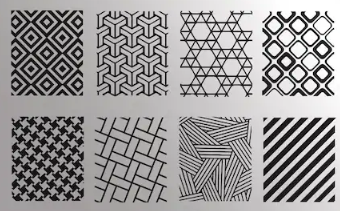
1. Nail Art Stamping Plates
Nail art stamping plates are used to transfer patterns onto fingernails. The key requirement is sufficient depth without excessive depth.
If the engraved pattern is too shallow, it may not hold enough nail polish. If it is too deep, excess polish can remain in the cavity and cause the transferred pattern to become blurred.
A practical starting depth can range from approximately 0.005 to 0.25 mm. Laser processing can be useful when design flexibility and small feature reproduction are important.
2. Coin Die Laser Engraving
Coin dies require precise relief, sharp details, and durable surfaces to repeatedly transfer designs onto coins and medals.
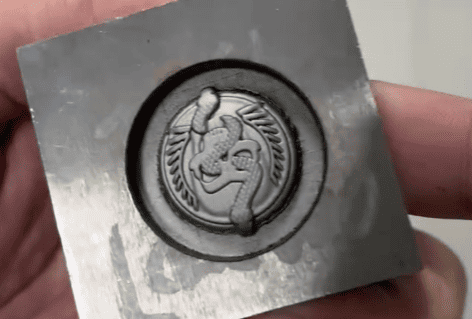
Fiber laser deep engraving can create intricate portraits, lettering, textures, and 2.5D relief directly on metal dies.
3. Shot Plates
Shot plates are used as forming or stamping tools for transferring patterns onto metals such as silver and copper.
For deeper applications, typical cavity depths may range from approximately 1.5 to 3 mm, depending on the specific forming process and design.
2.5D laser engraving can create controlled depth profiles and complex cavity geometries.
For industrial deep-engraving applications, fiber laser engravers above 50W can provide significantly greater material-removal capability than low-power systems.
4. Impression Dies
An impression die creates raised or recessed patterns on the surface of a workpiece.
Because the die directly determines the final shape of the product, dimensional accuracy, cavity depth, edge definition, and surface finish are critical.
When Should You Choose Fiber Laser Deep Engraving?
Fiber laser deep engraving offers several advantages for die and plate engraving
High-Precision Forming: Laser deep engraving can reproduce complicated textures that may require multiple tools or complex machining operations using conventional processes.
Material Flexibility: Fiber lasers are suitable for a wide range of metals, including stainless steel and various tool steel. This makes them useful for different types of dies, inserts, and forming tools.
Compact Footprint: Fiber laser engravers takes desktop size, smaller than many industrial milling systems.
For small-batch production, customized dies, and applications involving frequent design changes, this can reduce tooling preparation and shorten the transition from digital design to finished part.
This makes fiber laser deep engraving particularly valuable for shallow-to-medium-depth, high-complexity dies, stamping plates, jewelry molds, and customized tooling.
However, fiber laser deep engraving is not always the most economical solution
As engraving depth increases—particularly beyond approximately 3mm—material removal becomes progressively more time-consuming. For large cavities or high-volume material removal, CNC roughing or EDM may be more economical.
Conclusion
Fiber laser deep engraving is well suited to detailed dies, stamping plates, mold inserts, and customized tooling, particularly for complex designs, small batches, and frequent design changes.
Ready to Go Deeper?
For fine details, shallow-to-medium-depth engraving, and precision-focused applications, a ComMarker B6 MOPA fiber laser is a practical choice.
For deeper cavities, faster material removal, and demanding industrial tooling applications, ComMarker Titan MOPA fiber laser provide higher power for improved deep-engraving efficiency.
Choosing the right laser power and processing parameters can help you achieve the required depth, detail, and surface quality for your application.