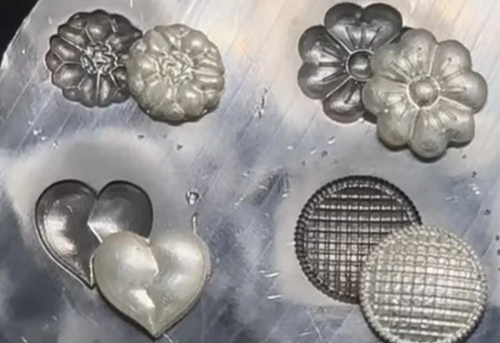
As electronic products become smaller and more complex, manufacturers need to identify a growing variety of components and finished products. From connectors, switches, and metal parts to electronic housings, small appliances, and consumer devices, each application can come with different material and marking requirements.
Laser marking provides a flexible way to add identification and branding directly to these products. This guide covers common electronic component marking applications, suitable materials, laser options, and achievable marking precision, helping you identify the right approach for your specific application.
Why Use Laser Marking for Electrical and Electronic Components?
Laser marking offers a permanent, precise, and non-contact way to identify electrical and electronic components. Unlike labels that can peel off or ink that can fade and smear, laser marks are designed to remain readable through handling, heat, cleaning, and long-term use.
Its fine marking capability allows manufacturers to fit text, logos, serial numbers, QR codes, and Data Matrix codes into small areas while maintaining clear, repeatable results. For sensitive electronics, UV laser marking can provide high-contrast marks with minimal thermal impact.
For manufacturers, this means durable identification, high precision, no labels or inks, and flexible digital marking across different components and materials.
What Electrical and Electronic Components Can Be Laser Marked?
Laser marking is widely used for permanent identification on electrical and electronic components. The ideal laser depends on the material, marking size, required contrast, and surface geometry.
Connectors, Terminals and Switches
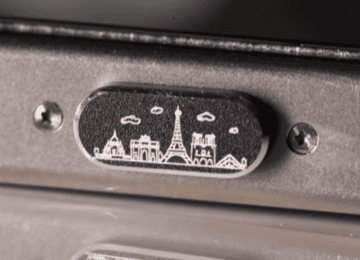
Connectors, terminals, switches, and relays can be marked with part numbers, polarity symbols, logos, serial numbers, and other identification. Laser marking is especially useful when the available marking area is small and the text must remain clear and durable.
 |
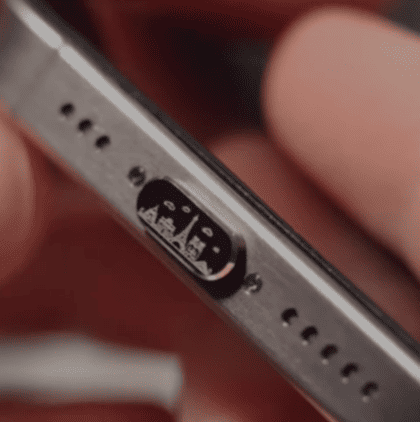 |
ComMarker Omni X 6W UV laser mark anodized aluminum usb plugs
Speed: 200 Frequency: 40 Q-Pulse Width: 5 Line Interval: 0.008
Metal Electronic Components
Aluminum, stainless steel, copper, and other metal components can be laser marked with logos, part numbers, serial numbers, QR codes, and Data Matrix codes. Fiber lasers are commonly used for these applications, while MOPA fiber lasers can provide additional control for fine details and surface effects.
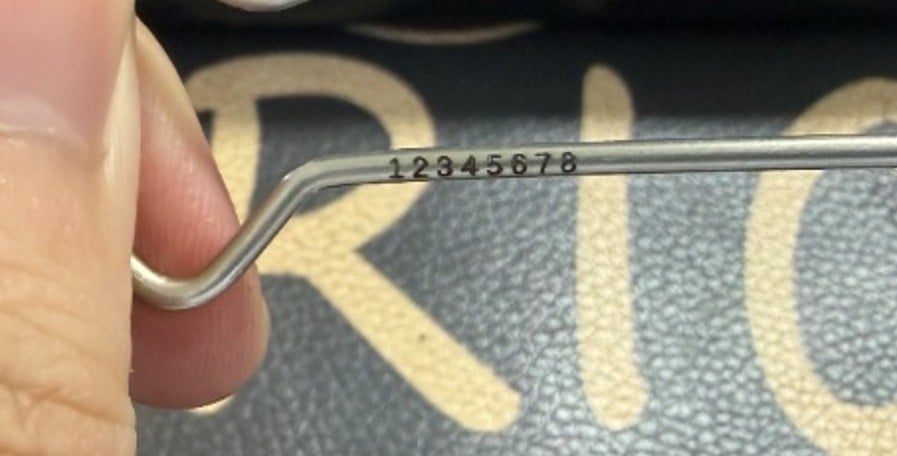
ComMarker B6 MOPA 2.5 mm thin stainless steel wire marking
Speed 1000, Power 75%, Line spacing 0.01, Frequency 30, Pulse 200
Semiconductor Packages and Small Components
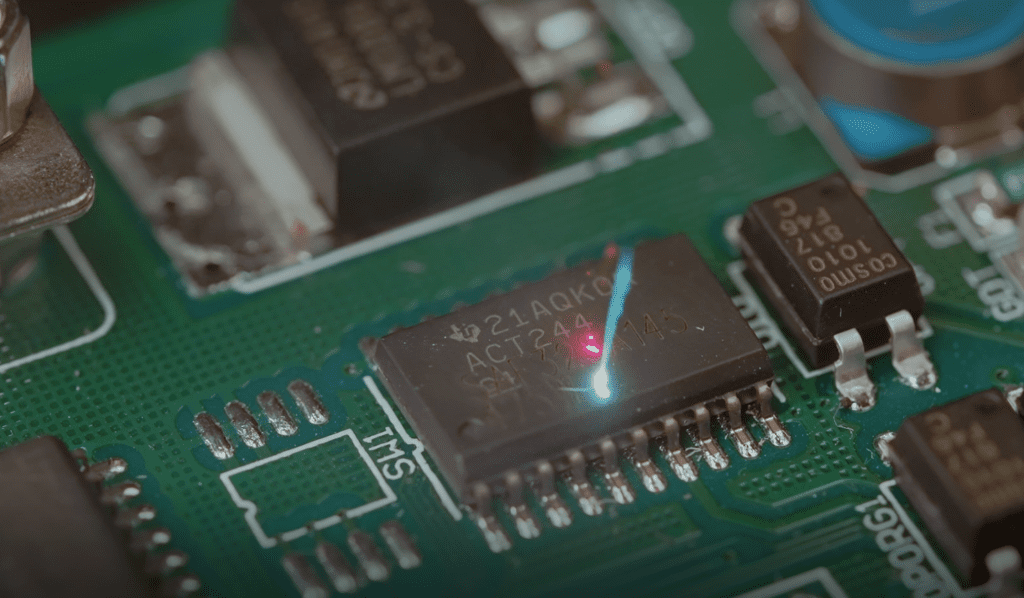
Small electronic components may provide only a few millimeters of usable marking space. Fine laser marking can produce small characters, logos, and machine-readable codes while maintaining consistent positioning and readability.
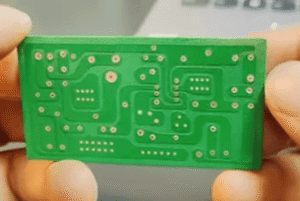
ComMarker B6 Mopa 60W fiber laser PCB laser marking
Speed: 1000 mm/s;Power: 100%;Frequency: 40 kHz;Q‑pulse: 200 ns;Line Spacing: 0.05;Scan Angle: 45°;Number of Passes: 3;Check: Bi‑directional fill & Cross Hatch
For detailed marking, drilling, and cutting setting check: Can a Fiber Laser Engrave PCBs? A Practical Guide for Engrave & Cut
Electrical Panels and Switchgear
Switchgear, circuit breakers, terminal blocks, and electrical enclosures can be marked with identification numbers, warning symbols, logos, and technical information. Permanent laser marking helps maintain readability during cleaning, handling, and long-term use.
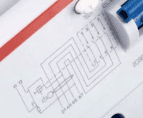
ComMarker Omni X 6W 6W 150mm White ABS Laser Marking
Passes: 1, Speed: 1000 mm/s, Frequency: 40, Pulse: 15, Line spacing: 0.03
Consumer Electronics and Small Appliances
Laser marking is also suitable for products such as earbuds, chargers, electric shavers, electric toothbrushes, remote controls, and small appliance housings. Applications include logos, model numbers, serial numbers, certification information, and decorative markings. For these products, appearance is particularly important, so laser parameters must be optimized to avoid excessive heat, discoloration, or surface deformation.
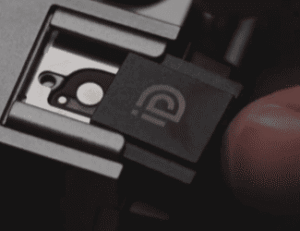
ComMarker Omni X 6W UV laser mark anodized metal camera covers
Speed: 400 Frequency: 40 Q-Pulse Width: 1 Line Interval: 0.02
How to Choose the Best Laser Marking Machine for Electrical and Electronic Components
Choosing a laser marking machine for electrical and electronic components depends less on the product name and more on the material, marking precision, required effect, part geometry, and production volume. The same electronic component category can require completely different laser solutions depending on its surface and marking requirements.
What Do You Need to Mark?
Whether you need to identify a small component or add branding to a finished electronic product, laser marking can handle a wide range of marking requirements including:
• Part Numbers & Model Numbers — Mark permanent identification on components, housings, connectors, switches, and machined parts.
• Serial Numbers & Batch Codes — Add unique IDs for production tracking, quality control, and after-sales service.
• QR Codes & Data Matrix Codes — Fit machine-readable codes into limited marking areas for traceability and product information.
• Logos & Branding — Add company logos or product branding directly to metal components, housings, switches, and consumer electronics.
• Technical & Compliance Information — Mark ratings, symbols, specifications, warning signs, and other required information.
• Fine Text & Micro Marking — Mark small characters, detailed graphics, or compact codes where available space is limited.
• Decorative Marking — Create clean, high-contrast logos and patterns on visible surfaces of electronic products and small appliances.
Desktop Laser Marking Machines for Small-Batch Electronics and Components
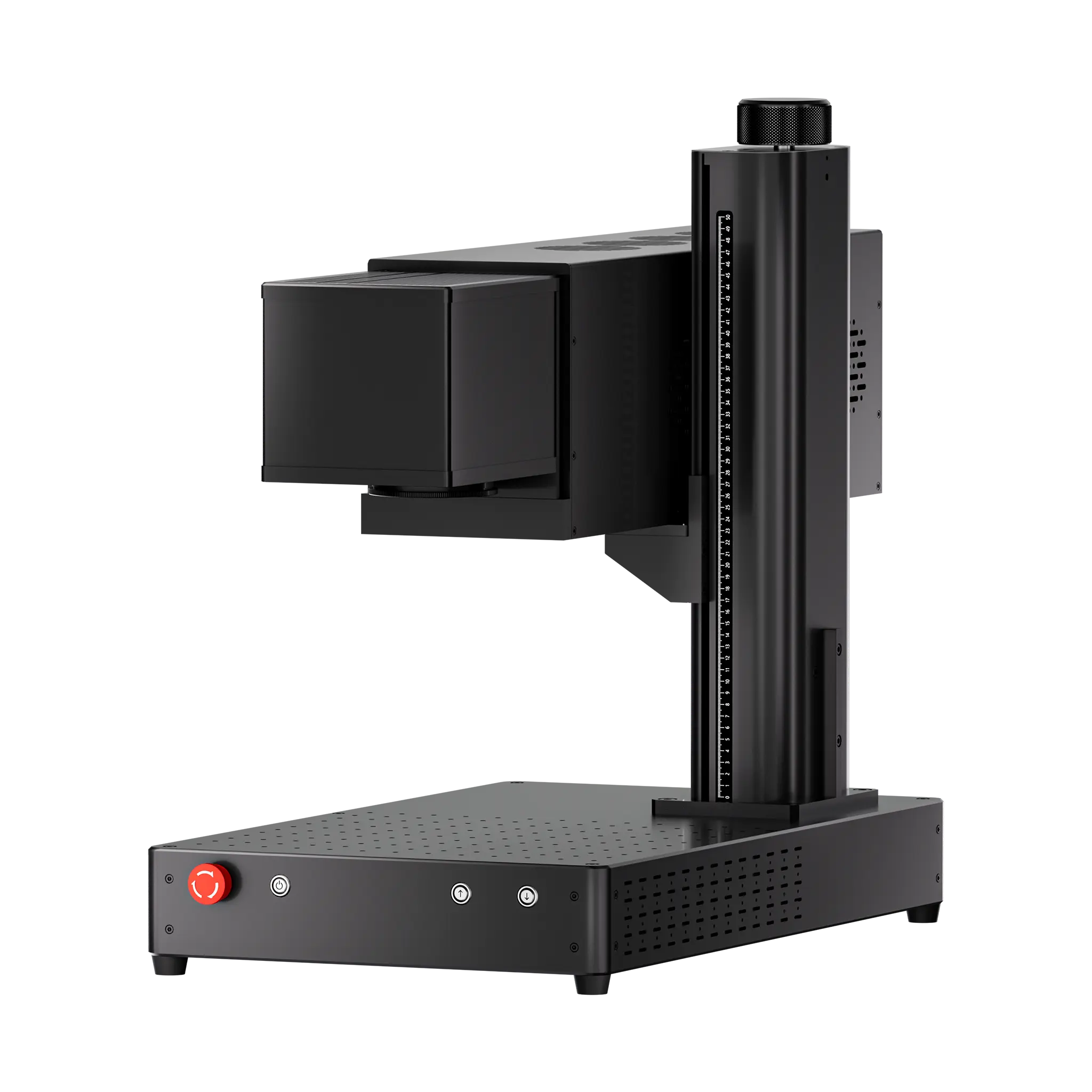
For manufacturers just starting out, testing a new business, or operating at a smaller scale with frequently changing orders, a desktop laser engraver offers a flexible and space-efficient way to bring laser marking in-house.
Compared with large laser marking systems designed for continuous production lines, desktop systems take up less space and are easier to set up, move, and switch between different jobs.
They can be used for batch processing of part numbers, logos, serial numbers, and other identification marks.
What Should You Consider Before Choosing a Component Laser Marking Machine?
Material: Start with the material you need to mark.
As a UV laser, the ComMarker Omni X offers a broad processing range across 1,500+ materials, making it a versatile choice for plastics, PCB-related materials, coatings, and other sensitive or difficult-to-mark substrates.
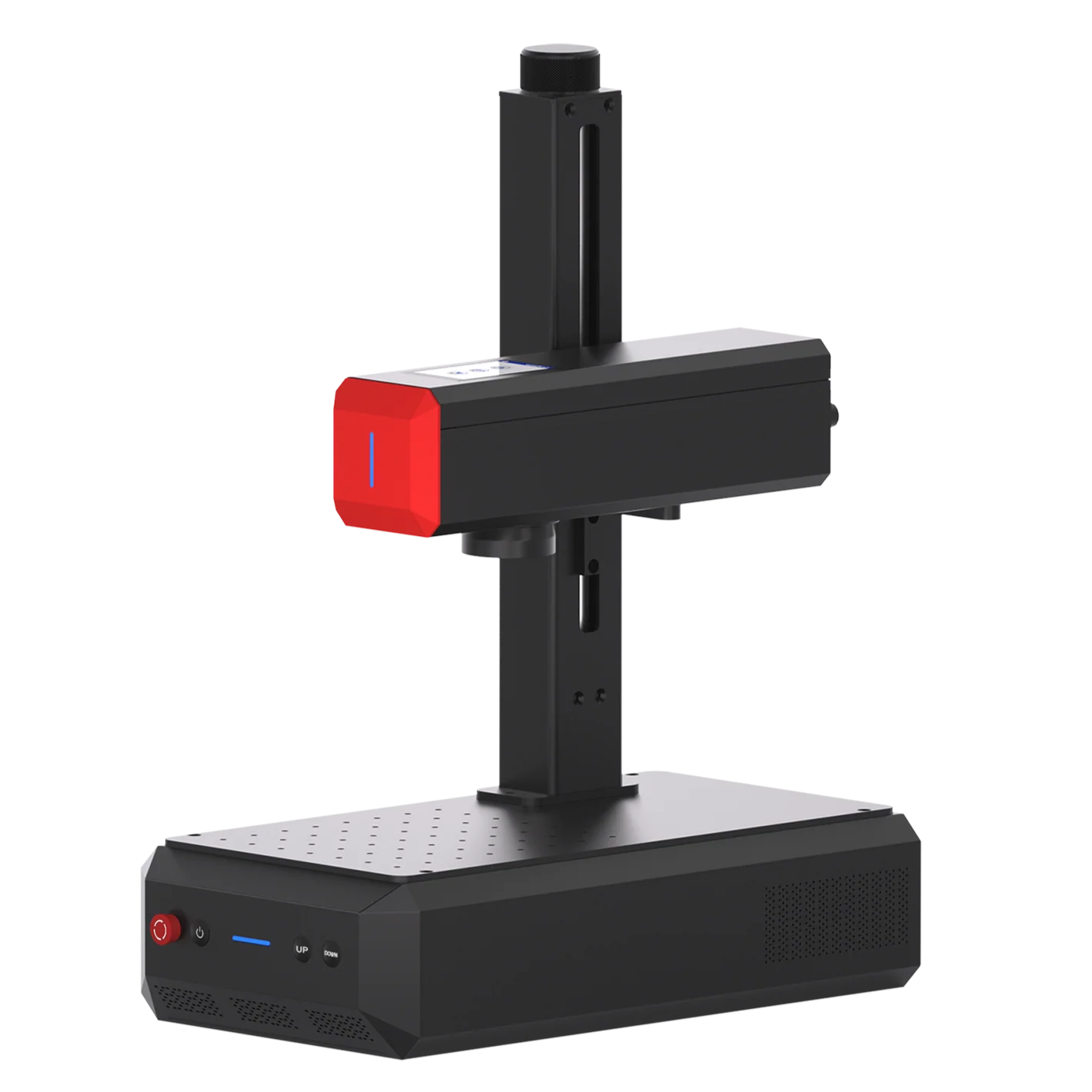
For stainless steel, aluminum, carbon steel, tool steel, and other metals, the ComMarker B6 MOPA is the metal marking specialist, delivering fast, precise, and durable marks across different metal applications.
Marking Precision: Consider the laser spot size when you need fine text, micro logos, or detailed patterns.
A smaller laser spot concentrates energy into a smaller area, helping produce finer details.
In practice, the achievable minimum marking size also depends on the material, laser parameters, optics, and design.
|
Machine |
Laser Type |
Spot Size |
Real Testing Result on Anodized Aluminum |
Result Minimum Marking Size |
|
ComMarker Omni X |
UV |
0.0019 mm |
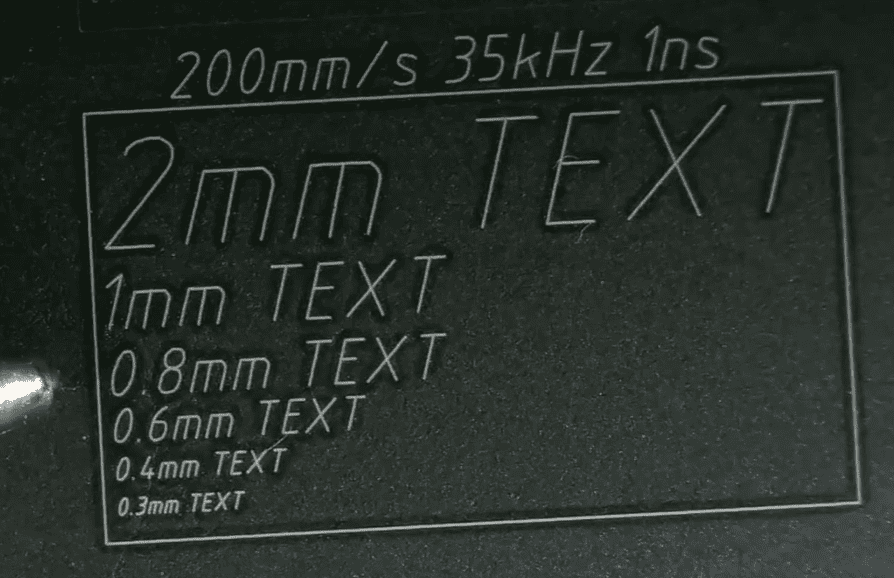 |
Below 0.3mm |
|
ComMarker COX |
CO₂ |
0.005 mm |
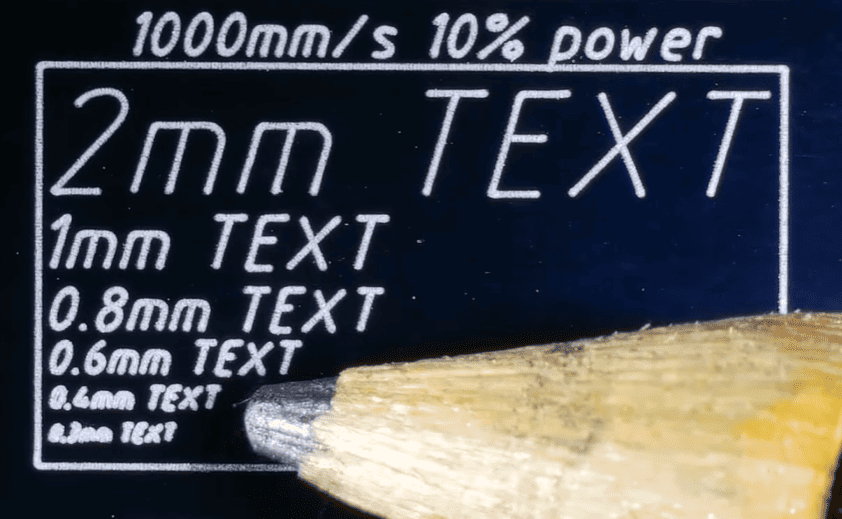 |
Around 0.5mm |
|
ComMarker B6 MOPA |
MOPA Fiber |
0.01 mm |
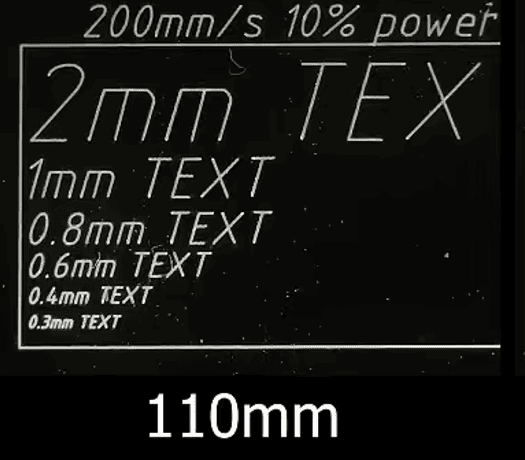 |
Around 0.3 mm |
Marking effect: How do you want the finished mark to look?
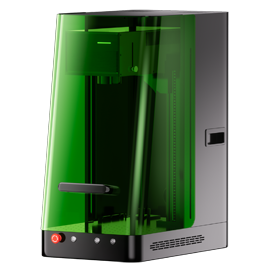
If you need clean, high-precision marking, choose the ComMarker Omni X UV laser. UV lasers use a shorter wavelength and can process materials with minimal thermal impact, making them well suited for fine details and heat-sensitive surfaces.
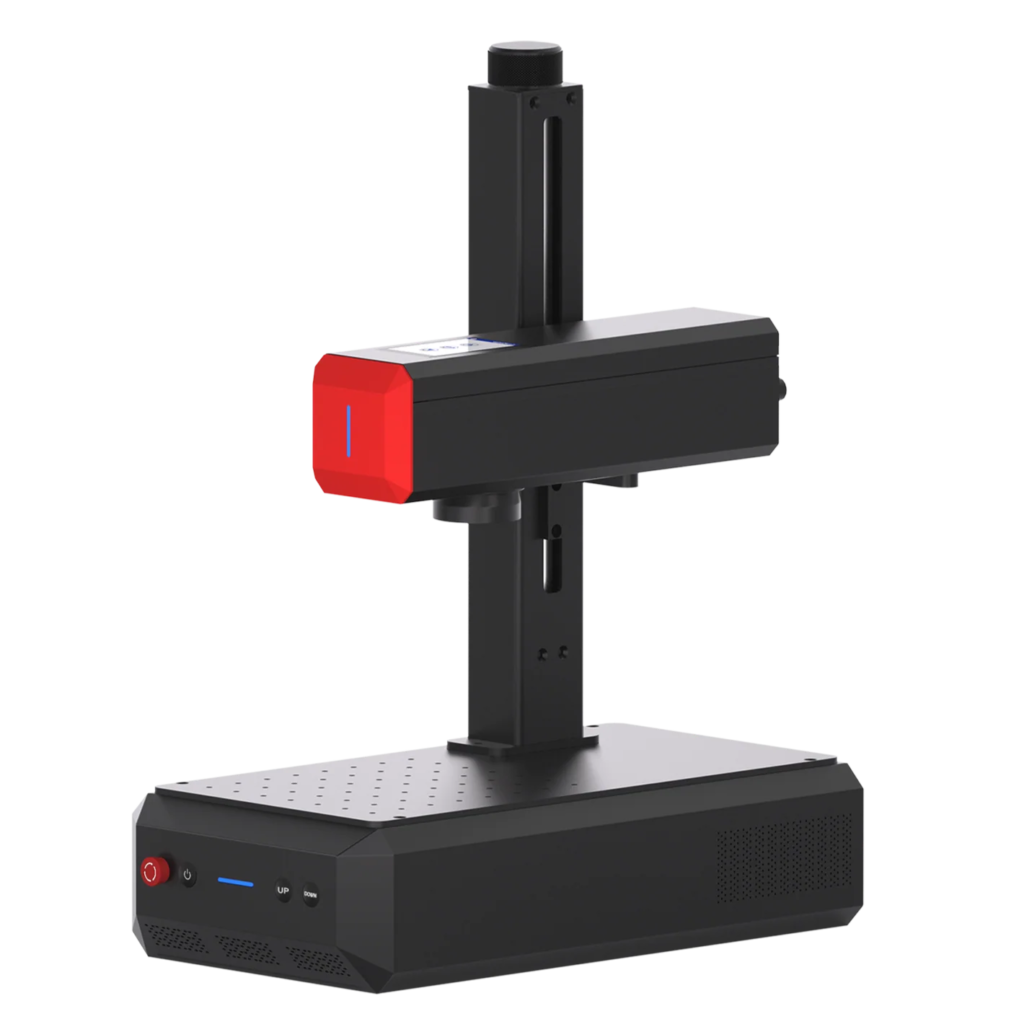
If you need fast, permanent metal marking or color engraving on suitable metals, the ComMarker B6 MOPA is the stronger option. Fiber lasers have a high absorption rate on metals, while MOPA technology provides greater control over the marking process and enables color marking on suitable metal surfaces.
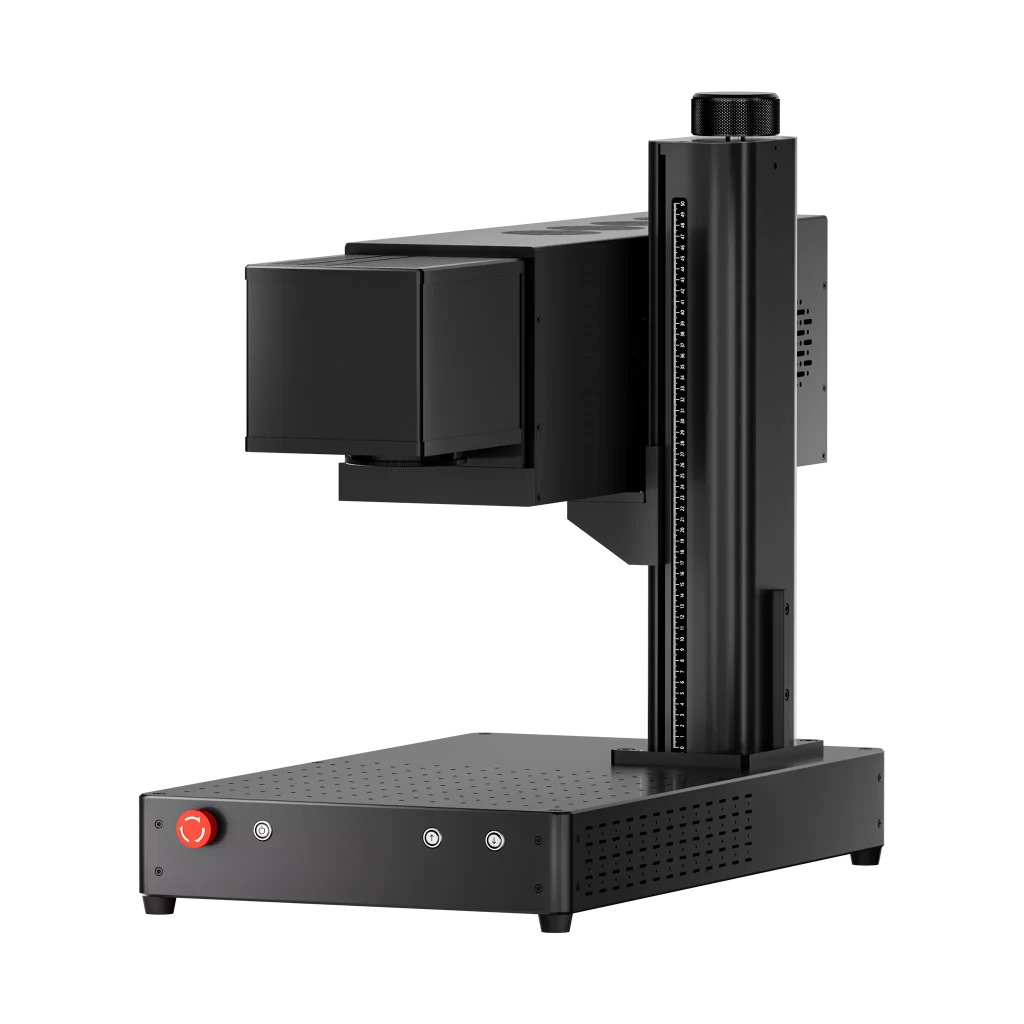
For fast marking on non-metal materials where extreme precision is not the priority, the ComMarker COX CO₂ laser is a practical choice.
Part geometry: Is your component flat or curved?
If your component is flat or has only a small height variation (around 6 mm,etc), standard laser marking is generally sufficient.
For cylindrical or round components, ComMarker laser systems can be equipped with the R5 rotary attachment, supporting a wide range of shapes and sizes, including spheres from 25–120 mm and rings from 4–80 mm.
For components with larger or irregular height variations, consider a laser system with 3D curved-surface marking.
Quick Decision: Compare ComMarker Laser Marking Machines
|
What Matters Most |
ComMarker Omni X |
ComMarker B6 MOPA |
ComMarker COX |
|
Recommended for |
Fine marking on sensitive materials |
Fast, precise metal marking |
Fast non-metal marking |
|
Typical Application |
Plastic housings, PCB-related materials, Fine 2D codes |
Stainless steel connectors, Aluminum housings, carbon steel, tool steel, other metals |
Large non-metal housings |
|
Marking precision |
★★★★★ |
★★★★☆ |
★★★☆☆ |
|
|
|
|
|
Final Thoughts
Laser marking for electrical and electronic components covers a wide range of applications, from fine identification on small components to logos, serial numbers, and codes on finished products. The right laser ultimately depends on the material, marking precision, surface geometry, and production requirements.
For fine marking and heat-sensitive materials, the ComMarker Omni X offers high precision with minimal thermal impact. For fast, precise marking on metal components, the ComMarker B6 MOPA is a strong choice, especially when color marking is required. For fast marking on suitable non-metal materials, the ComMarker COX provides an efficient solution.
If you are looking for a laser marking machine for electrical or electronic components, explore the ComMarker laser marking machines to find the right fit for your application.