CO2 and UV lasers may appear similar in function and material capability. But their working principles, material behavior, and applications are quite different. In this guide, we will compare the performance of these two machines, so you can get the most out of your budget.
Core Difference Between CO2 and UV Lasers
CO2 Laser Engravers
CO2 laser engravers often use a long wavelength of 10600 nm and operate primarily through thermal absorption. When the laser beam hits a material, the heat causes the surface to melt, burn, or vaporize.
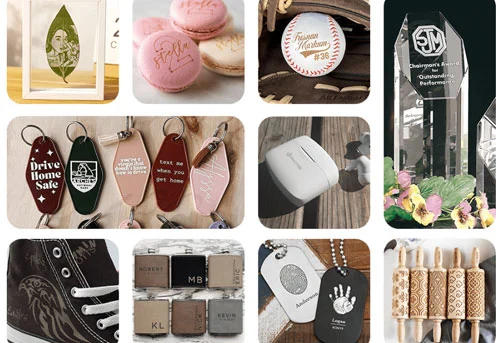
CO2 laser engravers are especially effective at processing organic materials and non-metals.
UV Laser Engravers
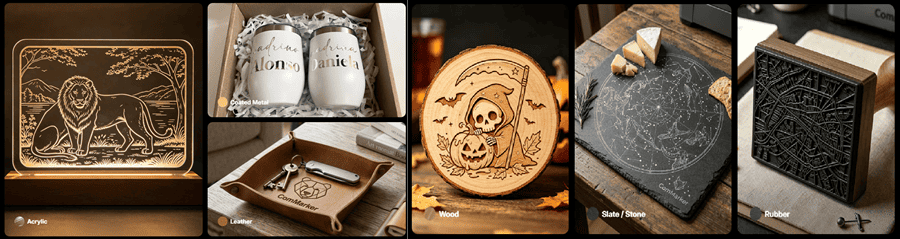
A UV laser engraver operates at a much shorter wavelength of around 355 nm. They use a photochemical process, breaking molecular bonds directly with minimal thermal impact on the surrounding area.
UV laser engravers offer extremely fine precision and can be used on a wide range of materials, including organic materials, metals, and more.
Laser Engraver Feature Comparison
The differences between CO2 and UV laser is reflected in the performance of laser engraving machines in terms of speed, material compatibility, precision, and cost.
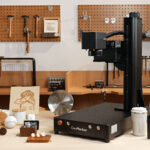
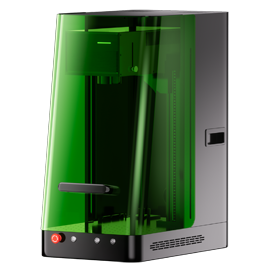
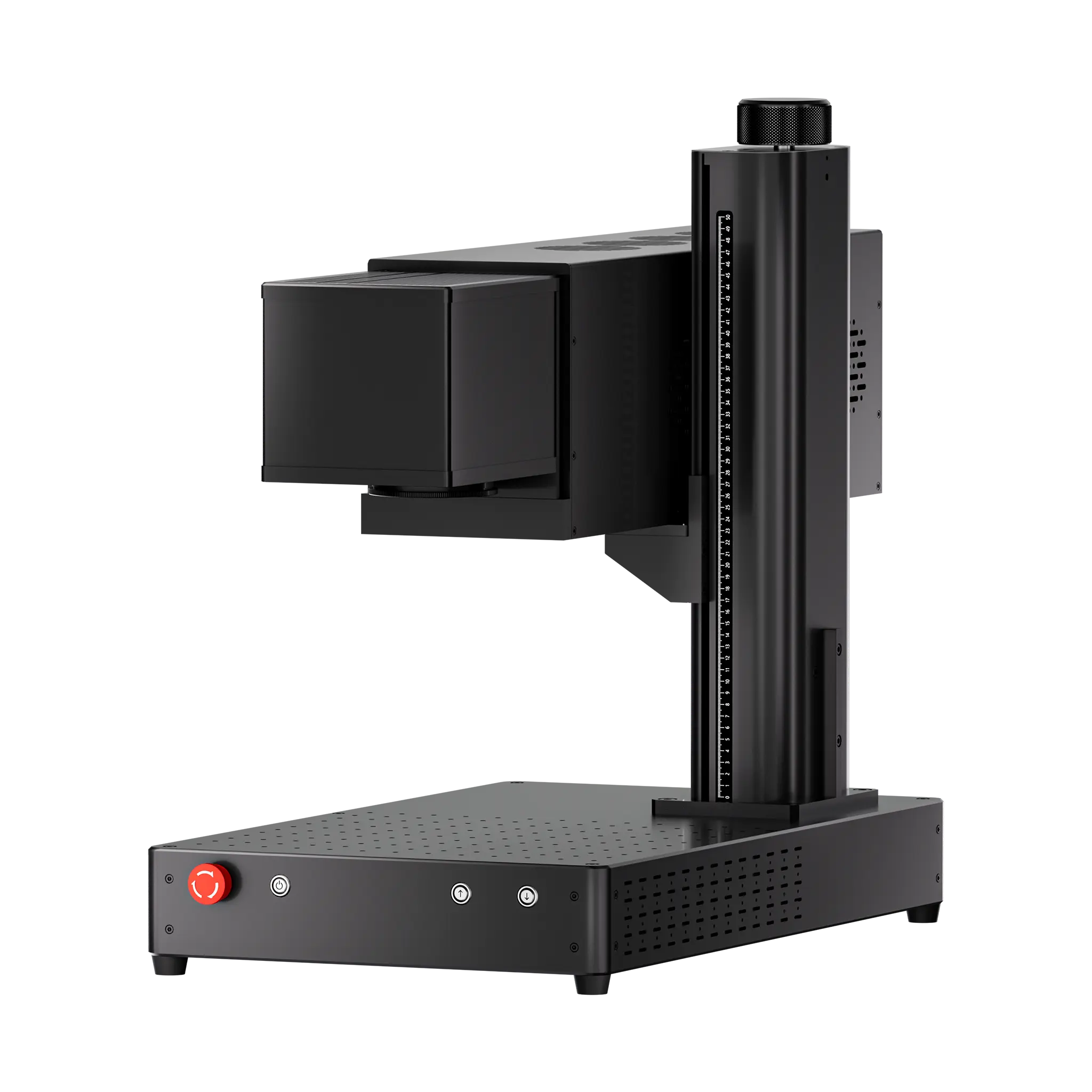
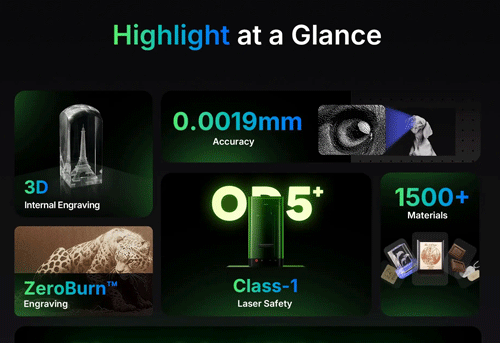
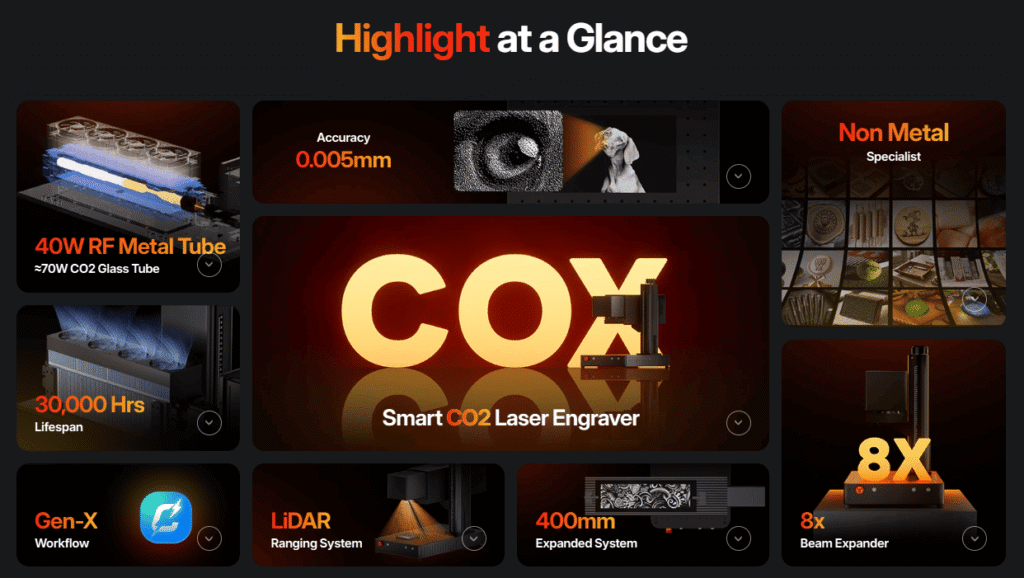
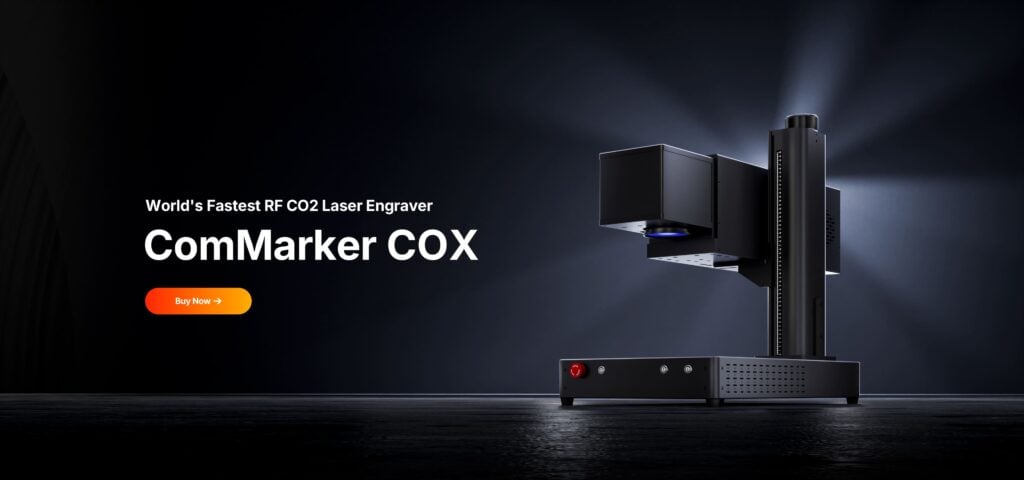
Using the ComMarker Omni X UV laser engraver and the ComMarker COX CO2 laser engraver as examples for comparison, both of which are desktop galvo laser engravers, the differences become clearer.
Speed and Production Efficiency
The Omni X reaches 10,000 mm/s, while the ComMarker COX operates at 15,000 mm/s. Meanwhile, CO2 lasers usually offer higher wattage output, allowing them to cut materials faster and deeper.
Precision and Detail Quality
The Omni X offers a precision of 0.0019 mm, while the COX offers 0.005 mm.
However, CO2 lasers are affected by thermal diffusion, which can cause slight edge burning and limit detail performance. UV lasers produce much sharper lines and finer details, especially at very small scales.
Heat Impact on Materials
CO2 lasers generate more heat during processing, which may cause burning or melting without careful parameter fine tuning. UV lasers produce minimal heat buildup, making them suitable for heat-sensitive materials and premium finishes.
Cost and Lifespan
CO2 laser systems are generally more affordable and accessible, while UV laser systems are more expensive due to their specialized laser source and precision optical components.
There is also a major difference between glass tube and RF metal tube CO2 lasers. Glass tube CO2 lasers are lower in cost, but their power output becomes less stable overtime and their lifespan is relatively short. RF metal tube CO2 lasers provide more stable performance, faster response speed, finer engraving quality, and much longer service life.
The ComMarker COX uses an RF metal tube with a lifespan of up to 30,000 hours. UV lasers generate ultraviolet light through nonlinear crystals. These crystals gradually degrade during operation, giving UV systems a shorter lifespan than RF metal tube CO2 lasers.
Typical lifespan comparison:
Glass Tube CO2 < UV Laser < RF Metal Tube CO2
Material Compatibility and Performance Comparison
The properties of CO2 and UV laser engravers lead to different performance across materials.
Both Can Handle
Wood
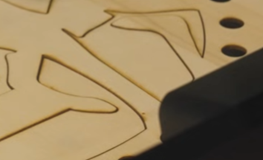
CO2 laser engravers are better for thick wood cutting for furnishing, layered signs, and large wood projects. They cut faster and deeper but usually leave darker burn marks.
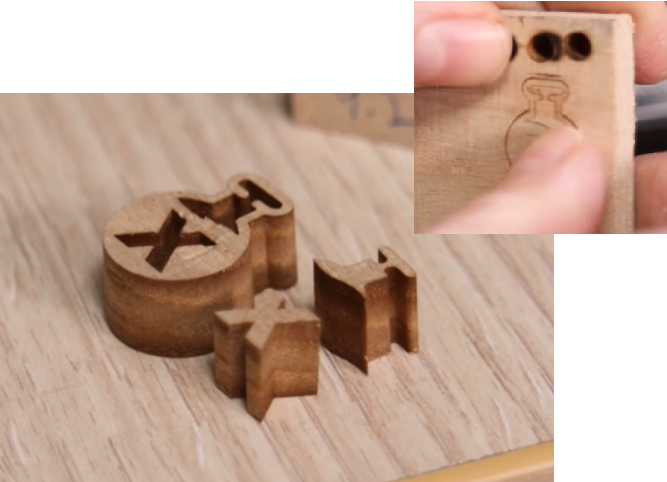
UV laser engravers produce cleaner and sharper laser engraving on wood, making them better for puzzles, miniature crafts, and detailed decorative work.
For example, CO2 laser can cut wood up to 25 mm (40W), while UV can cut up to 9 mm (12W).
| UV Laser Engraver | CO2 Laser engraver |
 |
 |
Acrylic & Plastics
Acrylic
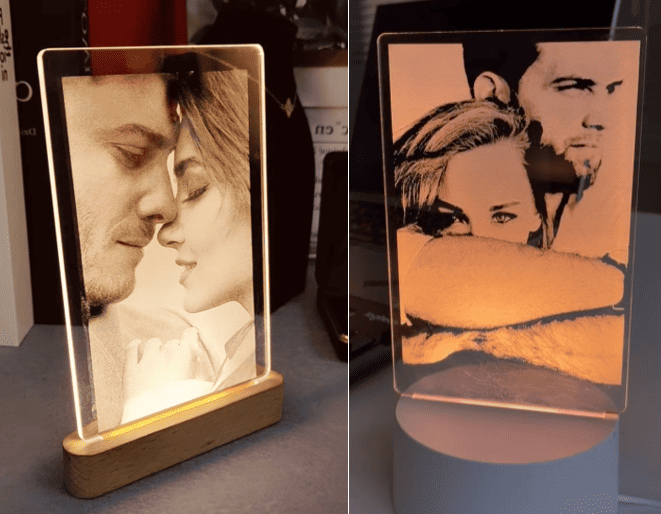
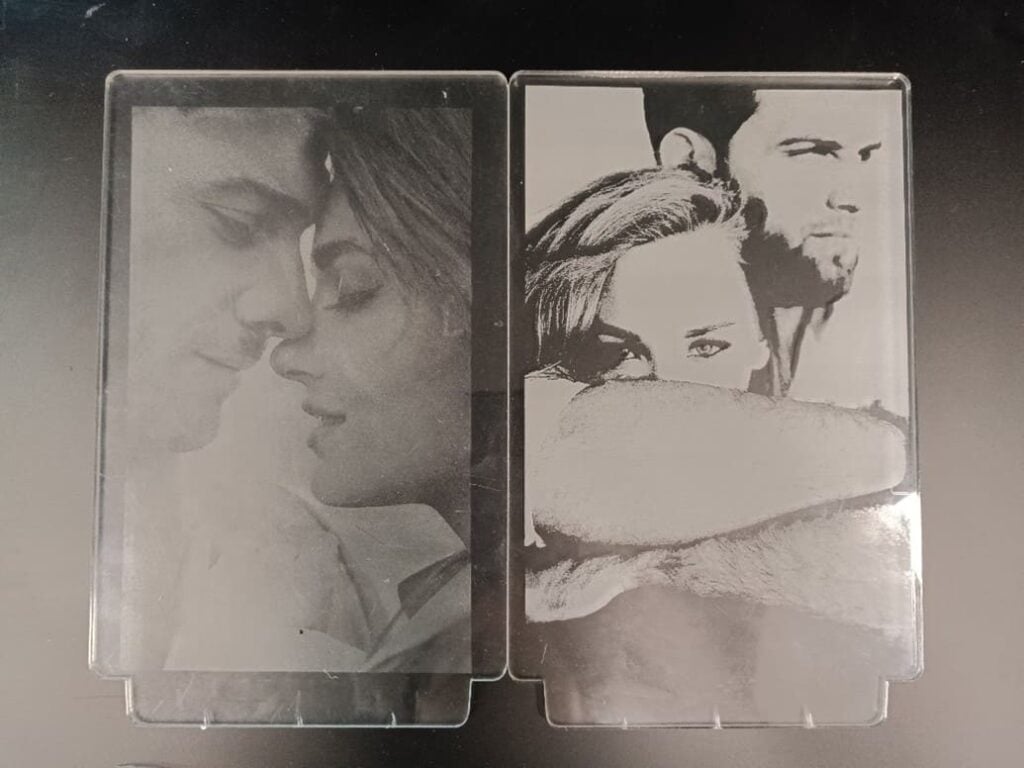
CO2 laser engravers are ideal for cutting transparent acrylic, acrylic signs, and display products. They are faster and more practical for thick acrylic production.
UV laser engravers are better for high-detail acrylic surface engraving but are not suitable for transparent acrylic cutting.
| UV Laser Engraver | CO2 Laser Engraver |
 |
|
 |
|
Plastic
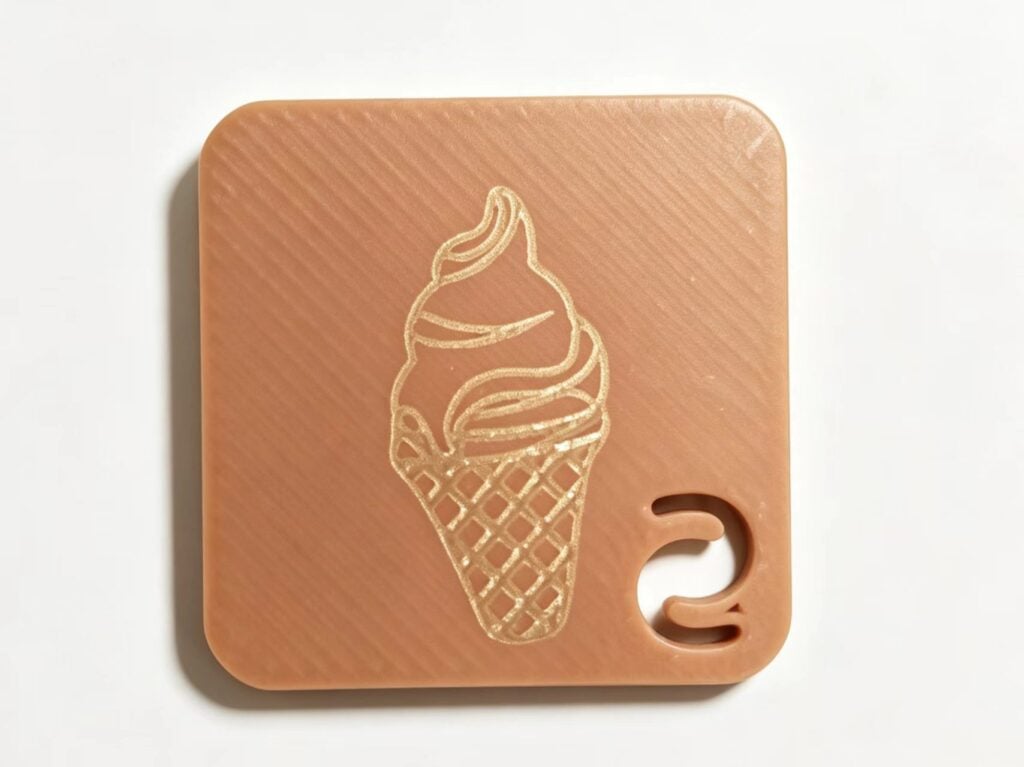
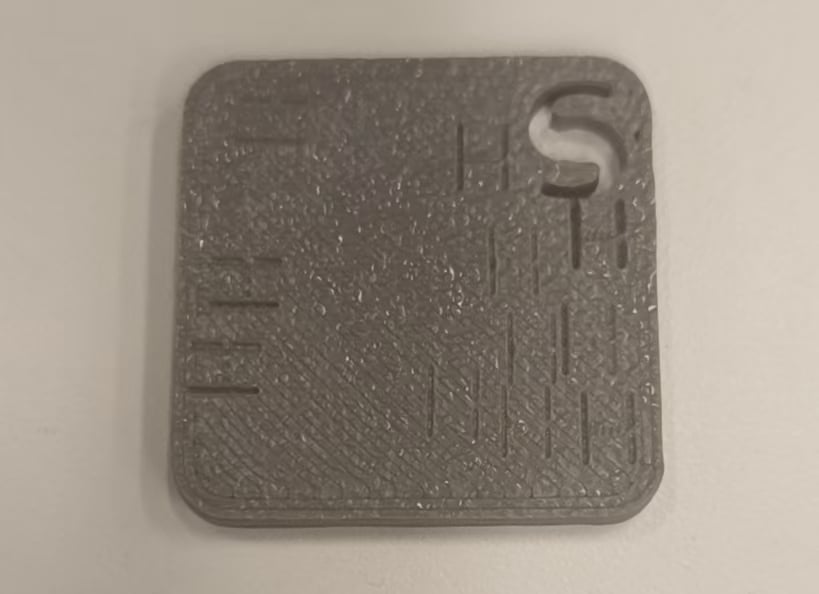
CO2 laser engravers can engrave some plastics, but thermal melting often reduces edge quality and marking clarity. They create groves instead of foaming or carbonize plastic for clear marking.
UV laser engravers create high-contrast laser markings on plastics with clean edges and better precision, which can be used for electronics, labels, and industrial marking.
| UV Laser Engraver | CO2 Laser engraver |
 |
 |
Leather
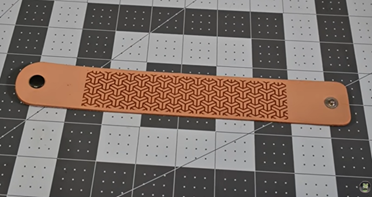
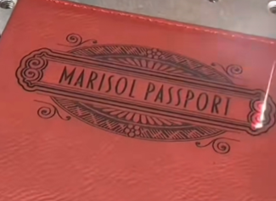
CO2 laser engravers are commonly used for wallets, patches, and batch leather production because they engrave quickly and deeply.
UV laser engravers create cleaner and more refined details, making them better for premium leather customization.
| UV Laser Engraver | CO2 Laser engraver |
 |
 |
Glass
This is one of the biggest differences between the two technologies.
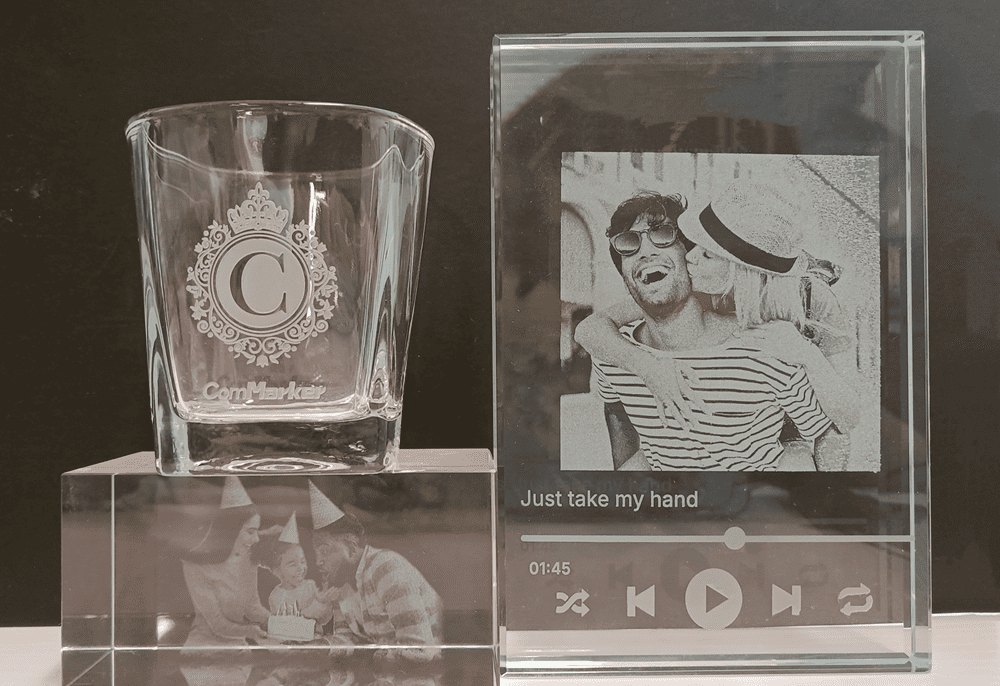
CO2 laser engravers can create frosted glass surface engraving but with limited detail quality.
| UV Laser Engraver | CO2 Laser engraver |
 |
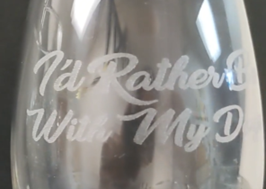 |
* When using a CO2 laser engraver on glass, applying a layer of dishwashing liquid can help reduce cracking and improve engraving quality.
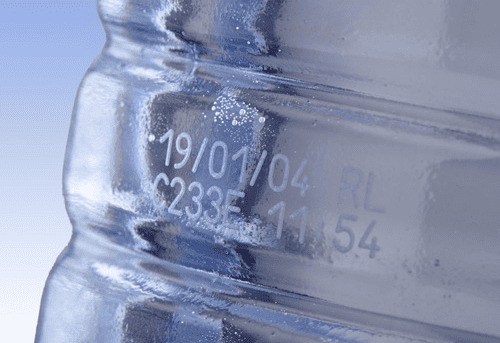
UV laser engravers are the better choice for laser engrave glass because they support fine surface engraving, subsurface crystal engraving, and cleaner detail.
Tumblers
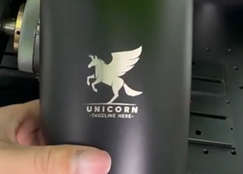
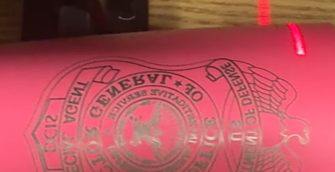
CO2 laser engravers are faster for tumbler engraving and better suited for bulk production and branding. They can remove thick coatings cleanly without damaging the underlying metal surface.
UV laser engravers produce finer detail with thinner lines, and cleaner surface for premium personalized tumblers.
| UV Laser Engraver | CO2 Laser engraver |
 |
 |
Materials Each Laser Can Handle on Its Own
CO2 laser engravers are the better choice for transparent acrylic cutting and thick wood cutting.
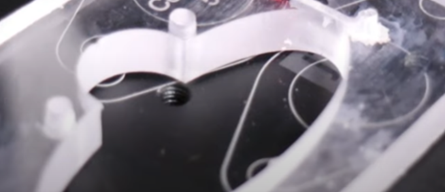
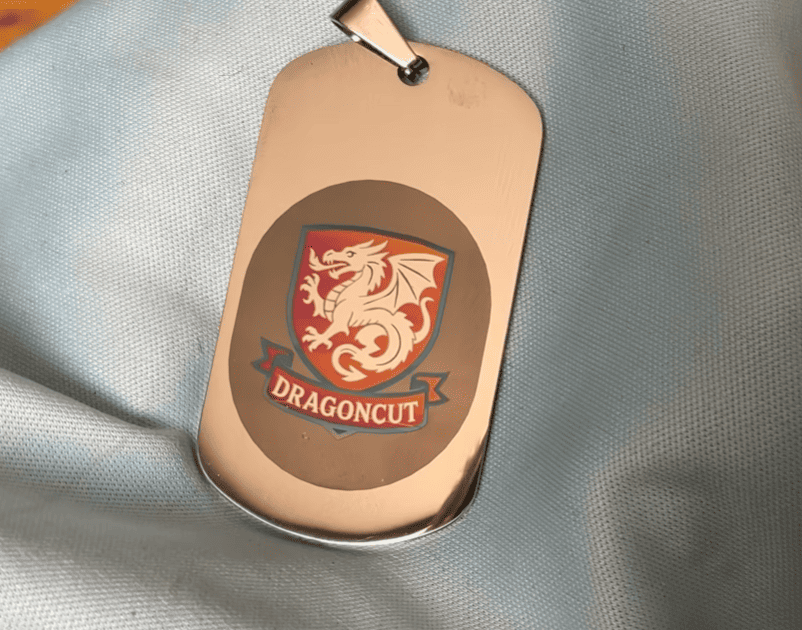
UV lasers can engrave bare metals and even produce color marking. A CO2 laser uses infrared light at 10600 nm, and most metals reflect this wavelength instead of absorbing it.
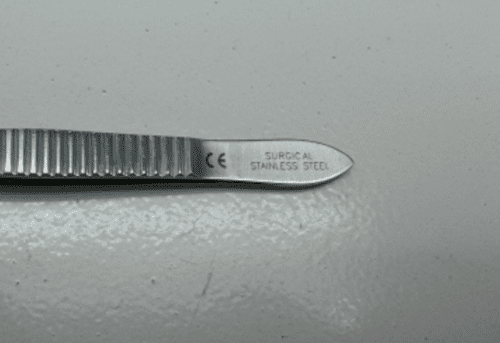
UV lasers can produce ultra-fine micro engraving such as text, QR codes, and high-density serial numbers at micro-level precision, which CO2 lasers cannot achieve due to their larger spot size and thermal diffusion.
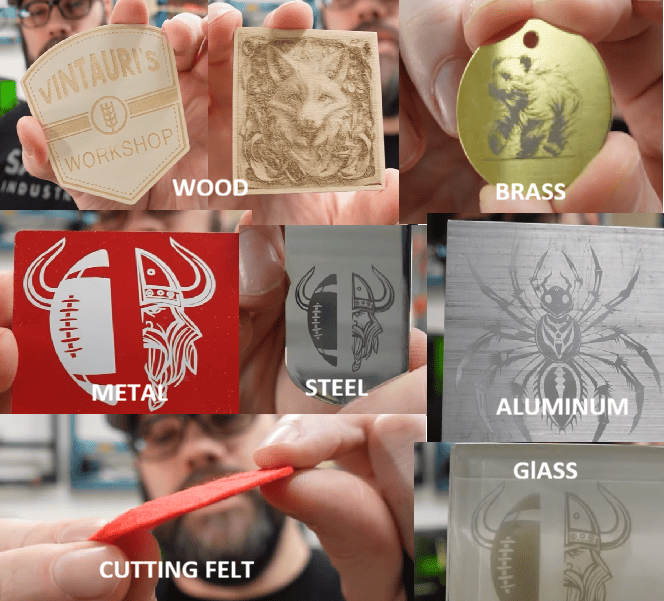
Final Recommendation
Overall, the choice between CO2 and UV laser engravers comes down to what material you hope to handle and how well you want it to be engraved.
Choose a CO2 laser engraver if your work focuses on cutting, speed, and batch production. It is better for acrylic signs, thick wood cutting, leather goods, and non-metal projects.
Choose a UV laser engraver if your work focuses on precision and premium engraving quality. It is better for glass engraving, metal marking, plastics, QR codes, jewelry, and ultra-fine detail work.
 |
 |